Guides
Can you ferment frozen vegetables? What changes
Ferment frozen vegetables only after you check how they were blanched and frozen. Freezing softens cell walls, so texture, starter culture and timing all change.
What to take away
- Yes, you can ferment frozen vegetables, but they arrive softer and wetter than fresh ones, so expect a shorter, softer cure.
- Most vegetables are blanched before freezing, which reduces the native microbes on the surface. Plan on adding a starter.
- Use plain frozen vegetables with one ingredient. Salt, butter sauces and seasonings change the brine and the result.
- Keep the salt level from your fresh recipe, and check the finished ferment's pH rather than guessing from taste.
- Store bags at 0 F (-18 C) or below, thaw them in the refrigerator, and use them promptly once thawed.
What freezing does to a vegetable
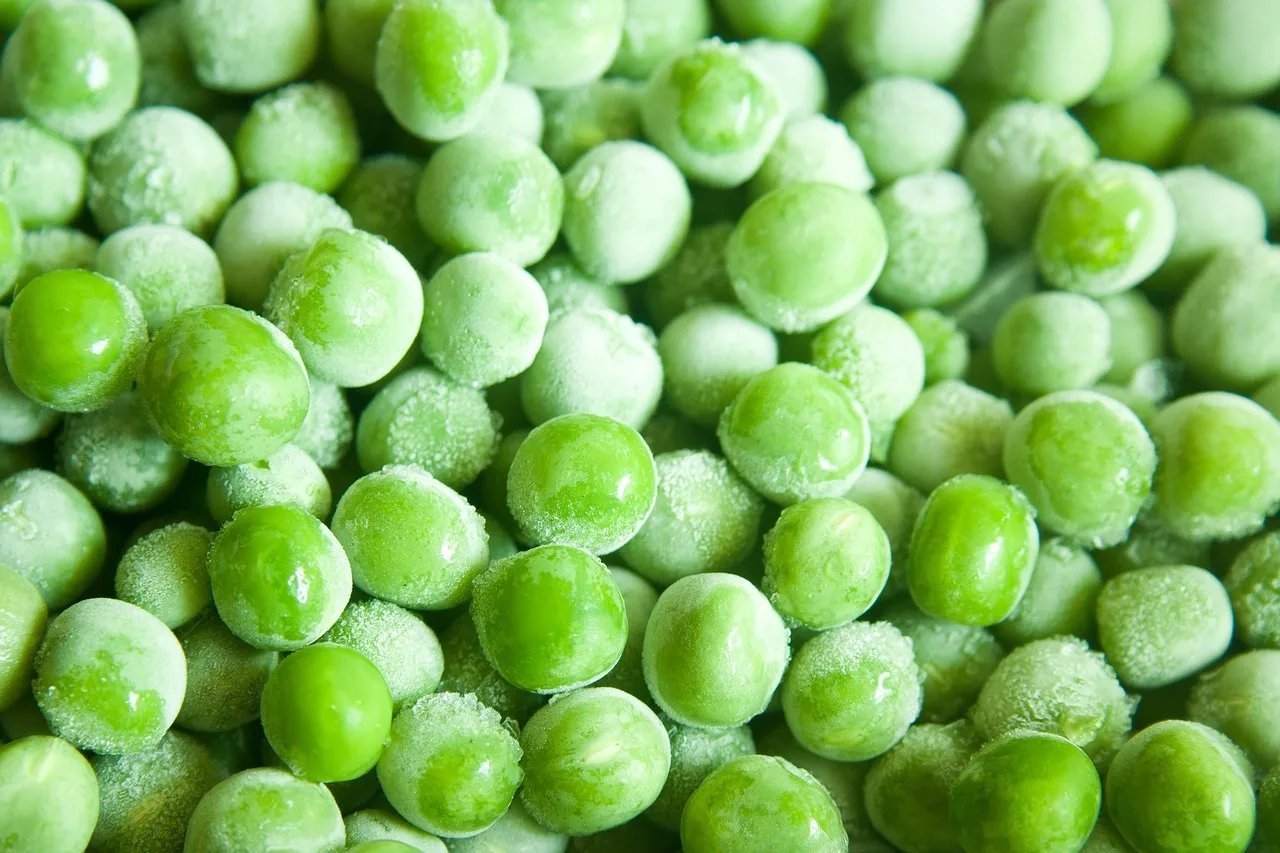
Freezing turns the water inside plant cells into ice. Ice crystals puncture the cell walls, and when the vegetable thaws the walls no longer hold their shape. A thawed carrot or pepper releases water into the brine and loses the crunch that fresh produce keeps.
Freezing changes vegetable structure
Fresh vegetable
- Cell walls
- Intact
- Shape
- Holds
- Water
- Stays inside
- Texture
- Snap
- Sugars and LAB
- Present
Thawed frozen vegetable
- Cell walls
- Punctured by ice
- Shape
- Collapses
- Water
- Leaks into brine
- Texture
- Soft
- Sugars and LAB
- Still present
Faster freezing forms smaller ice crystals and does less damage, but it does not prevent damage. The result is a vegetable that ferments quickly and softens faster than fresh produce does.
Blanching changes the starter decision
Most vegetables are blanched, a short dip in boiling water, before freezing. Blanching inactivates the enzymes that would otherwise degrade colour and flavour during storage. It also reduces the native microbes on the vegetable, including some of the lactic acid bacteria that start a ferment on fresh produce.
For that reason, do not assume a frozen vegetable will start fermenting on its own. Add a starter. A spoonful of unpasteurized brine from a healthy ferment, or a commercial starter culture used as its maker directs, can give the ferment a start. Taste and smell tell you whether it is moving, but the pH test is what tells you it is safe.
What to look for in the freezer aisle
The ingredient list is the first decision. A bag that reads "broccoli" is usable. A bag that reads "broccoli, salt, butter flavor" is not, because you cannot control the added salt, and dairy adds fat that turns rancid in a warm jar.
Ask these questions of the bag:
- Is the vegetable plain, or does the label list salt, oil, sugar or sauce?
- Is it individually quick frozen (IQF), or frozen into a solid block?
- Does the label say "thaw and serve" or "ready to cook"? Both can ferment, but the second is often blanched more heavily.
- What is the pack date, and how long has it sat in the case?
- Is there a solid ice sheet inside the bag?
Heavy frost or a solid ice sheet means the bag has thawed and refrozen at some point. That vegetable will be mushy before you start.
IQF pieces and solid blocks
IQF means each piece is frozen separately, so the pieces stay loose in the bag. You can measure out what you need, and the pieces drain. A solid block holds water against the vegetable and thaws unevenly, which makes the ferment harder to control.
A label does not give the blanch time, the freezing temperature or the pack age. Those variables affect how active the ferment will be, so a loose IQF bag with a known pack date is the easier starting point.
Storing what you buy
Keep frozen bags at 0 F (-18 C) or below. A freezer without a thermometer is a guess, so check the setting. At a warmer temperature, ice crystals grow and recrystallise, and texture degrades over months even though the bag never fully thaws.
Thaw in the refrigerator, not on the counter. Drain the vegetable well, then weigh it. Once thawed, use it promptly, because bacteria can multiply once food warms above 40 F (4 C). Refreezing a thawed bag destroys what structure is left. For storage rules for the jar itself, see small batch fermenting storage.
Salt and acidity
Keep the salt level from your fresh recipe, measured by the drained weight of the vegetable. Do not cut salt below that level on the assumption that frozen vegetables need less, because salt is part of what keeps the ferment stable.
Check the finished ferment's pH. The common safety threshold for acidified ferments is a pH of 4.6 or lower, and a pH meter or test strips can confirm it. Taste alone cannot tell you the ferment is safe. If the finished ferment does not reach a pH of 4.6 or lower, do not eat it.
Illustrative example: a winter pepper mash
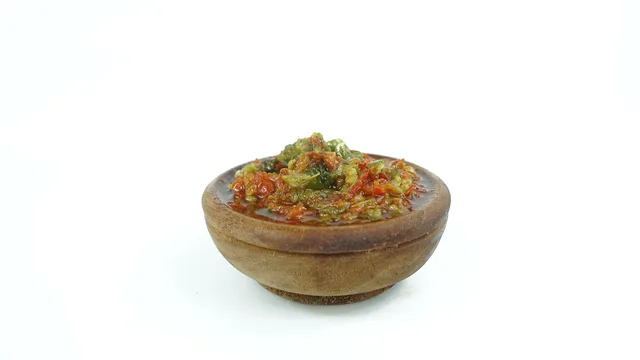
Illustrative example, not a recorded batch: a home cook wants a fermented pepper mash in January, when fresh peppers are thin on the shelf. A frozen bag with one ingredient and loose pieces is a good candidate.
The cook thaws the peppers in the refrigerator overnight, drains them well and weighs them. The salt is set from the fresh recipe, and a starter is added as its maker directs. The ferment is tasted and tested for pH on a set schedule, and the cook keeps the jar cool so the texture does not collapse faster than the flavour develops.
Frozen peppers and seasonal planning
Frozen peppers and pearl onions are often available when fresh ones are not. That is the practical case for using them. For planning a year of ferments around the seasons, see fermenting with Canadian seasons, a month-by-month guide.




![500px provided description: Canning [#jar ,#tomatoes ,#canning]. Tomato Canning Jar Labels: What to Record and Why](/covers/what-labels-can-tell-you-about-home-ferment-case-studies-640.webp?v=73619010)