Industry
Home-canned meat and fresh fish: safety basics for kitchens
Pressure canning, a 10-minute boil before tasting, fish on ice within two hours: the meat and fish basics that keep a home or service kitchen safe.

Section
Industry
Pressure canning, a 10-minute boil before tasting, fish on ice within two hours: the meat and fish basics that keep a home or service kitchen safe.
Industry
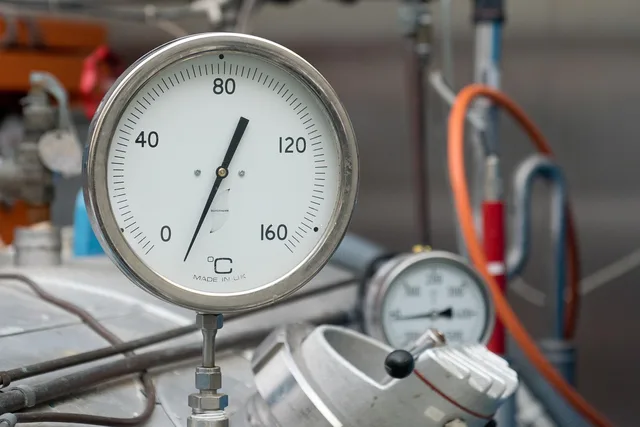
Five fermentation tool makers earn their place by function and spare parts, not by claims, and the one third-party check that exists is a canner gauge test.
Industry
The surveillance record is the closest thing to case studies this subject has. What US and international data say about who gets sick and from what.
Industry
Cross-border fermentation supplies Canada US shipping means CBSA and CFIA rules, customs declarations, duty thresholds and packing that keeps live cultures viable.
Industry
CFIA fermented food rules Canada come down to three documents: the licence application, the preventive control plan and traceability records, plus labelling.
Industry
Cottage food laws fermented foods Canada differ by province: Ontario, Quebec and BC each set their own permits, product limits and sales channels.
Industry
A sourdough starter is a live culture that must be fed. Colorado State University Extension and South Dakota State University Extension give the basics on wild yeast, readiness, temperature and safety.
Industry
Origin stories sell jars. What is genuinely interesting is how these products are actually made, and the decisions a maker cannot advertise their way around.
Industry
Fermentation brands and companies worth watching are judged by what they make and how they manage acidity, storage and shelf life in plain terms.
Industry
How a commercial kitchen catches a bad batch before it ships: professional control of fermented and canned food is about conditions, records.
Industry
A guide for small batch fermenting makers: screen products against the steam canner's 45-minute limit, excluded foods, and recipe-specific controls.
Industry
Home fermentation businesses face different rules depending on whether acidity comes from fermentation or added acid, and whether products stay refrigerated.
Industry
Small weights, one way valve lids and small crocks help home ferments. Acidity, not equipment, decides canning, and tomatoes need added acid.
Industry
Fermentation projects trends: kimchi, kombucha, hot sauce and kvass on the rise, steam-canning guidance under USDA rules, and safety limits that hold.
Industry
Five details from no-brand origin stories that home fermenters miss, from the 1858 Mason shoulder to the wire bail gasket that cannot be reused.
Industry
For fermentation projects, brands are secondary: find tested recipes from USDA or extension sources, then check salt, temperature, and storage.
Industry
Commercial vegetable fermentation is a controlled sequence of bacteria, not a craft mystery. What small makers actually control, and which parts do not scale down.
Industry
Fermentation supplies businesses may need include pH meters, buffers, batch records and testing; home cooks can follow tested recipes and use basic equipment.