


![500px provided description: Canning [#jar ,#tomatoes ,#canning]. Tomato Canning Jar Labels: What to Record and Why](/covers/what-labels-can-tell-you-about-home-ferment-case-studies-640.webp?v=73619010)







Industry
What the documented botulism cases actually show
The surveillance record is the closest thing to case studies this subject has. What US and international data say about who gets sick and from what.

Fermented carrot sticks stay crunchy when salt lands at 2 to 2.5 percent of carrots plus water. A tested ratio guide, cut advice, and the fix when they go soft.
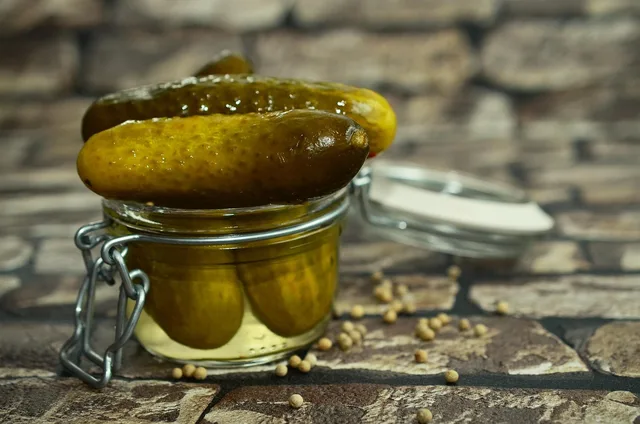
Fermented pickles vs vinegar pickles: where the acid comes from, why a cloudy brine is normal, and which style suits your kitchen and your week.
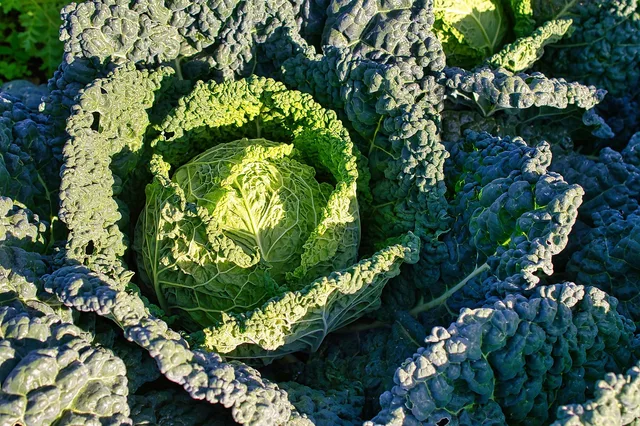
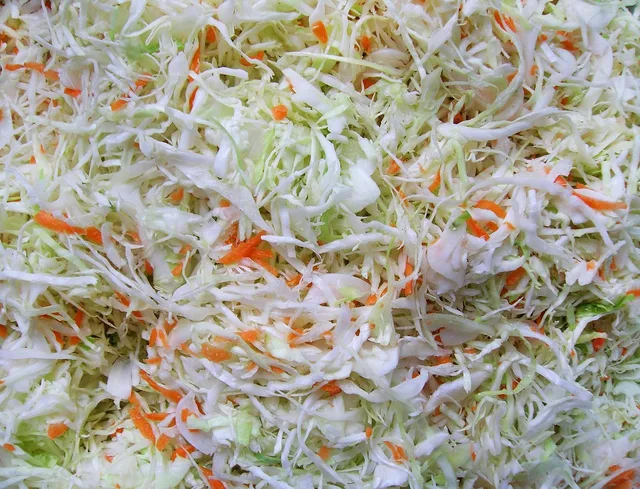
Sauerkraut salt in grams per kg of cabbage, not cups: the metric ratio Canadian fermenters can scale, plus how to test doneness and fix a batch.
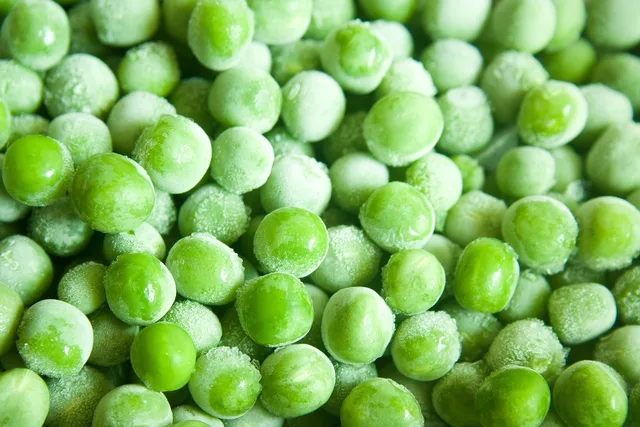
Ferment frozen vegetables only after you check how they were blanched and frozen. Freezing softens cell walls, so texture, starter culture and timing all change.
Home ferment case studies reviews: this site publishes none, because testing products takes buying, running, and repeating. Here is what to read instead.
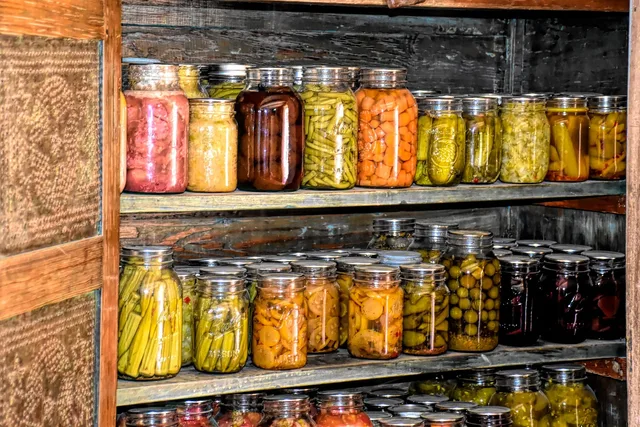
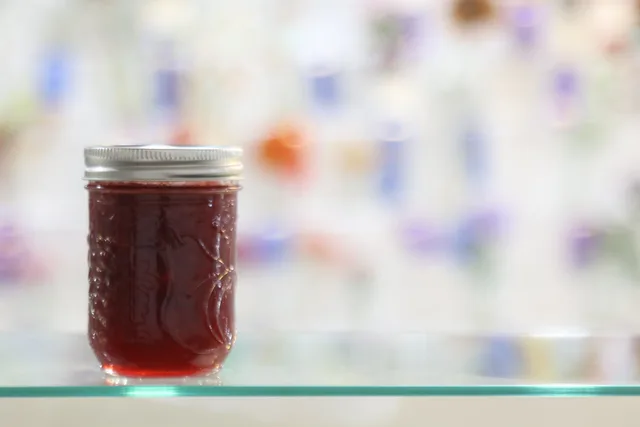
Home ferment case studies labels: for tomatoes, record the tested recipe, the acidifier and amount, jar size, processing time, canner setting and altitude.
Explains why tasting is never a safety test for home canned food, what public health guidance says about botulism, boiling, and pressure canning low-acid foods.
Serving home-preserved food to other people: a guest cannot check your process, so the burden sits with you. What to serve, what to keep for yourself.
Pressure canning, a 10-minute boil before tasting, fish on ice within two hours: the meat and fish basics that keep a home or service kitchen safe.
Cleaning and storing fermentation tools between batches: airlocks, bungs, weights, crocks and gauges. Equipment left dirty or damp is a common reason a good recipe produces a bad jar.
Five fermentation tool makers earn their place by function and spare parts, not by claims, and the one third-party check that exists is a canner gauge test.
The surveillance record is the closest thing to case studies this subject has. What US and international data say about who gets sick and from what.
Four fermentation tools judged on daily use and upkeep: the scale, the airlock lid, the pH meter, and the crock. What each one changes in a batch.
Fermentation tools without overdoing it: five calls on what to buy, borrow or skip, from a probe thermometer to the gear a licensed kitchen adds.
Some equipment choices reach the plate and most do not. A test design for finding out which is which, and the three that reliably change what you taste.
Fermentation jars Toronto buyers can source at named stores, market stalls and Canadian suppliers, with jar types, weights and prices in Canadian dollars.
Fermented seafood in Halifax answers to CFIA's Safe Food for Canadians Regulations, a Nova Scotia processor licence, a provincial food permit and botulism controls that inland vegetable ferments rarely face.
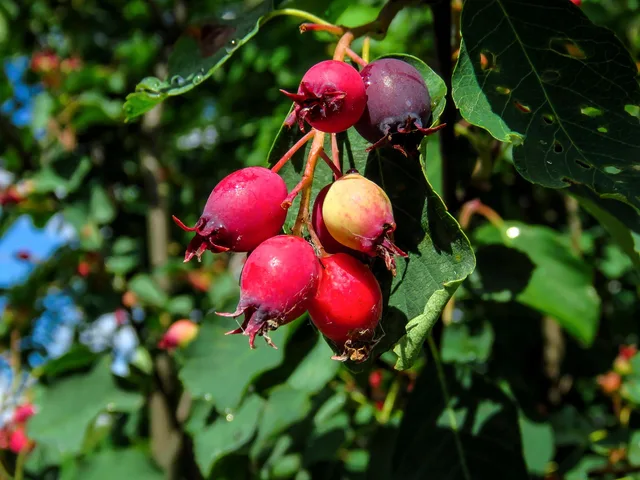
Saskatoons, lingonberries and lowbush blueberries ferment well; baneberry and nightshade do not. Match leaf, fruit scar and habitat before you pick.
The cost of fermentation supplies Canada buyers pay runs about $2 to $4 a jar, and this breaks down cabbage, salt, jars, energy, CRA tax and shipping.
Cross-border fermentation supplies Canada US shipping means CBSA and CFIA rules, customs declarations, duty thresholds and packing that keeps live cultures viable.
A fermentation business in British Columbia needs an approved premises and a health authority permit before it sells. Here are the approvals, the regulation behind them and the records an inspector expects.
CFIA fermented food rules Canada come down to three documents: the licence application, the preventive control plan and traceability records, plus labelling.
Cottage food laws fermented foods Canada differ by province: Ontario, Quebec and BC each set their own permits, product limits and sales channels.
A month-by-month Canadian fermentation calendar built on kitchen temperature, salt weight and local harvest timing from fiddleheads to cellar roots.
Four questions a shop should ask a local supplier before stocking fermented and preserved foods, covering salsa, infused honey, and shelf stability.
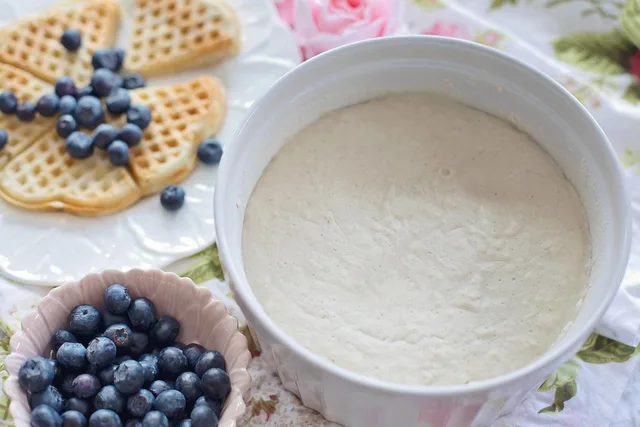
A sourdough starter is a live culture that must be fed. Colorado State University Extension and South Dakota State University Extension give the basics on wild yeast, readiness, temperature and safety.
Fermentation supplies Montreal shops sit inside a Quebec preserving tradition that shapes what you buy, when you source and how you register.
Origin stories sell jars. What is genuinely interesting is how these products are actually made, and the decisions a maker cannot advertise their way around.
Across fermentation brands and preserves, a higher price mostly pays for cold chain, sugar choices and label claims. What to check on the jar instead.
Build a six-sample tasting flight from plain yogurt and fresh curd through sauerkraut, kimchi and kombucha to tofu, with notes on texture, sourness and tofu safety.
Fermentation brands and companies worth watching are judged by what they make and how they manage acidity, storage and shelf life in plain terms.
Seven fermentation kits named and ranked by what they include, what they cost, and which common failures a box of home equipment can actually prevent.
A failed batch is only useful if you wrote down the conditions. The four numbers worth recording, and what each one explains when a jar disappoints.
Garlic and herb oil safety, the fermentation mistakes that matter, and pairing ideas that work: refrigerate the oil four days or freeze it.
How a commercial kitchen catches a bad batch before it ships: professional control of fermented and canned food is about conditions, records.
Bitter, sulfurous, yeasty, mushy and dark: five fermentation off flavors, what each one signals, and which faults you fix by taste and which you never taste at all.
What causes fermentation mistakes, and why they happen: soft pickles, hollow cucumbers, dark kraut, and slime all trace back to a short list of causes.
Small batch fermenting storage covers how refrigeration changes live ferments, what freezing does to texture, and simple habits for organizing jars.
A guide for small batch fermenting makers: screen products against the steam canner's 45-minute limit, excluded foods, and recipe-specific controls.
Small batches change the shopping, not the standards. How to buy a jar's worth of produce well and decide the ending before you leave the shop.
Small jars make honest experiments possible. How to hold the variables still, why cut uniformity matters, and what a single ingredient can do to a ferment.
Small batch fermenting options that teach you something: vary one kraut seasoning per jar, keep salt and vinegar as tested, and know which jars stay cold.
Small batch fermenting how it works: a jar of kraut moves faster than a crock, needs daily checks, and is done in one to two weeks at 70 to 75 F.
Fermentation supplies tasting: which supply choices you can actually taste in a finished jar, which ones only show up as faults, and which differences are not yours.
The fermentation supplies a batch needs, from crock or Mason jar to plate weight, towel cover and pickling salt, and which home ferments can travel as gifts.
Vegetable ferment ideas buying: texture is decided at the shop, not in the crock. The sizes, varieties, wax rules, and timing that separate a crisp fermented pickle.
Vegetable ferment ideas options for seasoning kraut, dill pickles, and kimchi, with pepper cautions, refrigerator guidance, and allergen reminders.
A home ferment label is a record, not a claim. What to write on it, how long the contents actually keep, and the limits of any label as evidence of safety.
Home fermentation businesses face different rules depending on whether acidity comes from fermentation or added acid, and whether products stay refrigerated.
Small weights, one way valve lids and small crocks help home ferments. Acidity, not equipment, decides canning, and tomatoes need added acid.
Where extra money on a fermentation vessel buys convenience like less skimming, and the one purchase that changes what you may safely make: a pressure canner.
Fermentation projects trends: kimchi, kombucha, hot sauce and kvass on the rise, steam-canning guidance under USDA rules, and safety limits that hold.
Sample one batch of fermented dill pickles at set intervals, record temperature, color, texture and sourness, then compare a canned jar with a refrigerated one.
Home fermentation tasting: the sensory checkpoints that tell you a vegetable ferment is working, plus the signs that mean stop and start again.
How to sequence fermentation projects across a year so each one teaches something, starting from the two vegetable ferments with research-tested home directions.
Fermentation jars retail shelf guidance for shops stocking canning jars, lids, canners, fermentation weights, and airlock hardware.
Which salts and vinegars to shelve, how to advise on pressure and boiling water canners, and the replacement parts, jars, and items to refuse.
This fermentation jars comparison covers five practical vessel differences: capacity, material, seal design, submersion, and headroom for vegetable ferments.
Five details from no-brand origin stories that home fermenters miss, from the 1858 Mason shoulder to the wire bail gasket that cannot be reused.
For fermentation projects, brands are secondary: find tested recipes from USDA or extension sources, then check salt, temperature, and storage.
What happens in a jar of kraut, what salt weight and room temperature control, and the exact point where fermenting stops and canning safety rules take over.
Commercial vegetable fermentation is a controlled sequence of bacteria, not a craft mystery. What small makers actually control, and which parts do not scale down.
Why the fermentation projects price comparison misleads: salt type, vinegar acidity, a gram scale and a thermometer change results, not price tags.
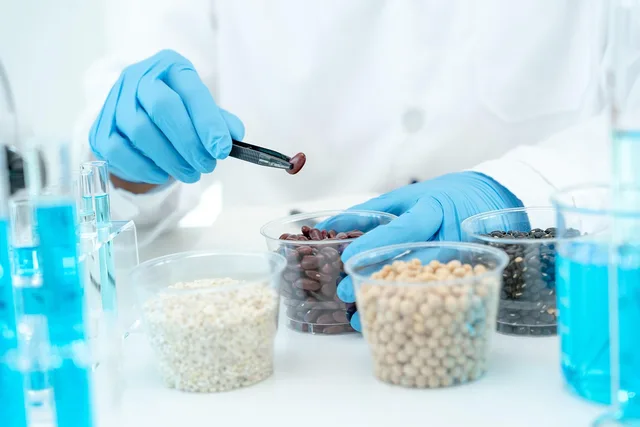
Fermentation supplies businesses may need include pH meters, buffers, batch records and testing; home cooks can follow tested recipes and use basic equipment.
A practical “fermentation jars how to” test: split one cabbage batch among a water-seal crock, a weighted jar under cloth, and a valve-lid jar; taste blind.
A practical guide to side by side tastings of vegetable ferments: change one variable, track temperature, taste blind, and judge sourness, salt, texture, and aroma.
Leftover brine is a good seasoning and a bad preservative. What you can do with it in the kitchen, and the line you should not cross with it.
Home fermentation pairing ideas: heat, salt, and acid decide whether a spoonful of kraut lifts a plate or flattens it. How to serve a live ferment.
No brand ranking here, and here is why. A checklist for judging a fermentation starter kit or subscription box against what the tested directions require.
Kimchi as a third vegetable ferment: the OSU Extension salt range and pH, a one to two day room temperature ferment, then cold storage, beside sauerkraut.
Soft, dark or slimy kraut traced to its cause: how temperature, salt, trimming and brine level explain a vegetable ferment fault, and which ones mean discard.
A shopping list built from what the tested directions actually require, separating the jars and lids that carry safety from the accessories that carry margin.
Four labels decide whether a batch works. What to check on each one before you pay, and the claims on packaging that carry no weight at all.
Industry
The surveillance record is the closest thing to case studies this subject has. What US and international data say about who gets sick and from what.
Reviews
Four fermentation tools judged on daily use and upkeep: the scale, the airlock lid, the pH meter, and the crock. What each one changes in a batch.
Reviews
Fermentation jars Toronto buyers can source at named stores, market stalls and Canadian suppliers, with jar types, weights and prices in Canadian dollars.
Features
Fermented seafood in Halifax answers to CFIA's Safe Food for Canadians Regulations, a Nova Scotia processor licence, a provincial food permit and botulism controls that inland vegetable ferments rarely face.
Guides
Saskatoons, lingonberries and lowbush blueberries ferment well; baneberry and nightshade do not. Match leaf, fruit scar and habitat before you pick.
Costs
The cost of fermentation supplies Canada buyers pay runs about $2 to $4 a jar, and this breaks down cabbage, salt, jars, energy, CRA tax and shipping.
Guides
Fermented carrot sticks stay crunchy when salt lands at 2 to 2.5 percent of carrots plus water. A tested ratio guide, cut advice, and the fix when they go soft.
Guides
Fermented pickles vs vinegar pickles: where the acid comes from, why a cloudy brine is normal, and which style suits your kitchen and your week.
Guides
Sauerkraut salt in grams per kg of cabbage, not cups: the metric ratio Canadian fermenters can scale, plus how to test doneness and fix a batch.
Guides
Ferment frozen vegetables only after you check how they were blanched and frozen. Freezing softens cell walls, so texture, starter culture and timing all change.