
Guides
Fermenting with Canadian seasons, a month-by-month guide
A month-by-month Canadian fermentation calendar built on kitchen temperature, salt weight and local harvest timing from fiddleheads to cellar roots.
What to take away
- Kitchen temperature, not the calendar, sets fermentation time. A 5 C rise above 20 C roughly halves it.
- Spring arrives two to three weeks apart across the country. Southern British Columbia starts in late April, Newfoundland and Labrador in early June.
- Cabbage and roots from September and October carry most Canadian fermenters through to April.
- Selling any of it moves you under CFIA and your provincial ministry, not this article.
Why the Canadian year shapes what you ferment
Canada gives a short, intense harvest and a long cold stretch. Fermentation suits that shape because it holds the peak instead of racing it. A crate of October cabbage becomes kraut that lasts until spring.
Fresh local produce arrives in a wave, then disappears. From late April in southern British Columbia to early June in parts of Newfoundland and Labrador, the wave moves west to east and south to north.
The calendar below is a framework. It assumes you buy local where you can and accept that some months lean on storage crops.
If you want a teaching goal for each month rather than a jar count, a full year of fermentation projects lays out the structure.
Temperature is the clock
A house at 22 C in July ferments faster than the same house at 17 C in November. You adjust salt, vessel size and time rather than fighting the room.
Temperature changes fermentation time
Above 20 C
- Time
- Half
- Check
- Daily
- Adjust
- Shorten
16-20 C
- Time
- Standard
- Check
- Every few days
- Adjust
- Hold
Below 16 C
- Time
- 6-8 weeks
- Check
- Weekly
- Adjust
- Extend
For every 5 C above 20 C, cut fermentation time roughly in half and check daily. Below 16 C, expect kraut to take six to eight weeks instead of four.
Holding a steady temperature costs money in a Canadian winter or a heatwave. Natural Resources Canada's energy efficiency for industry material is written for businesses, but the logic applies to a fermenting room with a heater and a thermostat.
A cool basement beats a warm counter. An insulated cupboard beats both if the house swings.
A worked example: the same kraut in two cities
Suppose you start a 2 kg cabbage kraut on 1 October at 2.5 percent salt, which is 50 g of salt by weight.
In Winnipeg your basement sits at 19 C. At that temperature the kraut should be ready in roughly three to four weeks, so you taste it around 25 October.
If the basement is 16 C instead, add a week or two to that window.
The same project in Vancouver, where October kitchens often sit warmer, may finish in under three weeks. Same recipe, different clock.
January to March: cellar crops and long ferments
These are the storage months.
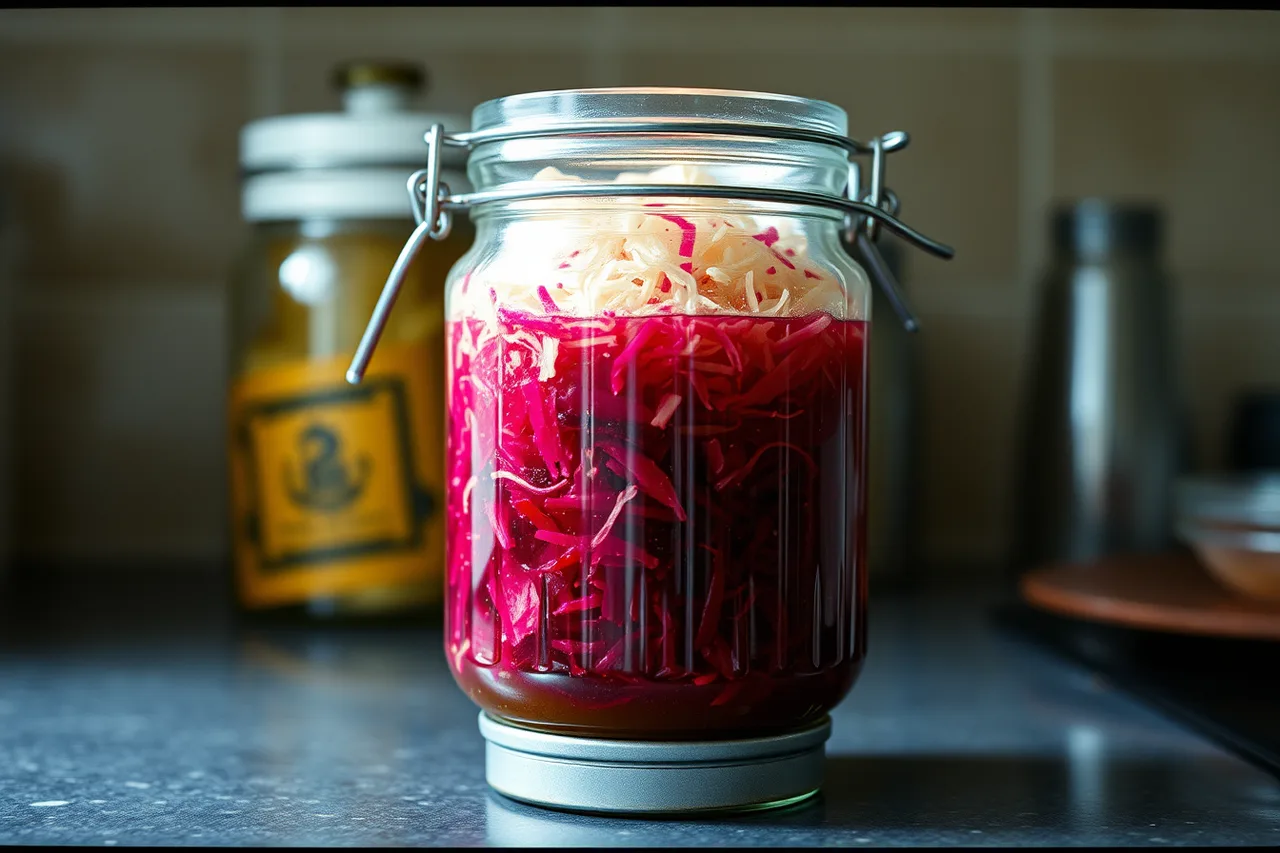
January suits long, slow projects. A plain cabbage sauerkraut started now is ready in four to six weeks at 18 to 20 C. Kimchi from stored napa and daikon works, though the cabbage is looser than a November head.
February is root month. Grated beet and horseradish, carrot and ginger, or a mixed root kraut all hold well. Shred rather than chunk: stored roots are denser and drier, so they release brine slowly.
March is the awkward month. Storage crops tire, spring has not arrived, and imported produce costs most. Use it for brined whole vegetables, which need less prep, and for finishing January's jars.
Salt matters more in these months. Stored vegetables carry less water, so weigh it. Sauerkraut salt in grams per kilogram of shredded vegetable holds up better than cups when the cabbage is dense and cold.
April and May: fiddleheads, rhubarb and the first greens
Spring arrives unevenly. Southern Ontario and coastal British Columbia see fiddleheads and rhubarb in late April. The Prairies and Atlantic Canada often wait until mid or late May.
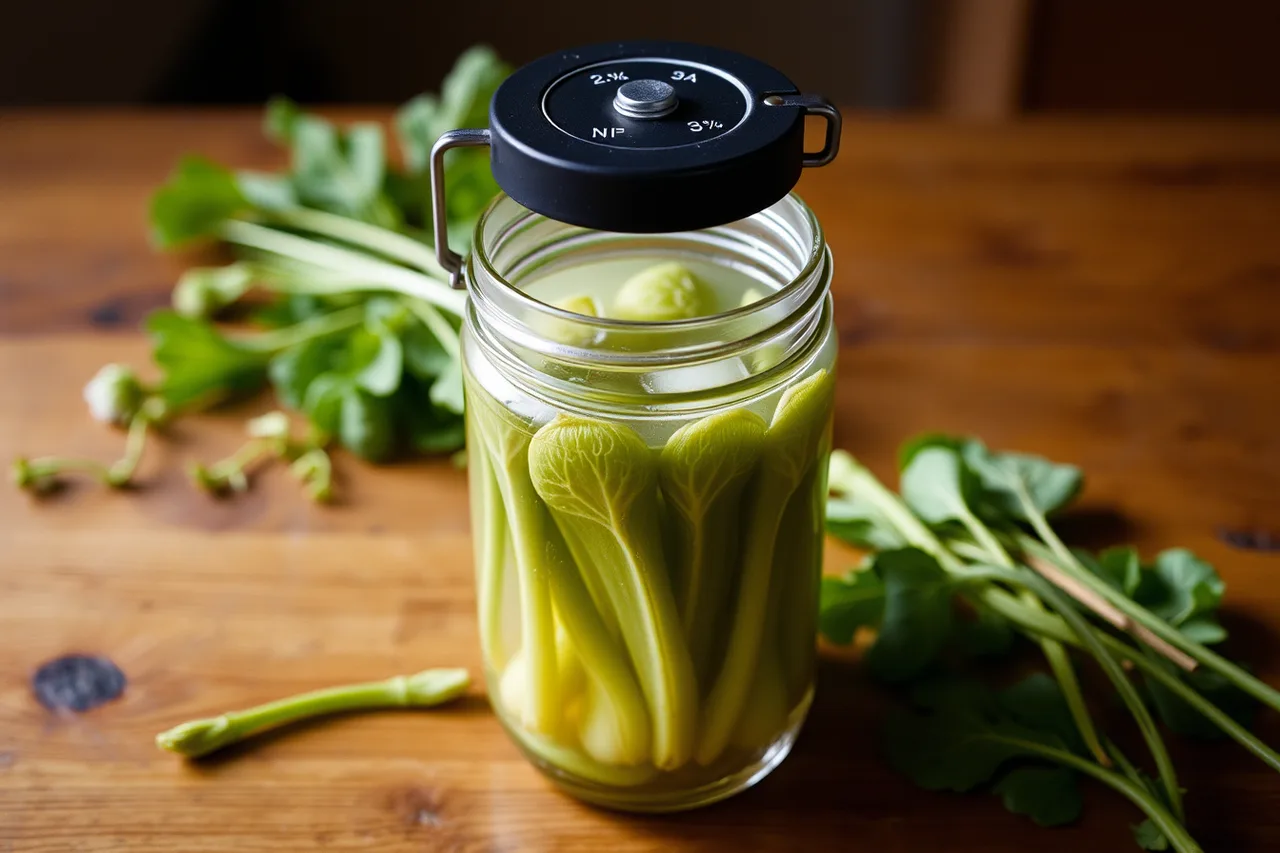
Fiddleheads need care first. Clean off the brown papery husk, wash them well, and cook them before eating. Never ferment raw fiddleheads. Blanch briefly, cool completely, then ferment in a 2 to 3 percent brine.
Blanching changes texture. Expect a soft, olive-like result rather than a crisp pickle. Hold 18 to 20 C for one to two weeks, then refrigerate.
Rhubarb is the opposite problem: high acid, low sugar, and it will not sour into kraut. Treat it as a flavour agent in a brine for other vegetables, or make a lightly fermented relish with added sugar and a two to four day room-temperature ferment.
May brings the first real greens: ramps where they grow, wild garlic, young nettles, radishes. Two to four days at 20 to 22 C is enough for most.
Spring is short, so batch small. Two or three jars per project is plenty. Freezing part of the harvest spreads the work into summer, though a ferment frozen vegetables approach behaves differently: freezing breaks cell walls, so texture softens and brine absorbs faster.
June to August: berries, cucumbers and heat management
Summer is abundance and the hardest time to ferment in a Canadian kitchen without air conditioning. A 28 C room pushes kraut through in days and softens it badly.
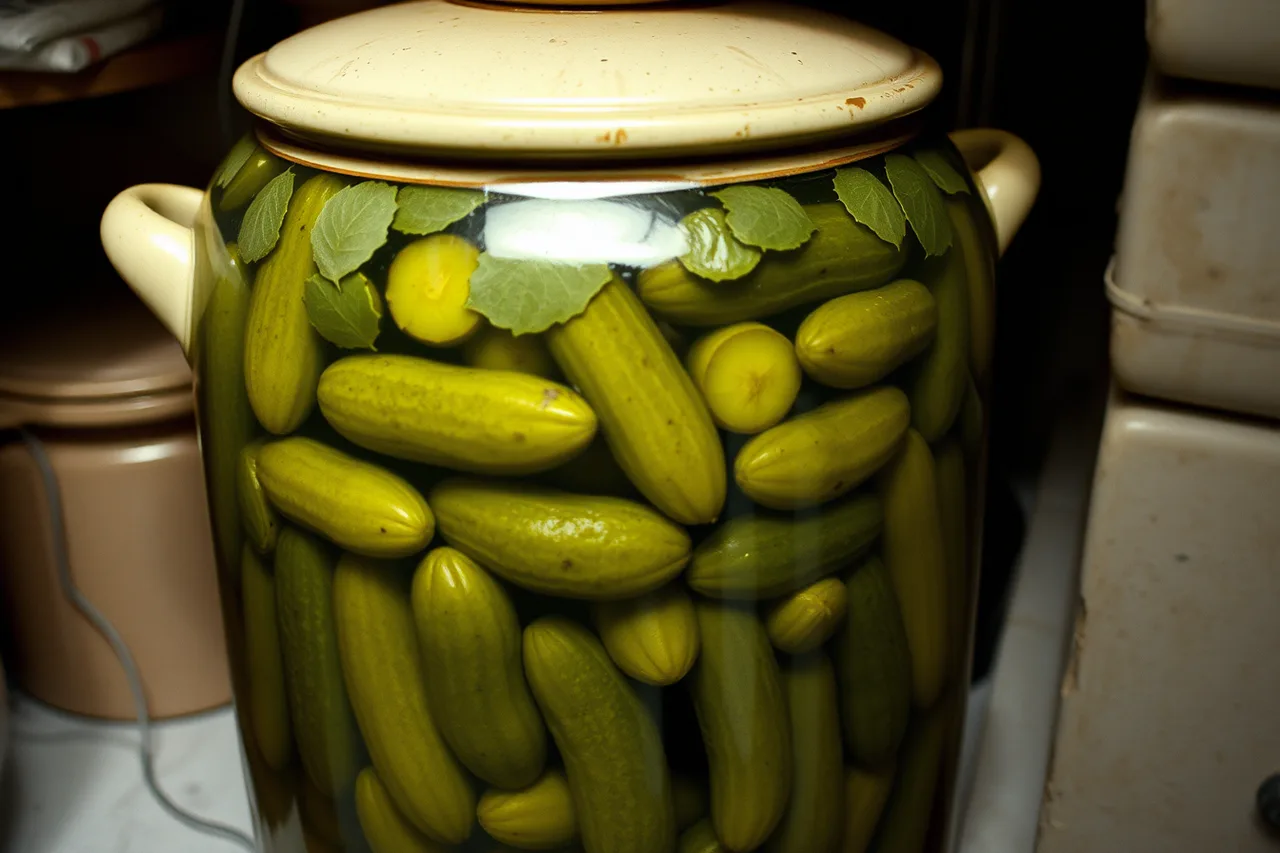
June brings strawberries, then cucumbers, zucchini, peas and young cabbage. Cucumbers need tannins and cool conditions. Add a grape leaf or oak leaf, keep brine at 3 to 5 percent, and aim for 18 to 20 C.
July is berry month. Blueberries, raspberries, saskatoons in the Prairies and cherries in British Columbia all work in short ferments or as brine additions. Sugar makes them fast, often two to four days.
August is peak vegetable month: tomatoes, peppers, beans, corn, and the first storage cabbage. Start the year's biggest kraut batches now if you have a cool basement.
Heat control is the whole game. Move vessels to the coolest room, use larger vessels because they change temperature more slowly, and shorten time rather than adding salt. Before you decide where the crock lives, cold slows a vegetable ferment is worth a read.
September and October: the kraut run and root ferments
This is the busiest stretch of the Canadian year. Cabbage is cheap and firm, roots are coming out of the ground, and temperatures finally cooperate.
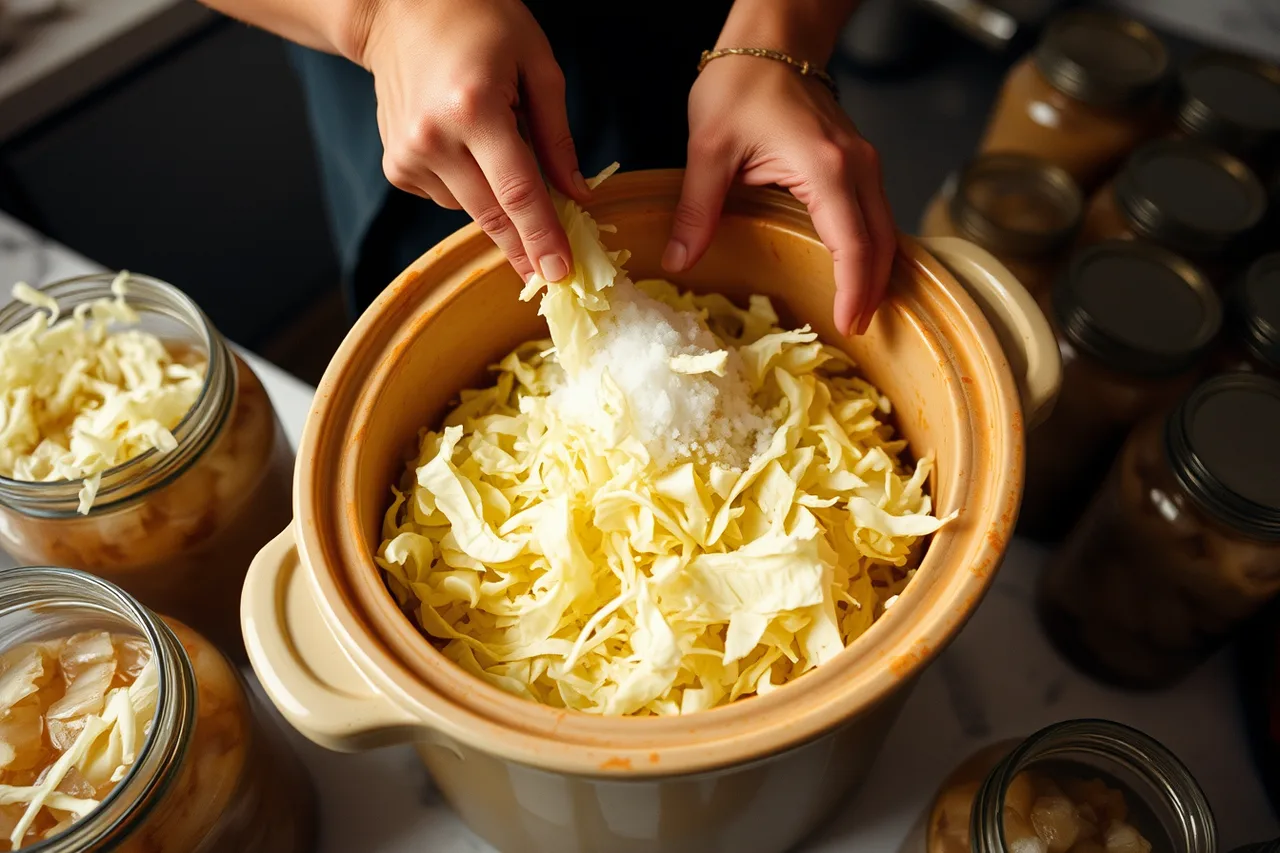
September is cabbage month in most provinces. Ontario, Quebec, the Prairies and the Atlantic provinces all see storage cabbage, and a 20 litre crock is not unusual. Hold 18 to 20 C for three to five weeks.
October is root month. Carrots, beets, turnips, parsnips, celeriac and daikon all ferment well. Roots are forgiving: they hold texture long and tolerate roughly 2 to 3 percent salt.
This is the month to think about volume and storage. A dozen jars of kraut and a few of roots carry you to spring if kept cold and covered. Storing small batch ferments so the last jar tastes like the first is a rule to set now, before the shelf fills.
Timing for the quarter: 18 to 20 C, three to five weeks for kraut, two to four weeks for roots, one to two weeks for quick pepper or bean ferments.
November and December: cellar crops, citrus and gift jars
November is transition. The harvest is done in most provinces, the cellar is full, and fermentation slows with the house. Expect 16 to 18 C in many kitchens, which stretches kraut to six or eight weeks.
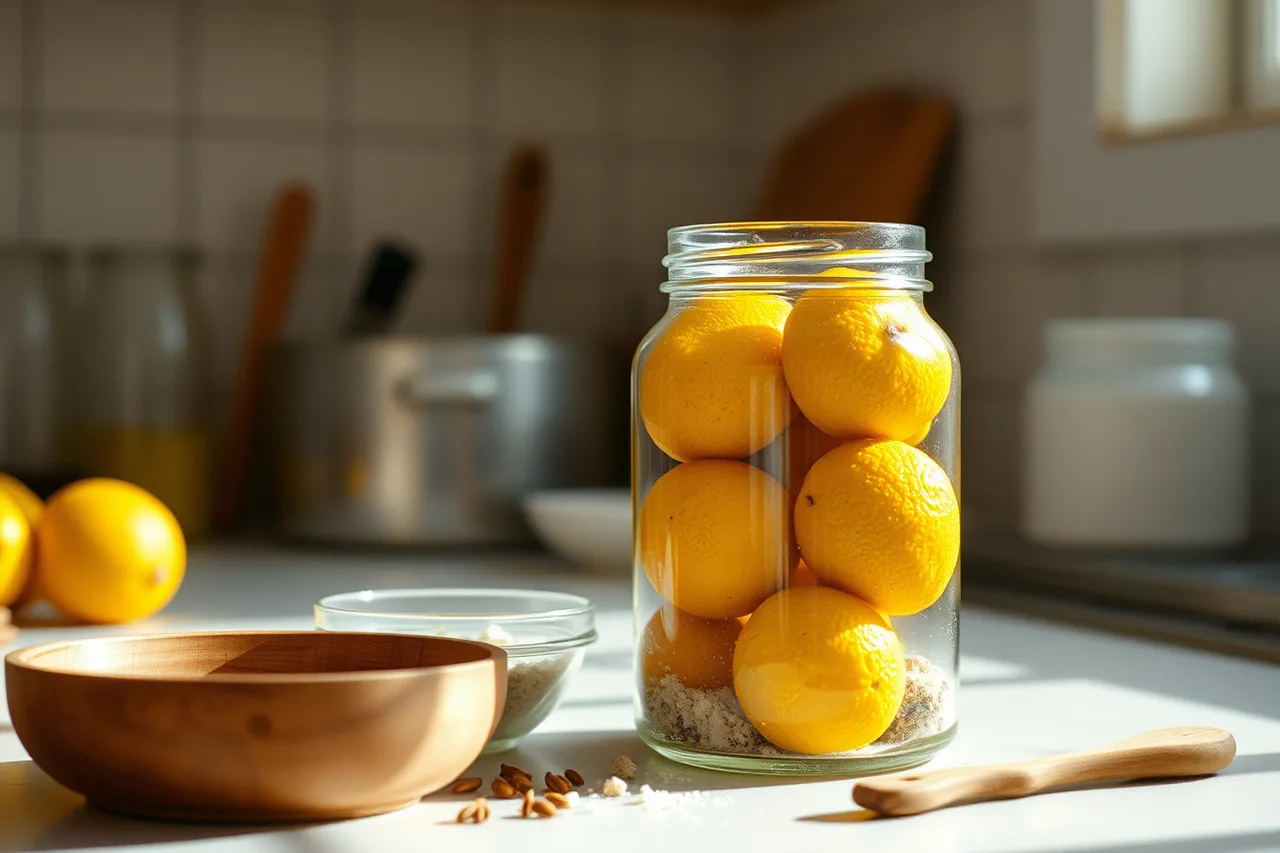
Cellar crops carry the month: squash, pumpkin, late cabbage, leeks, the last roots. Fermented squash is underrated, though it needs a firm variety and one to two weeks.
December is citrus and gift jars. Lemons, oranges and limes are imported but cheap and reliable, and preserved lemons take four to six weeks at room temperature. Cranberries ferment quickly into a sharp winter condiment.
Gift jars need more care than everyday ferments. Use small jars, keep brine levels high, and send them with a note about refrigeration. A ferment that rides in a warm car to a dinner will not be the one you intended.
December is also the month to review your notes. For each batch, log the date, kitchen temperature, vegetable weight and salt grams. In December, compare those logs to decide what to repeat.
Temperature and timing targets by month
Times assume a 2 to 3 percent salt brine by weight and a clean vessel. Adjust for your kitchen.
| Month | Typical project | Target temperature | Rough time |
|---|---|---|---|
| January | Long cabbage kraut or kimchi | 18 to 20 C | 4 to 6 weeks |
| February | Root ferments: beet and horseradish, carrot and ginger | 18 to 20 C | 2 to 4 weeks |
| March | Brined whole vegetables and finishing January jars | 18 to 20 C | 2 to 3 weeks |
| April | Blanched fiddleheads and rhubarb relish | 18 to 20 C | 2 to 4 days for relish; 1 to 2 weeks for fiddleheads |
| May | Ramps, wild garlic, nettles and radishes | 20 to 22 C | 2 to 4 days |
| June | Cucumbers, zucchini and young cabbage | 18 to 20 C | 2 to 4 days for strawberries; 1 to 2 weeks for cucumbers |
| July | Berries and cherries | 20 to 22 C | 2 to 4 days |
| August | Tomatoes, peppers, beans and first storage cabbage | 18 to 20 C | 1 to 2 weeks for quick; 3 to 5 weeks for kraut |
| September | Cabbage kraut run | 18 to 20 C | 3 to 5 weeks |
| October | Root ferments: carrots, beets, turnips and celeriac | 18 to 20 C | 2 to 4 weeks |
| November | Squash, pumpkin, late cabbage and leeks | 16 to 18 C | 2 to 4 weeks for roots; 6 to 8 weeks for kraut |
| December | Preserved lemons and cranberry relish | 18 to 21 C | 3 to 5 days for cranberries; 4 to 6 weeks for lemons |
Monthly fermentation targets
- JanuaryCabbage sauerkraut, 4-6 weeks
- FebruaryGrated root ferments, 2-3 weeks
- MarchBrined whole vegetables, 1-2 weeks
- AprilBlanched fiddleheads, 1-2 weeks
- MayRhubarb relish, 2-4 days
- JuneCucumber pickles, 1-2 weeks
- JulyBerry ferments, 2-4 days
- AugustTomato and pepper ferments, 1-2 weeks
Same kraut, two cities
Winnipeg
- Temperature
- 19 C
- Time
- 3-4 weeks
- Taste
- Around Oct 25
Vancouver
- Temperature
- Warmer
- Time
- Under 3 weeks
- Taste
- Earlier
When a province's season runs late
Late seasons are normal. A cold spring in Manitoba, Saskatchewan or Newfoundland and Labrador can push fiddleheads and rhubarb back two to three weeks. A wet autumn in Ontario or Quebec can shorten the cabbage window.
Rebuild plan when season slips
- Check provincial harvest reports in early spring
- Move spring projects back by delay weeks
- Keep summer projects unless delay passed 3 weeks
- Protect kraut run by starting as soon as cabbage is ready
Shift the whole calendar rather than forcing a project. Move spring ferments into late May, and accept that the kraut run may start in early October instead of mid September.
Frozen and stored produce bridges the gap. Provincial agriculture ministries publish harvest updates, and local food policy councils and farmers' markets are the fastest ground truth.
Quebec's agriculture, environment and natural resources pages list seasonal food and agri rules. Saskatchewan's agriculture, natural resources and industry pages cover food processing. British Columbia's farming, natural resources and industry portal sets out agri-food context.
Here is how to rebuild the plan when the season slips:
- Check provincial harvest reports and local market listings in early spring.
- Move each spring project back by the same number of weeks the season moved.
- Keep summer projects at their dates unless the delay passed three weeks.
- Protect the kraut run by starting it as soon as firm cabbage appears.
- Fill gaps with storage crops, frozen produce, or imported cabbage and roots.
If you sell any of what you make, the rules change. The Canadian Food Inspection Agency administers the Food Safety Regulations under the Safe Food for Canadians Act, and provincial cottage food laws, such as Ontario's licensing rules, decide what may leave a home kitchen. Confirm your position with CFIA, your provincial ministry, or a food business lawyer.
Common questions
Does fermentation work the same in every province?
The method is the same, the timing is not. Coastal British Columbia starts earlier than the Prairies, and Atlantic Canada often runs later still. Build your calendar around your own kitchen temperature and your own market.
Can I ferment fiddleheads raw?
No. Fiddleheads should be cleaned and cooked before eating, and that applies to fermented ones too. Blanch, cool completely, then ferment in a 2 to 3 percent brine.
Why did my summer kraut turn soft?
Heat is the usual cause. Above about 24 C, fermentation races and texture suffers. Move the vessel somewhere cooler and shorten the time rather than adding salt.
How much salt should I use for root vegetables?
Roughly 2 to 3 percent of the vegetable weight. Shredding helps them release brine. If you are unsure whether a batch is sound, check it with a pH meter or have it tested, and ask your public health unit.




![500px provided description: Canning [#jar ,#tomatoes ,#canning]. Tomato Canning Jar Labels: What to Record and Why](/covers/what-labels-can-tell-you-about-home-ferment-case-studies-640.webp?v=73619010)