Costs
What does a jar of sauerkraut cost to make in Canada?
The cost of fermentation supplies Canada buyers pay runs about $2 to $4 a jar, and this breaks down cabbage, salt, jars, energy, CRA tax and shipping.
What to take away
- The cost to make a one litre jar of sauerkraut in Canada typically lands between $2.40 and $6.70. The low end is in-season cabbage and reused equipment. The high end is winter imports and new gear.
- Cabbage runs roughly $1.50 to $4.50 a kilogram depending on province and season, and salt adds only a few cents per jar.
- A one litre fermentation jar with an airlock and weight costs about $12 to $35 in Canadian retail, and that jar is reused across many batches.
- Energy is a small line item for a home setup, but it grows fast if you heat or cool a dedicated room.
- Selling the finished jar brings CRA income reporting and HST questions, and shipping within Canada often costs more than shipping to the US.
- A typical US home fermenter pays less per jar mainly because cabbage, jars and shipping are cheaper south of the border.
A worked example: one litre of sauerkraut in Ontario
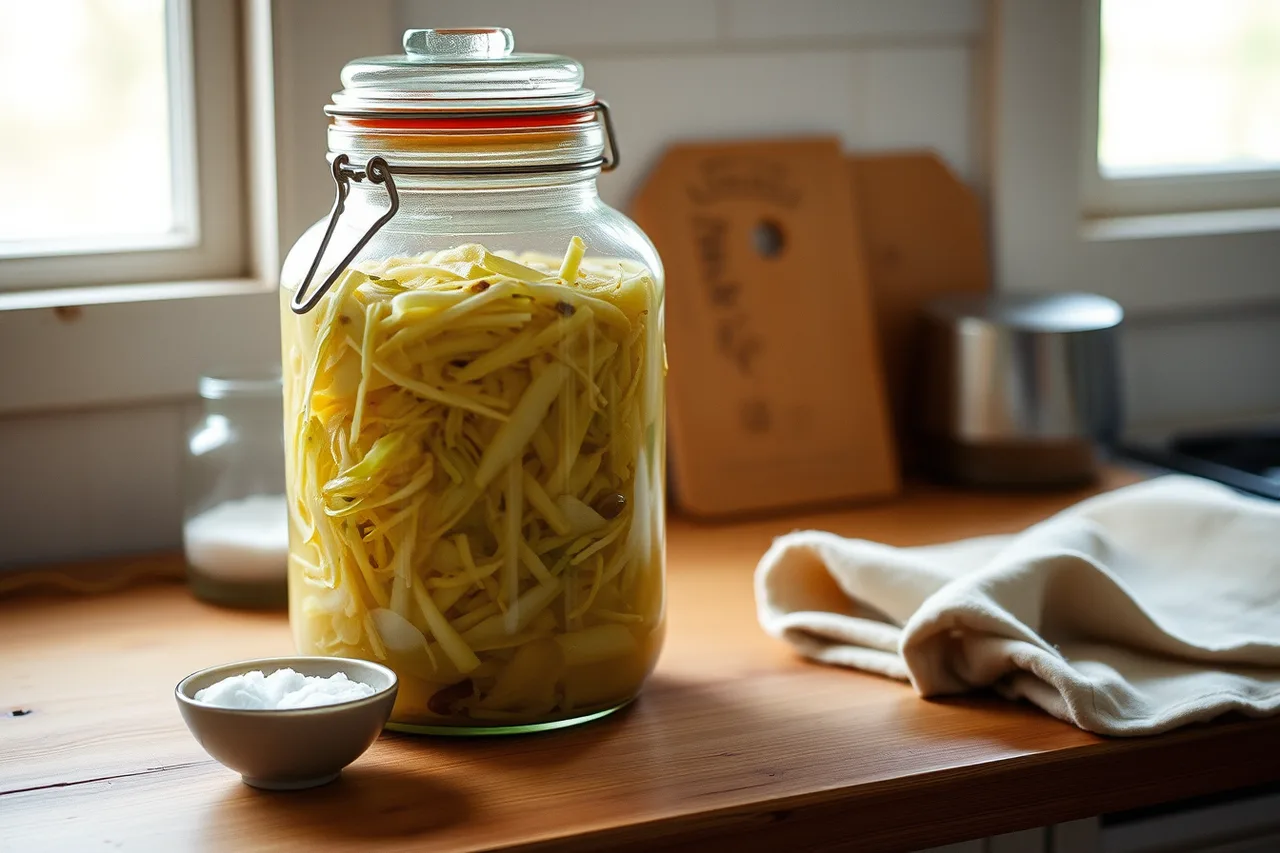
Take one kilogram of cabbage at $2.50, 20 grams of pickling salt at about $0.10, and a reused one litre jar with a reused airlock lid. Add roughly $0.35 for electricity over three weeks and $0.05 for water and washing.
That batch fills about one litre of finished sauerkraut, or roughly 700 grams drained. The cash cost is under $3.00 for the jar. Buy the jar and lid new at $18 and your first jar costs about $21, then falls to under $3 on every batch after.
What goes into the cost of fermentation supplies Canada buyers actually pay
The jar price is the number most people remember, but it is rarely the biggest one. Cabbage dominates the per jar cost, and it swings with season and province.
Salt is trivial in dollars. A kilogram of non-iodised pickling salt costs a few dollars and salts many batches, so the per jar figure rounds to cents. Getting the ratio right matters more than the brand.
Equipment is a one time cost that you spread across batches. A crock, a glass jar, an airlock lid, a weight and a lid all appear on the first receipt and then keep working.
There are also costs people forget: water, dish soap, a scale, a thermometer, and the electricity or gas that holds the room at a steady temperature. None is large alone. Together they can add a dollar or more per jar in a cold Canadian basement.
If you are deciding what to buy first, what fermentation supplies are for covers the order.
Cabbage and salt priced per kilogram in Ontario, Quebec, BC and the Prairies
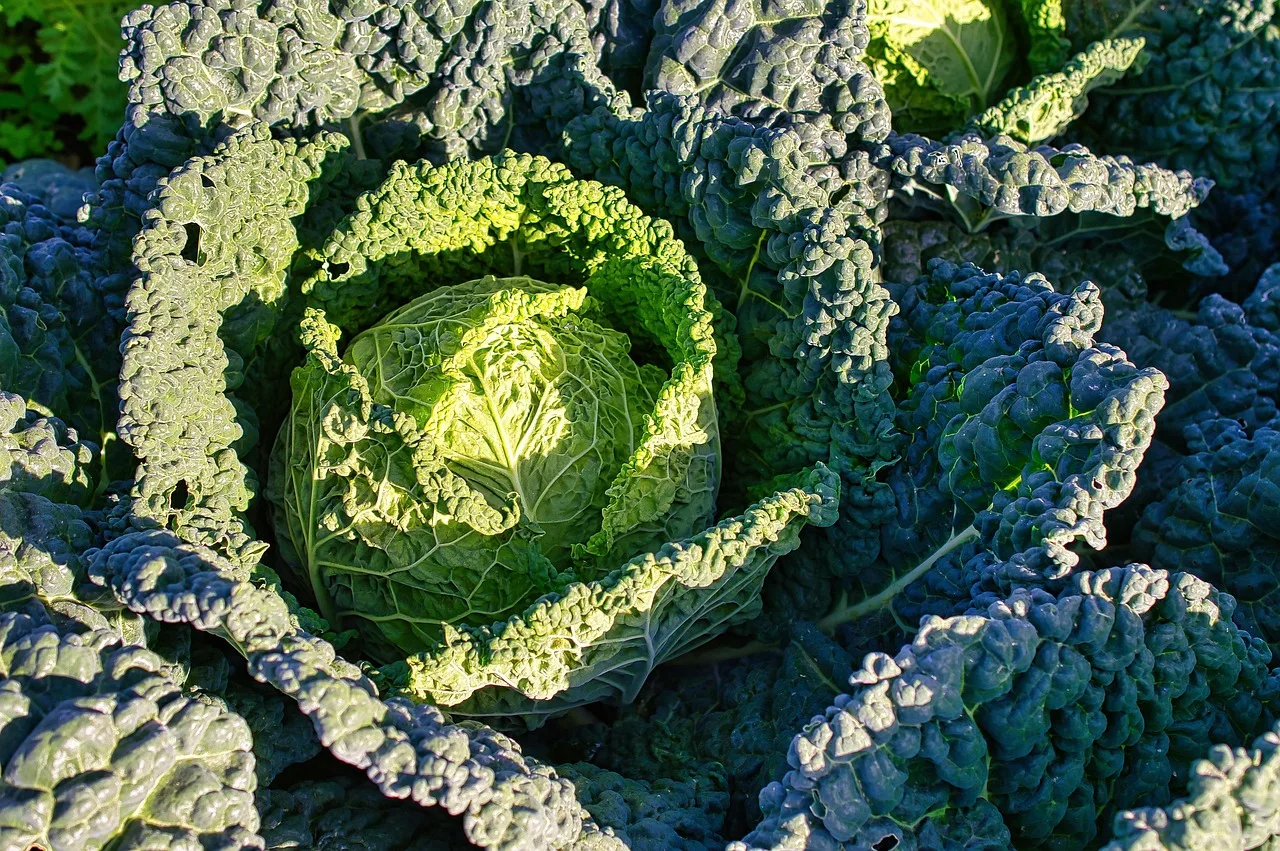
Cabbage is the single largest input, and Canadian prices move with the growing season. Local field cabbage in late summer and autumn is cheapest. Imported cabbage in February and March is dearest.
Cabbage and salt priced per kilogram
| Province | Cabbage, per kg (typical range) | Pickling salt, per kg |
|---|---|---|
| Ontario | $1.80 to $3.50 | $2 to $4 |
| Quebec | $1.70 to $3.40 | $2 to $4 |
| British Columbia | $2.50 to $4.50 | $2.50 to $5 |
| Alberta | $2.00 to $3.80 | $2 to $4 |
| Saskatchewan | $2.00 to $3.90 | $2 to $4 |
| Manitoba | $2.10 to $4.00 | $2 to $4 |
| Nova Scotia | $2.50 to $4.60 | $2.50 to $5 |
| Newfoundland and Labrador | $3.00 to $5.50 | $3 to $6 |
Ontario and Quebec benefit from a large local cabbage supply and short trucking distances. British Columbia and the Atlantic provinces pay more, partly for freight and partly for a shorter growing window.
The Prairies sit in the middle. Alberta and Saskatchewan grow plenty of cabbage for processing, so supermarket prices are moderate, but winter imports still push the top of the range up.
Buying direct from a farmer at a market, or a whole case at a farm gate, can cut the per kilogram price well below supermarket shelf prices. That is the cheapest lever most home fermenters have.
Salt barely registers. Even at $5 a kilogram, a 2 percent brine uses about 20 grams per kilogram of cabbage, so the salt cost per jar is a rounding error. Weighing sauerkraut salt in grams keeps that ratio honest across batches of any size.
Jars, lids and weights: Canadian retail price ranges in dollars
Glass is where the first receipt gets real. A plain one litre mason jar is cheap, but a fermentation ready setup with an airlock and a weight is not.
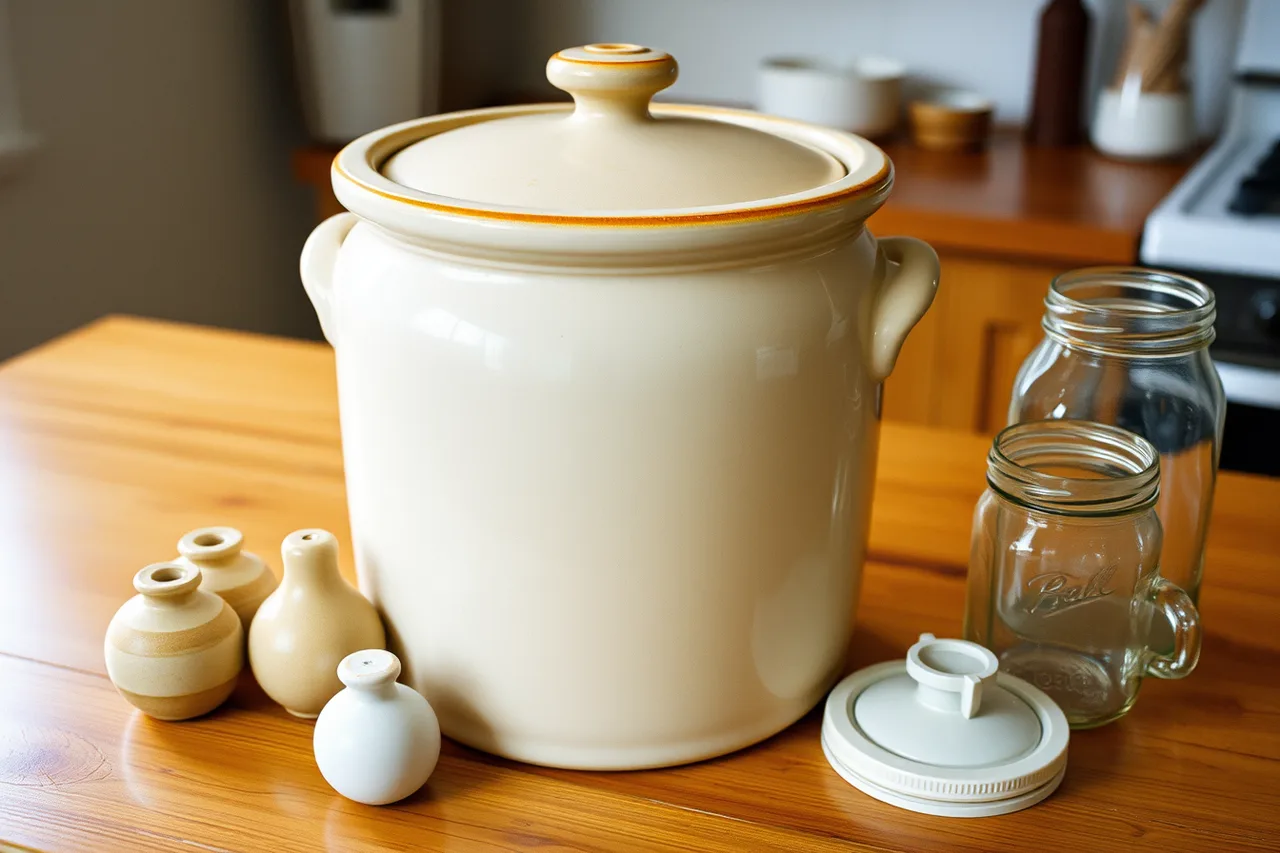
Jars, lids and weights
| Item | Typical Canadian retail price |
|---|---|
| One litre mason jar, plain | $2 to $6 |
| One litre jar with airlock lid | $12 to $25 |
| Ceramic fermentation weight | $6 to $15 |
| Glass weight | $8 to $18 |
| Water seal crock, 5 litre | $45 to $120 |
| Airlock and grommet lid, each | $4 to $12 |
| Digital kitchen scale | $15 to $40 |
Prices vary by province and by whether you buy from a hardware store, a kitchen shop or an online marketplace. Shipping can add more than the item itself when you order a heavy crock.
A five litre crock costs more up front but spreads across roughly five litres of finished product, so the per jar equipment cost falls quickly. Small jars cost less to try and more per litre over time.
This is where extra money spent on a better vessel usually pays back, because a lid that seals properly prevents mould and wasted cabbage.
Weights are the item people skip and regret. A clean glass or ceramic weight holds the cabbage under the brine, and a $10 weight can save a $3 batch every time.
Energy and storage costs, using NRCan efficiency figures for a home setup
Sauerkraut needs a steady cool temperature, roughly 18 to 22 degrees Celsius for the first week and cooler after that. In a Canadian home, that is often just a basement corner or a cool cupboard.
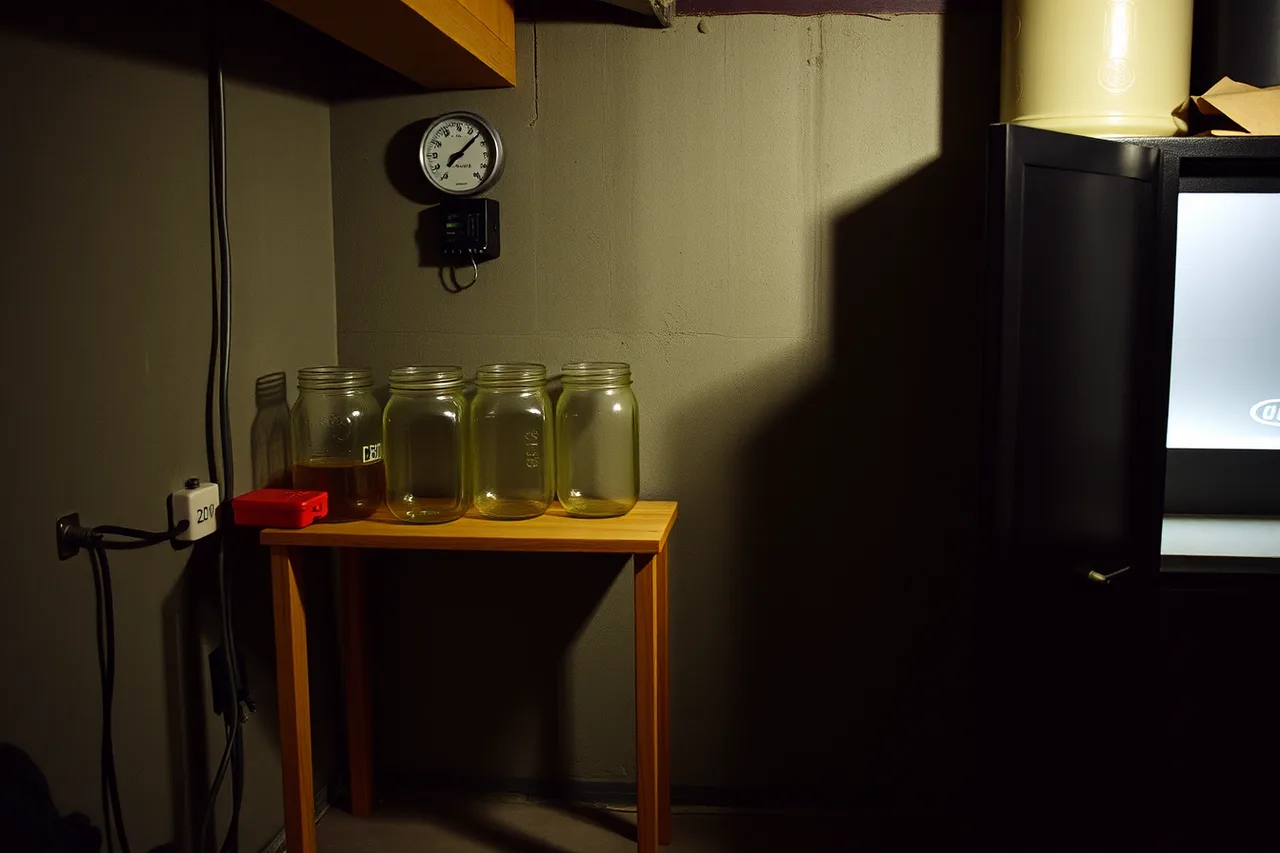
If your basement already sits in that range, energy cost is close to zero.
A 15 watt heat mat run for three weeks uses about 7.6 kilowatt hours. At typical Canadian residential rates of 12 to 20 cents per kilowatt hour, that is roughly $0.90 to $1.50 per batch, a few dollars a month rather than a few dollars a jar.
Natural Resources Canada publishes efficiency guidance for buildings that applies to any conditioned space, including a room you keep warm or cool for fermentation. See energy efficiency for buildings for how space conditioning drives cost.
For anyone scaling toward a small commercial operation, the same federal guidance covers process energy. The energy efficiency for industry pages explain where motors, refrigeration and ventilation consume the most.
Refrigeration is the big one if you store finished jars cold. A second fridge running year round in a Canadian kitchen costs noticeably more than the cabbage in a single batch.
Shelving, a dark cupboard and a thermometer are cheap. Keeping the space out of direct sun and away from a furnace vent costs nothing and prevents spoiled batches.
CRA small business tax and HST considerations for selling the finished jar
Selling sauerkraut turns a hobby into a small business, and the Canada Revenue Agency expects you to report the income. Keep receipts for cabbage, jars, salt and labels from day one.
If your taxable revenue stays under $30,000 over four consecutive calendar quarters, you generally do not have to register for GST or HST. Once you cross it, or if you choose to register early, you charge tax on taxable sales and claim input tax credits on your supplies.
Most basic groceries are zero rated for GST and HST, but prepared and processed foods can be treated differently. Ontario's rules on what is taxable and what is not are set out in the province's Harmonized Sales Tax guidance, and the same logic applies in harmonised provinces.
Provincial programmes matter too. British Columbia lists small business tax credits and relief in its taxes and tax credits pages, and Manitoba sets out its own rates and incentives under business taxes and tax incentives.
Food safety sits alongside tax. The Canadian Food Inspection Agency enforces the Safe Food for Canadians Regulations, and provincial health authorities set rules for cottage food operations. Check both before you sell a single jar.
Record keeping is unglamorous and it is the difference between a clean filing and a painful one. Track batches, yields and costs per jar so your margin is a number, not a guess.
Shipping a jar within Canada versus to the US: what the difference costs
Shipping glass is expensive, and Canadian domestic rates are often higher than cross border rates for the same parcel. Distance is only part of the reason.
Within Canada, a one litre jar packed with padding typically weighs about 1.5 kilograms. A tracked parcel from Ontario to British Columbia commonly costs more than the same parcel from Ontario to a US border state.
To the US, carriers compete harder and volumes are larger, so per parcel rates are often lower. The catch is customs paperwork, duty and the risk of a damaged jar crossing a border twice.
For a small producer, the practical answer is local pickup and farmers' markets first. Shipping a single jar rarely leaves a margin once packaging, tape and a box are counted.
If you do ship, use a box rated for glass, double box the jar, and price shipping into the sale rather than absorbing it. A $12 jar with $18 shipping is a hard sell.
Provincial differences matter here as well. A producer in Manitoba or Nova Scotia pays more to reach national customers than one in southern Ontario, which is a real cost gap for small food businesses outside the centre.
Total cost per jar compared with typical US figures
Add the lines and the Canadian picture is clear. Cabbage, salt, energy and a share of a reused jar put a one litre batch between $2.40 and $6.70 in most provinces.
The low end is in-season local cabbage and equipment you already own. The high end is imported cabbage in winter, new gear spread over few batches, and a room you heat or cool.
Total cost per jar
Canada, typical
- Cabbage, 1 kg
- $1.70 to $4.50
- Salt, per batch
- $0.10
- Jar, amortised
- $0.30 to $1.00
- Lid and weight, amortised
- $0.20 to $0.60
- Energy
- $0.10 to $0.50
- Total per jar
- $2.40 to $6.70
United States, typical
- Cabbage, 1 kg
- $1.30 to $3.00
- Salt, per batch
- $0.08
- Jar, amortised
- $0.25 to $0.80
- Lid and weight, amortised
- $0.15 to $0.50
- Energy
- $0.08 to $0.40
- Total per jar
- $1.86 to $4.78
US figures are lower mainly because cabbage and glass are cheaper there and freight distances are shorter for many buyers. The gap is real but modest, usually under a dollar a jar.
The equipment you already own is the cheapest equipment you will ever buy.
Spending helps at the start and stops helping once a batch works reliably, as Fermentation projects and price describes.
Where the Canadian cost gap comes from, and how to close it
Three forces drive the gap: shorter growing seasons, longer freight distances, and smaller retail volumes. None is permanent, and each has a workaround.
Seasonal buying is the biggest lever. Cabbage in September and October costs far less than cabbage in March, and a cool Canadian cellar or garage keeps it for weeks.
Scale helps on equipment. One crock and one set of weights serve many batches, so the per jar equipment cost falls toward zero over a year of regular fermenting.
Sourcing matters more than brand. Market growers, farm gates and community food policy councils often sell cabbage cheaper than supermarkets, and local food groups can point you to them. Buying produce for a single batch in the right order keeps it fresh longer, which matters when a case of cabbage has to last three weeks.
Before you spend, work through this checklist:
- Price cabbage at two or three local sources, in season and out.
- Confirm you have non-iodised salt and a working scale.
- Decide whether you need a new jar or already own a suitable one.
- Check your fermenting space holds a steady cool temperature.
- Add up equipment once, then divide by the batches you expect in a year.
- If selling, check CRA registration thresholds and provincial food rules.
- Price shipping before you promise a jar to a customer in another province.
Do those seven things and the Canadian cost gap narrows to something you can live with. The cabbage, not the gadget, decides your margin.