Maintenance
Slimy fermented vegetables: causes and fixes
Slimy fermented vegetables trace to heat, low salt, or vegetable enzymes. Here is how to tell a texture defect from a spoiled batch, and what to do.
What to take away
- Slimy fermented vegetables usually trace to a warm ferment, too little salt, or vegetable enzymes that keep breaking down pectin inside the jar.
- Soft, slippery pieces with a clean sour smell are a quality problem, not a safety one, and the batch is still edible.
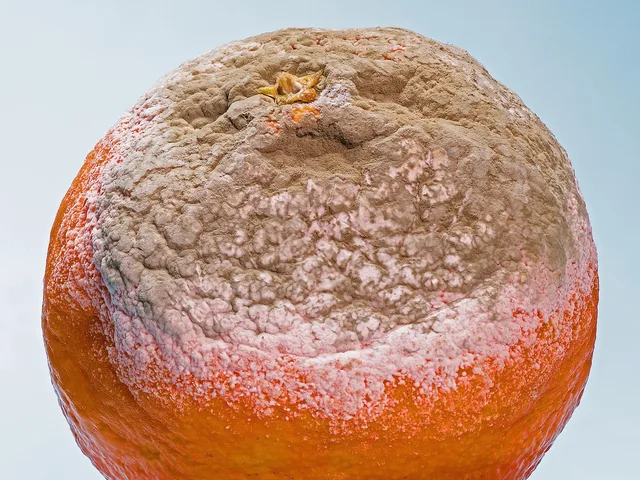
- Fuzz, a pink or black film, or a smell of nail polish means the batch goes in the bin, brine included.
- Above roughly 75 F, summer heat can soften a firm cucumber in days rather than weeks.
- The slowest defect appears two to three months into storage, in a jar that looked perfect when it was packed.
Slime is not one problem with one answer. It is a handful of separate problems that share a texture, which is why jars get thrown out that did not need to be. Most start with salt, temperature, or time. The page on fermentation mistakes sorts those causes by how each one reads in the jar.
The batch-ruining one
Situation: a crock of pickling cucumbers sits on a back porch in July, and the brine holds above 80 F overnight. Within 48 to 72 hours the liquid turns ropy and pours like thin syrup.
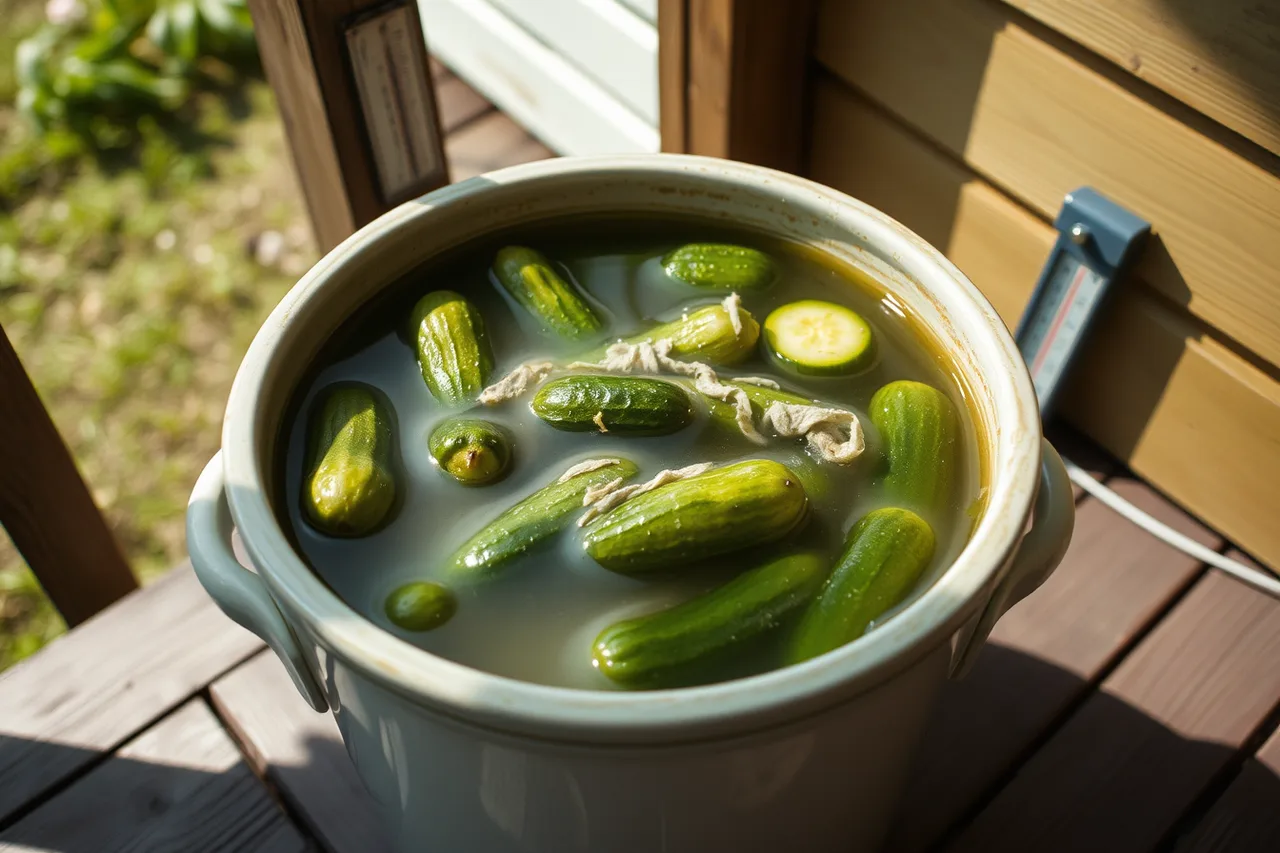
Consequence: the cucumbers soften all the way through. Once fuzz or a rising film joins the slime, nothing in that crock is salvageable.
Prevention: salt and temperature, in that order. The salt quantity for fermenting vegetables should come from a tested recipe and be weighed, not guessed. Ferment in the coolest room in the house, and accept a slower start. A 10 F drop stretches the same batch by days, the relationship between temperature and fermentation rate in practice.
The ones that only affect quality
Situation: vegetables carry their own pectin-degrading enzymes, and some varieties carry far more than others.
Consequence: the pieces turn slippery and lose their snap while the brine stays clear and properly sour. This is the defect behind most complaints about fermented pickles vs vinegar pickles, since a vinegar brine firms cucumbers instead of softening them.
Prevention: start with firm, fresh produce, trim the blossom end of cucumbers, and hold the ferment near 65 F to 68 F. A batch like this is safe to eat. It simply feels wrong on the tongue.
The ones that show up in storage
Situation: the jar looked and smelled fine when it went into the refrigerator in September.
Consequence: at the two to three month mark, the brine thickens, the pieces feel slick, and a thin film can return even in the cold. Nothing warns you at the moment of packing, because the sourness is still intact.
Prevention: keep the vegetables under the brine, keep the jar cold, and finish it within about three months. FDA guidance on refrigerated storage supports holding finished ferments at 40 F or below, which slows these changes without stopping them. The guide to storing small batch ferments covers brine levels and jar rotation for that window.
Slime that arrives after two months in storage is often the same defect you would have seen in week one, running on a slower clock.
Example: one jar, four readings
One jar, four readings
| What you see in the jar | Likely cause | Verdict |
|---|---|---|
| Cloudy brine, firm pieces, sharp sour smell | Normal fermentation | Continue |
| Slippery pieces, clear brine, clean smell | Vegetable enzymes or low salt | Safe, texture gone |
| Dull white film on top, no fuzz | Kahm yeast | Skim it off |
| Fuzz, pink or black spots, acetone smell | Mold or spoilage | Discard |
A dull white film is the one most people misread. Kahm yeast is a surface growth that is generally harmless on its own, and it gets confused with slime because both change how the surface looks. Fuzz or colored growth is a different answer.
What they have in common
Every defect above is decided before the jar is sealed, by the salt ratio, the room temperature, and the condition of the produce. What differs is when the problem becomes visible to you.
USDA home canning guidance covers acid, heat, and headspace, not the texture of a ferment that never gets processed, so a slimy jar sits outside what those documents answer.
Safety is separate from texture. Most US guidance sets pH 4.6 as the line for acidified vegetables. Below it, spoilage organisms and their spores are held back.
A ferment can smell clean and read under 4.6 yet still be slimy and perfectly edible. Reading a home fermentation by smell, surface, and sourness separates the two faster than any single test.