Costs
Part of Fermentation brands and companies: what to watch, without a brand watchlist, in plain terms
Pricier kraut, jam or honey: why it isn't always better
Across fermentation brands and preserves, a higher price mostly pays for cold chain, sugar choices and label claims. What to check on the jar instead.
A jar's price is a poor scorecard for what is inside it. Whether the jar is live kraut, a reduced-sugar jam or a bottle of honey, the gap between cheap and expensive across fermentation brands and preserves mostly reflects how the jar was stored, what went into it, and what its label claims — none of which is quality by itself. This piece works through those three products, then shows what to read on the jar instead.
What to take away
- Refrigerated distribution costs money, so a live jar usually costs more than a shelf-stable one. That is logistics, not virtue.
- Sugar in preserves is doing a job. Reducing it changes the product, and only tested low-sugar recipes are safe to can.
- Ingredient authenticity is a real risk in some categories, and price alone does not settle it.
- Cheap canning salt and cheap 5 percent vinegar are exactly as good as expensive ones.
What the price is actually buying
Three things, mostly. Cold chain, because a live refrigerated product costs more to move and store than a jar on a dry shelf. Ingredients, where a real spice or a named variety costs more than a flavoring. And claims, where organic, raw, or heritage labeling carries a premium that may or may not describe a difference you can taste.
What the price covers
Cold chain
- What it is
- Refrigerated shipping
- Cost driver
- Live storage
- Quality?
- No
Ingredients
- What it is
- Real spice, named variety
- Cost driver
- Sourcing
- Quality?
- No
Claims
- What it is
- Organic, raw, heritage
- Cost driver
- Labeling premium
- Quality?
- No
None of those is quality in itself. The refrigerated case is where most live kraut from brands like Bubbies and Wildbrine sits, while shelf-stable jars such as Eden Foods sit on a dry shelf — and much of the price gap tracks that handling, not the recipe. A well-made shelf-stable kraut is a better jar than a poorly made refrigerated one.
What to read on the jar instead of the price
The label and the shelf answer most of what the price only hints at:
- Where it is stored.A jar sold from the refrigerated case is usually meant to stay cold because it is still live. A kraut sold at room temperature has normally been heat-treated so it keeps on a dry shelf, and that treatment ends the live cultures.
- Wording such as raw, unpasteurized or live cultures.These describe how the jar was handled after fermenting. They matter if you want live cultures; they say nothing about flavor or safety on their own.
- The ingredient list.A traditional kraut needs only cabbage and salt. Vinegar on the list means the sourness comes at least partly from added acid rather than from fermentation alone. Added sugar or preservatives point to a different product, not a better or worse one.
- Claims such as organic or heritage.They describe how the vegetables were grown or where the recipe comes from, not how carefully the jar was made.
Jam and preserves: sugar is a worked example of paying for less
Penn State Extension's guidance on canning with less sugar is a useful corrective to the premium charged for reduced-sugar preserves. Sugar helps fruit keep bright color and firm texture but is not necessary to prevent fruit from spoiling.
It is safe to use lighter syrups for canning fruit by reducing sugar in relation to water, and safe to can fruit in water without added sugar, although the fruit will be less firm. Frozen or bottled unsweetened juice is a good alternative to syrup, and reconstituted apple juice concentrate works with peaches, pears, apricots, plums, and sweet cherries.
Most pickles, relishes, jams, and jellies still need sugar for proper consistency, and low or no sugar versions require recipes developed for that purpose. So a low-sugar preserve is a genuinely different formulation, which is a fair reason for a different price, and a low-sugar canned fruit is largely a matter of leaving something out.
Honey: authenticity is a separate question from price
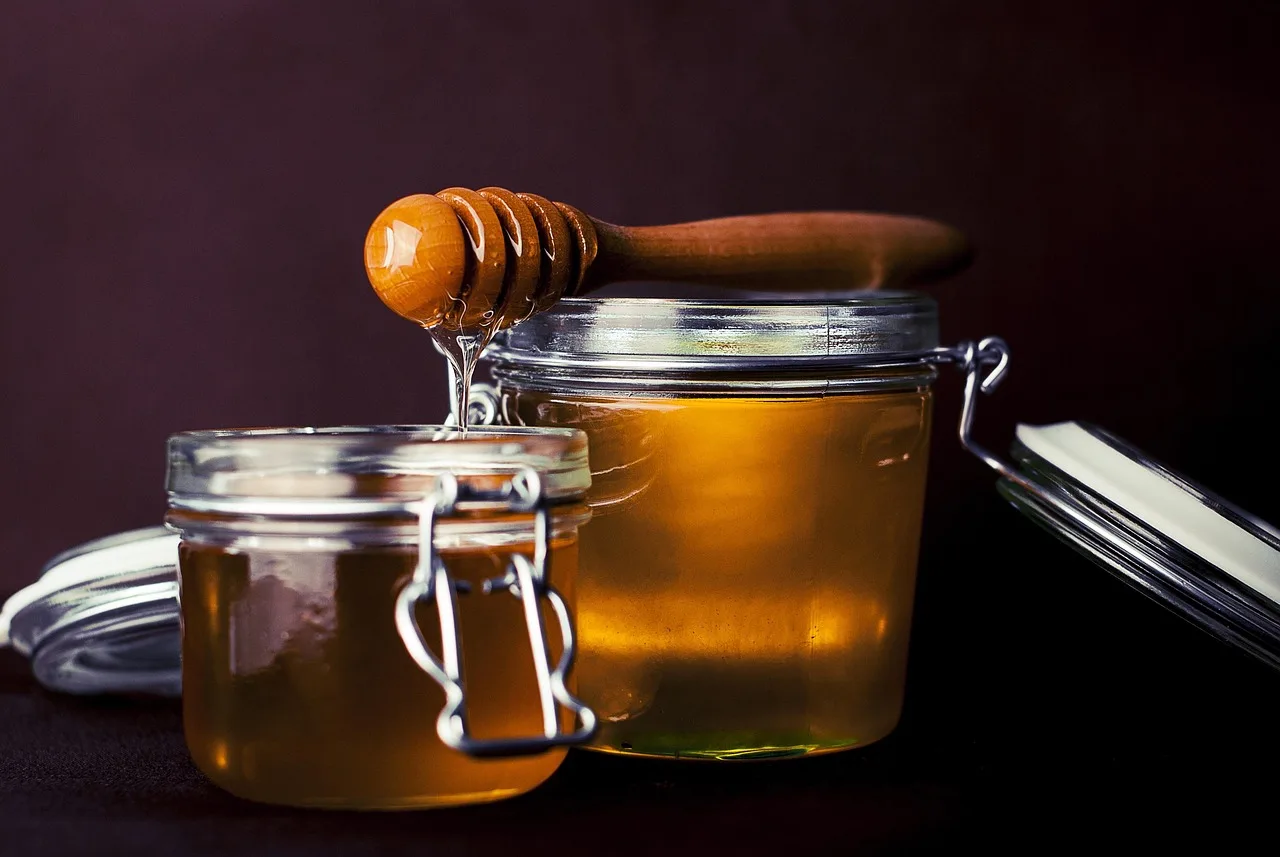
Honey often sits beside jams and pickles on the preserved-food shelf. Colorado State University's food source information on honey illustrates how a premium natural product carries risks price does not resolve. Bacterial growth is limited in honey by its low water content and high acidity, around pH 3.9.
Honey can contain toxins such as grayanotoxins and pyrrolizidine alkaloids, which bees bring from other plants. Its commercial supply chain runs through beekeepers, then separate processors and packagers.
As of June 2020, only one US foodborne outbreak had been tied to a honey-containing product: a 2018 cereal contamination with Salmonella that caused 135 cases across 36 states.
Expensive honey is not automatically purer, and cheap honey is not automatically adulterated. In the United States, honey is a food under FDA rules: the label has to be truthful, and importers must verify their foreign suppliers. The label and the supply chain answer that question; the price does not.
Where cheap is completely fine
| Item | Verdict on price |
|---|---|
| Canning or pickling salt | Cheapest is correct |
| Vinegar labeled 5 percent | Buy on the number, not the price |
| Plain shelf-stable kraut | Judge on taste and ingredients |
| Refrigerated live ferment | Costs more for real logistical reasons |
| Health-claim products | Premium buys a claim, not evidence |
The first two rows come down to a standard rather than a brand. Canning and pickling salt is plain salt, without iodine or anti-caking agents, and the National Center for Home Food Preservation's canning guidance assumes vinegar with 5 percent acidity. Shop on those numbers and the cheapest box is the right one.
Spend on the thing you will notice
Buy the expensive jar when the ingredient list is genuinely different or the storage is genuinely live. When neither is true, you are paying for logistics. The questions worth asking before you pay are on the label and the shelf, not on the price tag.