Costs
What fermentation supplies are for, and which ones you can skip: the parts worth your time
A shopping list built from what the tested directions actually require, separating the jars and lids that carry safety from the accessories that carry margin.
What to take away
- Fermentation supplies cost varies by region and season, so this page gives relative cost tiers rather than invented dollar figures.
- Canning lids are single use. Bands are reusable while free of rust and dents. That distinction is the most common expensive mistake.
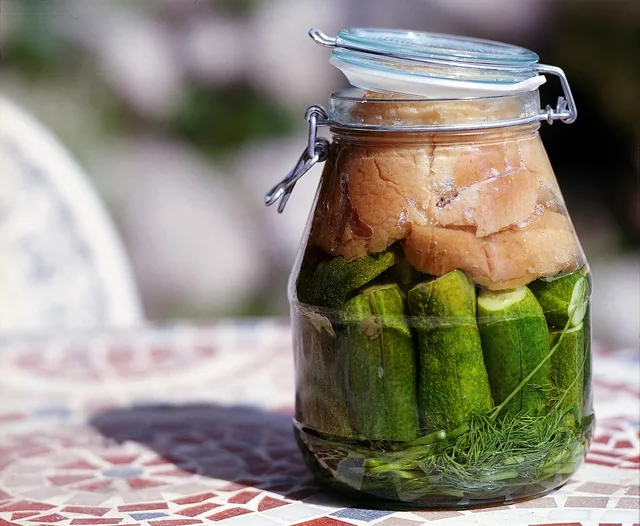
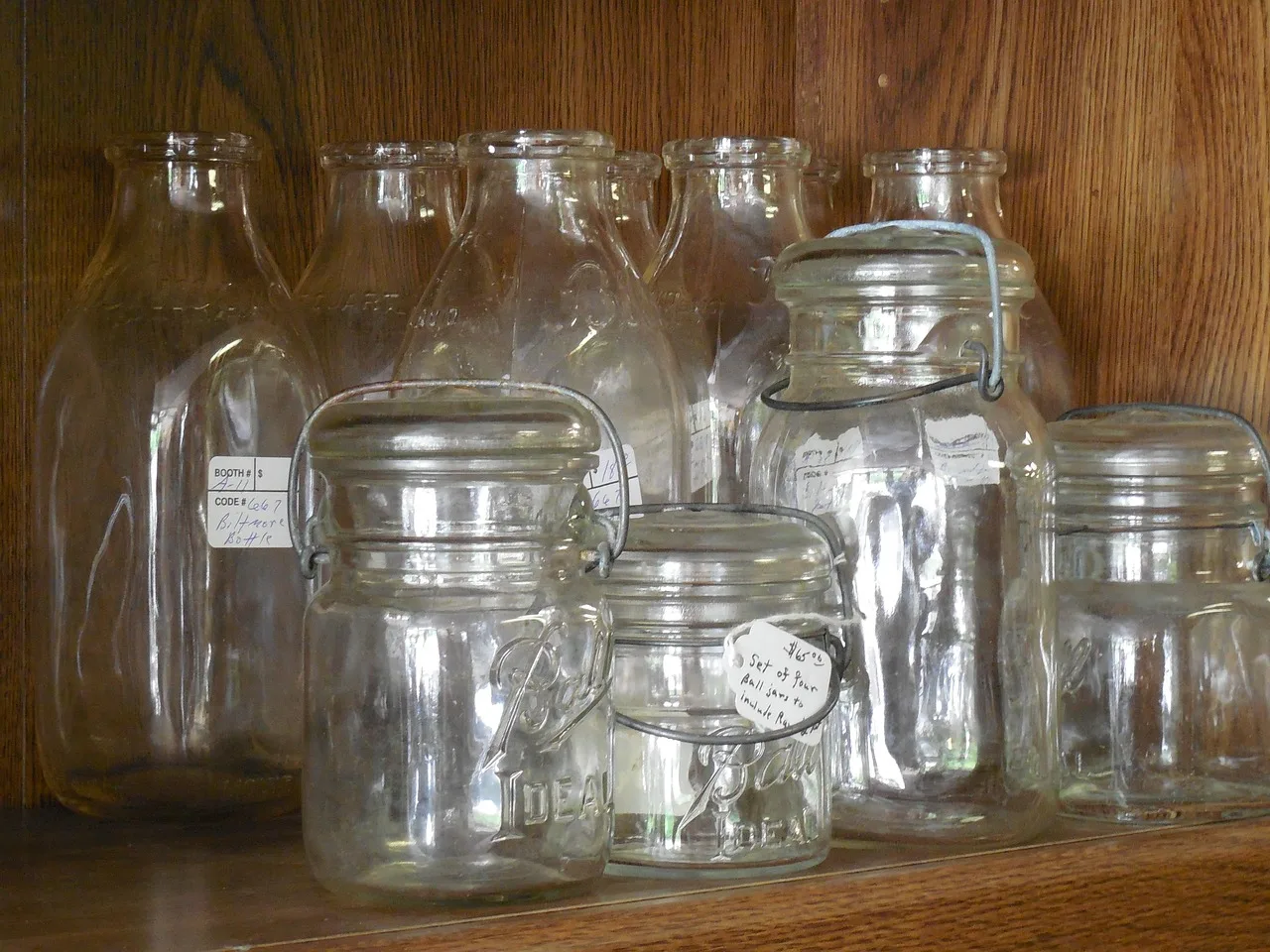
- Jars with rubber gaskets and wire bails suit fermented or refrigerated food but are not for canning.
- Half-gallon jars are only recommended for very acidic juices, so buying them for kraut storage limits what you can do with them.
The list, sorted by whether you need it
Everything below is sorted by what the tested directions actually call for. The table lists each item with its status and cost tier; the sections that follow explain what each supply does, what fermentation supplies cost really depends on, and which ones you can skip.
| Item | Status | Cost tier |
|---|---|---|
| Canning or pickling salt | Required for fermenting | Low, recurring |
| Vinegar at 5 percent acidity | Required for fermented dills and quick pickles | Low, recurring |
| Digital scale reading grams | Effectively required | Medium, one-time |
| Thermometer | Effectively required | Low, one-time |
| Food-grade vessel and weights | Required | Medium, one-time |
| Two-piece lids and bands | Required for canning | Low per lid, recurring; bands one-time |
| Airlock lid | Useful, not required | Low, one-time |
| Ceramic crock | Useful at scale | High, one-time |
| Starter culture for vegetables | Not used by tested directions | Low, skippable |
What each supply is for
- Canning or pickling salt.Pure salt with no iodine or anticaking agents, so brines stay clear and vegetables keep their color.
- Vinegar at 5 percent acidity.The standard strength for pickling and canning brines. Weaker vinegar does not preserve safely, whatever it tastes like.
- Digital scale that reads grams.Salt is the one ingredient where guessing shows up in the jar. Weighing salt and vegetables instead of measuring by volume is how you repeat a batch; most tested recipes give salt as a percentage of the total weight.
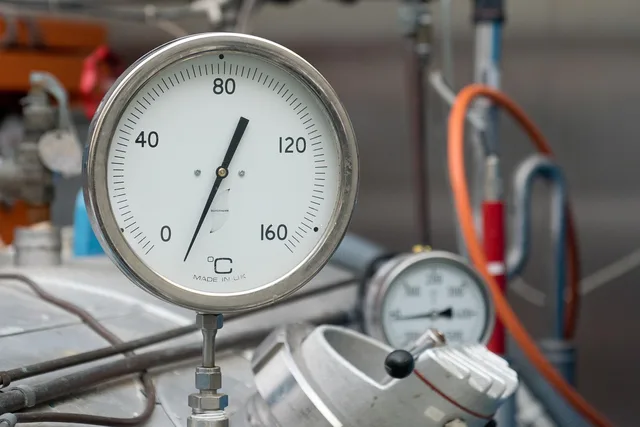
- Thermometer.Ferments move faster in a warm room and stall in a cold one. A thermometer tells you which one you have, so you adjust time instead of guessing.
- Food-grade vessel and weights.The vessel holds the vegetables; the weights hold them under the brine, where lactic acid bacteria work and mold cannot reach.
- Two-piece lids and bands.The flat lid makes the seal and the band holds it in place during processing. Both fit standard Mason jars.
- Airlock lid.A one-way valve that lets carbon dioxide out and keeps air out, so you burp the jar less and see less surface mold.
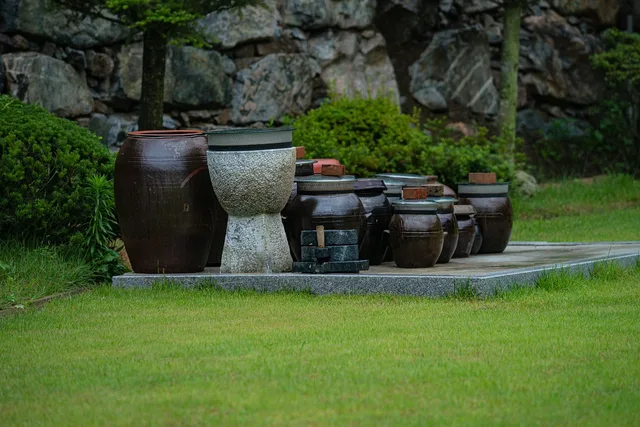
- Ceramic crock.A large, opaque, heavy vessel for bulk ferments. It holds temperature steadier than thin glass and takes a fitted weight.
- Starter culture for vegetables.A measured dose of lactic acid bacteria that starts a batch quickly and predictably.
Most of these are cheap and durable; the flat lids are the part you buy again.
What you can skip
- Starter culture.Vegetables carry their own lactic acid bacteria on their skins. A culture is a head start, not a requirement, and it is the easiest line to leave off a first order.
- Airlock lid.A jar with a loose lid, or a cloth held by a band, does the same job. An airlock is convenience, not safety.
- Ceramic crock.A food-grade jar and a weight make the same ferment in a smaller batch. Buy the crock once you know how much you actually make.
- Extra jar sizes.Buy the sizes your recipes name instead of a mixture, because process times are written for specific sizes.
Everything else on the list carries either safety or repeatability, which is why it is not here.
What drives the cost, and when to buy
Fermentation supplies cost what they cost because of jars and vessels, lids, and timing. Regional prices and seasonal sales decide the rest.
Jars and vessels are one-time buys, with the widest spread between discount retail and specialty glass. Salt and vinegar are low each year. Lids are the recurring line: flat lids seal once and must be replaced.
Buy jars and lids in late summer or early fall, when canning stock peaks and harvest sales clear shelf space. For 2027, plan on the same pattern: no single national price, just those drivers.
The parts that carry safety
Illinois Extension's page on canning equipment sets out the rules that decide whether your money is well spent. Use self-sealing lids as part of a two-piece system: the flat lid makes the seal and is safe to use once, while rings may be reused as long as they are free of rust, dents, or other damage.
The national reference behind these rules is the USDA Complete Guide to Home Canning, maintained by the National Center for Home Food Preservation. State extension pages such as the one above build on it, so the two agree on what is safe.
Use glass jars designed for home canning, with screw threads on the outer perimeter. Jars with rubber gaskets are typically safe for fermented or refrigerated foods but not for canning. Jars may be reused but become brittle, scratched, or chipped over time.
That page also gives the sterilizing rule people miss: for products processed in a canner for less than 10 minutes, use sterilized jars, bands, and lids, sterilized by boiling for 10 minutes.
Jars: what to buy and what to avoid
Oregon State University Extension's guide to jars, lids, and canners adds the detail on jar sourcing. Standard Mason-type jars come in half pint through half gallon, and half gallon jars may only be used to can very acid juices.
Commercial pint and quart mayonnaise or salad dressing jars may be used in a boiling water canner but not in a pressure canner, and they fail or break more often than standard Mason jars. Antique jars with wire bails and glass caps, or zinc porcelain-lined caps, are no longer recommended because they often fail to seal.
Scale and hard-water film come off by soaking jars for several hours in a solution of 1 cup of vinegar per gallon of water.
Where the recurring cost actually is
Lids. Everything else in a fermenting kit lasts years, and the vegetables are cheap. Budget by the season rather than the jar, and buy lids in the size you actually process in.
Count flat lids against the jars you fill, not the jars you own: a lid that has sealed once is done. Buy them in the pack size you process in a season, and match your weights to the mouth of the jars you already have.
Label checks: reading supply labels cover what to check before paying, and the guide to tasting what supplies change covers which differences you can actually detect.
Common questions
Can I reuse canning lids?
Are old bail-top jars usable for fermenting?
Do I need a separate jar size for every recipe?
Is a dedicated fermentation crock worth buying first?
In this guide
- Which fermentation supplies actually change how a finished jar tastes?Fermentation supplies tasting: which supply choices you can actually taste in a finished jar, which ones only show up as faults, and which differences are not yours.
- Fermentation supplies businesses may need for canningFermentation supplies businesses may need include pH meters, buffers, batch records and testing; home cooks can follow tested recipes and use basic equipment.
- Using leftover fermentation brine as a seasoning, not a preservativeLeftover brine is a good seasoning and a bad preservative. What you can do with it in the kitchen, and the line you should not cross with it.
- Four labels decide whether a fermentation batch actually worksFour labels decide whether a batch works. What to check on each one before you pay, and the claims on packaging that carry no weight at all.
- Fermentation supplies list and ferments that travel as giftsThe fermentation supplies a batch needs, from crock or Mason jar to plate weight, towel cover and pickling salt, and which home ferments can travel as gifts.