Reviews
Part of Small batch fermenting: how it works, from cabbage to jar
Buying produce for a single small batch fermentation, in the right order
Small batches change the shopping, not the standards. How to buy a jar's worth of produce well and decide the ending before you leave the shop.
What to take away
- Decide the ending first. A jar eaten live within a month tolerates more than a jar headed for the canner.
- Choose the variety before the price. Slicing cucumbers collapse in brine, and pickling types keep their bite.
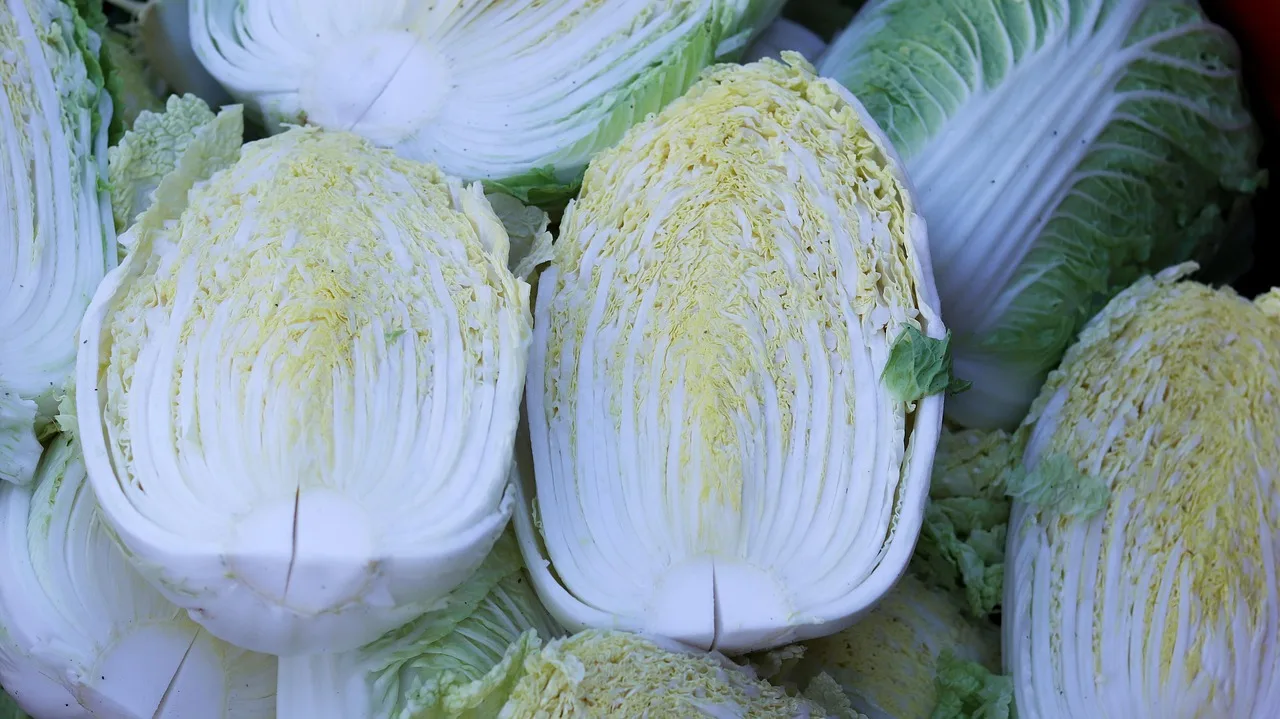
- Buy by weight. One quart of packed kraut takes about two pounds of shredded cabbage.
- Run the four freshness checks at the stall before you pay.
- Stay small. Two pounds of good produce beats twenty pounds of average.
The buying order, step by step
The order matters more than any single rule, because each decision narrows the next. Knowing whether the jar will be eaten live or canned decides how fussy you must be at the shop.
Decide the ending first
What is the intended use?
Live jar within a month -> broader produce range
Jar to can -> buy to full produce standards
- Name the ending.A live jar for the fridge, or a jar for the canner. Canned jars run a fixed process time, so the produce is the last thing you still control.
- Pick the method and its variety.Fermenting wants firm, dense types. Freezing suits some vegetables and ruins the texture of others.
- Set the quantity from the jar.Volume and pack density decide the weight you buy.
- Judge freshness last.With variety and quantity settled, a bargain crate cannot talk you off your list.
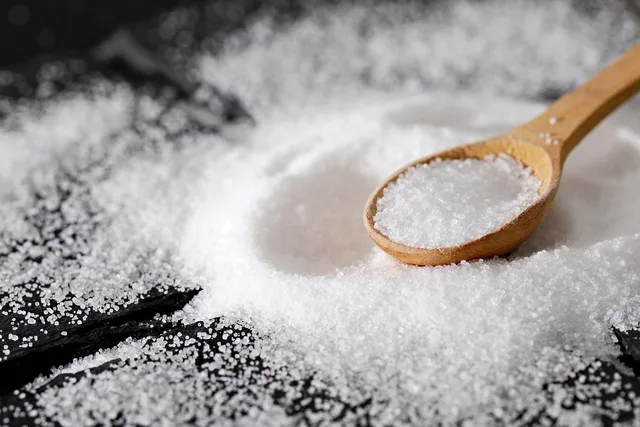
- Check the salt.Non-iodized salt with no anti-caking agents or additives.
Small batch buying order
- Method firstferment, freeze, can, dry
- Variety secondsuited to that method
- Condition thirdfirm, unblemished, not overripe
- Quantity lastwork backward from the jar
A jar you plan to can should meet the same produce standards as any home fermentation starting point, because heat will not repair a soft cucumber.
How much produce one jar takes
Weights here are typical, not fixed, because pack density changes with how finely you shred and how hard you press.
| Vessel | Ferment | Buy this much | Salt |
|---|---|---|---|
| 1 quart | Sauerkraut | 2 to 2.5 lb cabbage | 18 to 34 g |
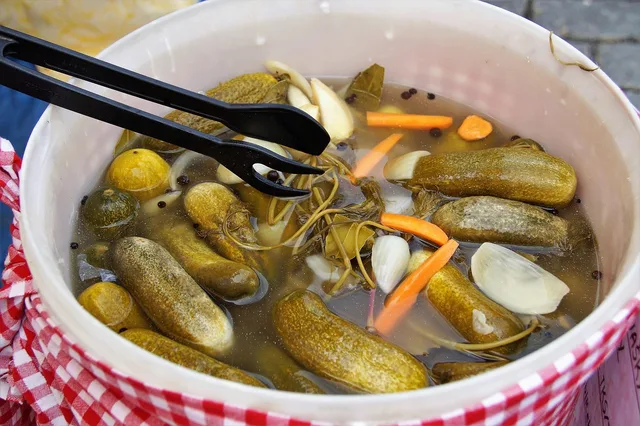
| 1 quart | Dill pickles | 1.5 to 2 lb pickling cucumbers | 2 to 3 percent brine |
| 1 quart | Carrots and mixed vegetables | 1.5 to 2 lb trimmed | 2 percent brine |
| 1 pint | Pepper mash | 1 to 1.5 lb chilies | 2 to 3 percent of weight |
Cabbage salt sits at 2 to 3 percent of the vegetable's weight, the standard sauerkraut range, weighed rather than judged by eye. Cucumbers go into brine instead, and the tested fermented dill pickle procedure is the one to match.
Packing and the wait that follows are covered in the small batch process guide.
Varieties that hold up in a jar
Cabbage for kraut: late storage types such as Premium Late Flat Dutch and Dutch Flat, which slice thin and hold water. Early types such as Early Jersey Wakefield give smaller heads.
Cucumbers: Kirby, National Pickling, Boston Pickling, Calypso, County Fair. Buy them 1 to 1.5 inches across and 3 to 5 inches long for whole pickles.
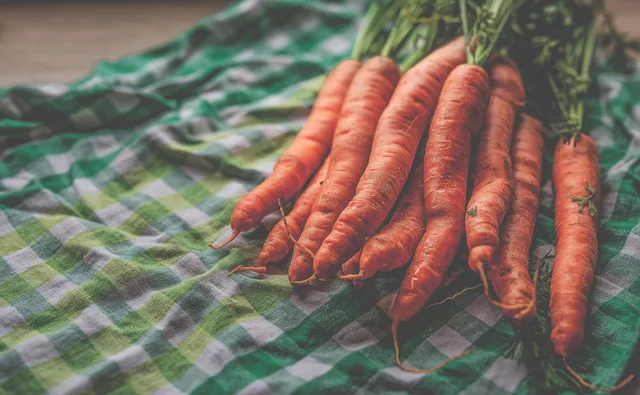
Carrots: Nantes, Danvers, Chantenay. Peppers: jalapeño, serrano, Fresno, cayenne, Hungarian wax.
Good flavor does not rescue a soft variety, and the wrong pick shows up weeks later in the jar.
Freshness checks you can run in the shop
- Heftpick it up. Produce that feels light for its size has lost water.
- Firmnesspress the stem end. Any give means the middle is already going.
- Stemgreen and tight on cucumbers and peppers. A shriveled stem is days old.
- Skintaut and glossy, with no wrinkles and no soft dark patches.
- Smellclean and green. A musty or boozy note means it is already fermenting on the shelf.
- Snap test: bend a pickling cucumber. A fresh one snaps, a slack one bends and will soften in brine.
Reject mold, insect damage and sunken spots at any price. A bending cucumber has already lost the cell structure that crunch depends on, and the guide to texture in a vegetable ferment explains why that shows up later in the jar.
Peppers and the routes that change the buy
Penn State Extension sorts peppers by preservation route, and its guide to preserving garden peppers is worth reading before the stall. Blanched peppers suit cooking: halves for 3 minutes in boiling water, strips and rings for 2 minutes.
Peppers frozen raw and unblanched keep a crisper texture and suit uncooked use. Pimientos are roasted at 400 to 450 F for 6 to 8 minutes, until the skins rub off.
Wear gloves for hot types, and wash your hands with soap before touching your face.
The small-quantity trap
| Temptation | Why it costs you |
|---|---|
| Buying the large bag because it is cheaper | Half of it deteriorates before you reach it |
| Substituting a slicing cucumber | Texture collapses in brine |
| Buying salt by brand rather than type | Anti-caking agents cloud the brine |
| Skipping the variety question | Some varieties simply preserve badly |
A two pound bag of cut beans at a low price is not a ferment waiting to happen. Buy the amount the jar holds and no more.