Reviews
Part of Fermentation Jars Comparison: 5 Vessel Differences
Fermentation Jars Retail: Stocking Canning and Ferment Gear
Fermentation jars retail shelf guidance for shops stocking canning jars, lids, canners, fermentation weights, and airlock hardware.
What to take away
This fermentation jars retail shelf guide covers both sides of the shelf: home canning jars, lids, and canners first, then fermentation weights and airlock hardware.
- Stock regular and wide-mouth Mason-type threaded jars. The standard mouth is about 2-3/8 inches, wide mouth about 3 inches.
- Lid gaskets work well for at least 5 years from date of manufacture. Rotate old stock rather than discounting it forever.
- Half-gallon jars are for canning very acid juices. Say so at the shelf, not at the till.
- Stock both canner types and explain the differenceboiling water for acid foods, pressure for low-acid.
Glass: the sizes that matter
The National Center for Home Food Preservation's guidance on recommended jars and lids is the sheet to hand to a new staff member. Regular and wide-mouth Mason-type threaded home canning jars with self-sealing lids are the best choice.
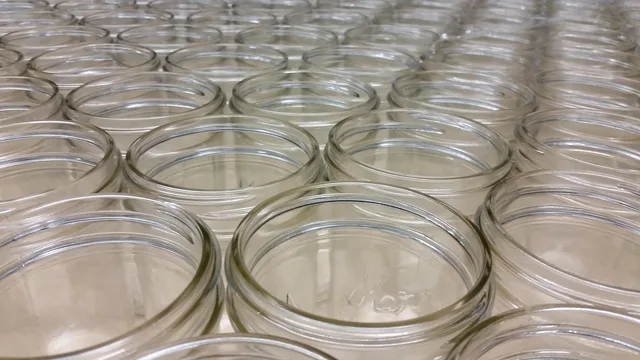
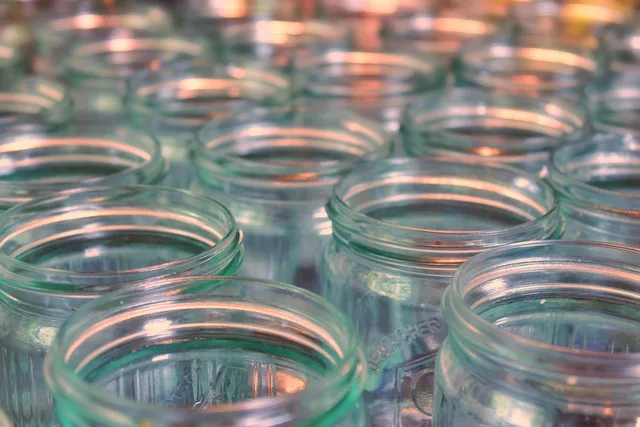
They come in half pint, pint, 1-1/2 pint, quart, and half gallon. Wide-mouth openings of about 3 inches make jars easier to fill and empty. With careful handling, Mason jars may be reused many times, needing only new lids.
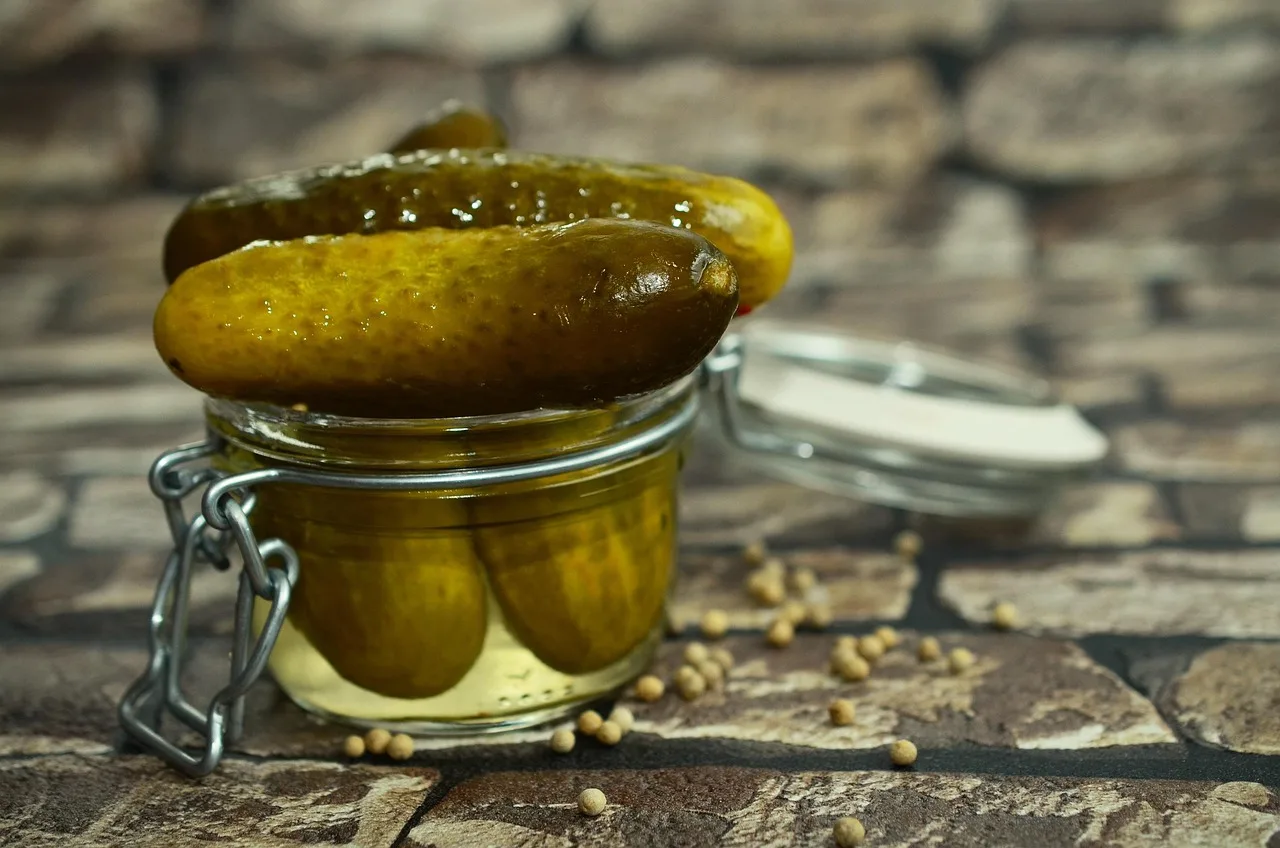
These are canning jars. A fermentation jar is a different purchase: it needs headroom for brine and a closure that lets gas escape.
Commercial mayonnaise or salad dressing jars may take new two-piece lids for canning acid foods, with more seal failures and breakage.
Do not pressure can them, and other commercial jars whose mouths cannot take two-piece lids are not recommended for home canning at all.
Lids: rotation and sizes
Lids are single-use; bands are not. Stock replacement lids ahead of extra bands, and date the boxes when they arrive so the oldest sell first.
- Two-piece lids in every jar size stocked
- Bands sold separately for customers replacing rusted ones
- Wide-mouth and regular in the same sizes
- Jar lifters, funnels, and headspace tools as a set
- Replacement gaskets for the canners on the shelf
Weights and airlock hardware
Fermentation weights hold the vegetables under the brine. Glass weights are the easiest to clean and to resell. They come in diameters sized for wide-mouth and regular-mouth jar openings, so stock both and put the diameter on the shelf card.
Springs and silicone followers press a disc down inside one jar size. They sell beside the weights, not instead of them.
Silicone lids with a one-way valve let gas out and keep air and insects out. A three-piece airlock needs a grommeted lid or a drilled stopper, so stock the lid, grommet, airlock, and stopper as one kit.
Measure the inside diameter of the jar mouth and the width of the crock; that is the size to order. A brine-filled zip bag is the free substitute customers ask about, so sell both.
Canners: what to stock and what to say
The National Center's page on recommended canners gives staff the answer to the question they will be asked most: low-acid foods must be processed in a pressure canner to be free of botulism risks.
Pressure canners can also process acid foods, but boiling water canners are recommended because they are faster. A pressure canner takes 55 to 100 minutes for a load. Most acid foods in boiling water take 25 to 60 minutes total.
The guide also gives shelf-card fitting advice. A boiling water canner must cover jar tops with at least 1 inch of briskly boiling water.
It needs a flat bottom on an electric range, and the canner should be no more than 4 inches wider than the element; pressure saucepans with smaller capacities are not recommended for canning.
Check the National Center's site for updates before you print a shelf card, and your state Extension office for anything local.
A first order, in priority order
Order the first stock in this sequence:
- Wide-mouth quart and pint jars, with lids and bands.
- Regular-mouth pint and half-pint jars, with lids and bands.
- Jar lifters, funnels, and headspace tools.
- A boiling water canner, then a pressure canner.
- Glass weights in both mouth sizes.
- Airlock kits, spare gaskets, and extra bands.
Quantities depend on counter traffic and shelf depth. A typical first order runs in cases, not pallets: a few cases per jar size you can display, one case of lids per size, and single boxes of tools and weights.
What to keep off the shelf
Antique bail-top and zinc porcelain-lined caps for canning. Single-piece lids. Old lid stock with no date on the box.
Our comparison of fermenting vessels covers the crock side of the same counter, and the stocking checklist for fermentation projects covers the salt, vinegar, and canner parts customers ask about together.