Reviews
Part of What the documented botulism cases actually show
Serving home ferment dishes to guests without passing on the risk
Serving home-preserved food to other people: a guest cannot check your process, so the burden sits with you. What to serve, what to keep for yourself.
What to take away
- Lightly salted and smoked fish is not a preserved product. The salt and smoke are not enough to prevent bacterial spoilage.
- Traditional jerky drying at about 140 to 155 F does not kill pathogens present in the meat.
- Serve the things you made to a tested process. Keep the experiments for yourself.
- Those tested processes are written downthe USDA Complete Guide to Home Canning, the National Center for Home Food Preservation, or your state cooperative extension.
- A guest cannot assess your process, so the burden of proof sits entirely with you.
- Mold, slime or a rotten smell means the jar is discarded, not served.
The asymmetry at the table
You know whether the kraut was weighed, whether the room ran hot, and whether the jar was processed. Your guest knows none of that and cannot ask without being rude. That asymmetry is the whole ethical content of serving home-preserved food, and it is why the sensible policy is to serve only what you would be comfortable describing in detail.
Two things that look preserved and are not
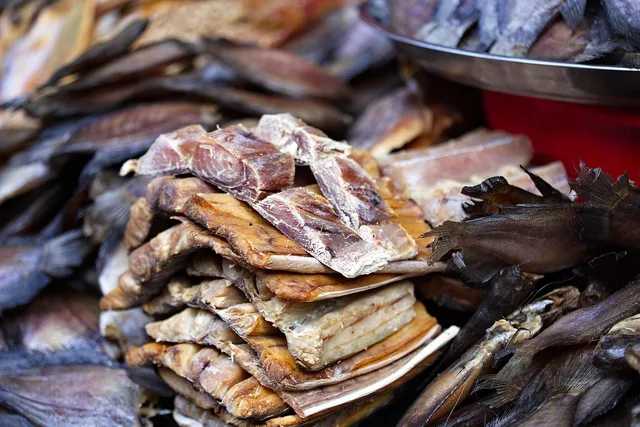
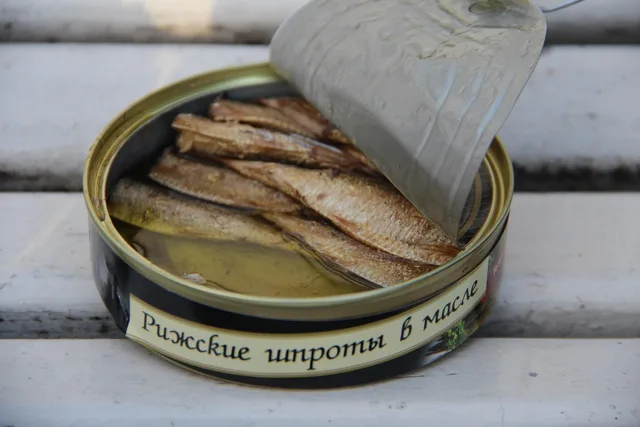
The University of Alaska Fairbanks Extension guide to smoking fish at home is direct about a food people treat as shelf stable. In earlier times smoking was a form of preservation, using large amounts of salt and long smoking times.
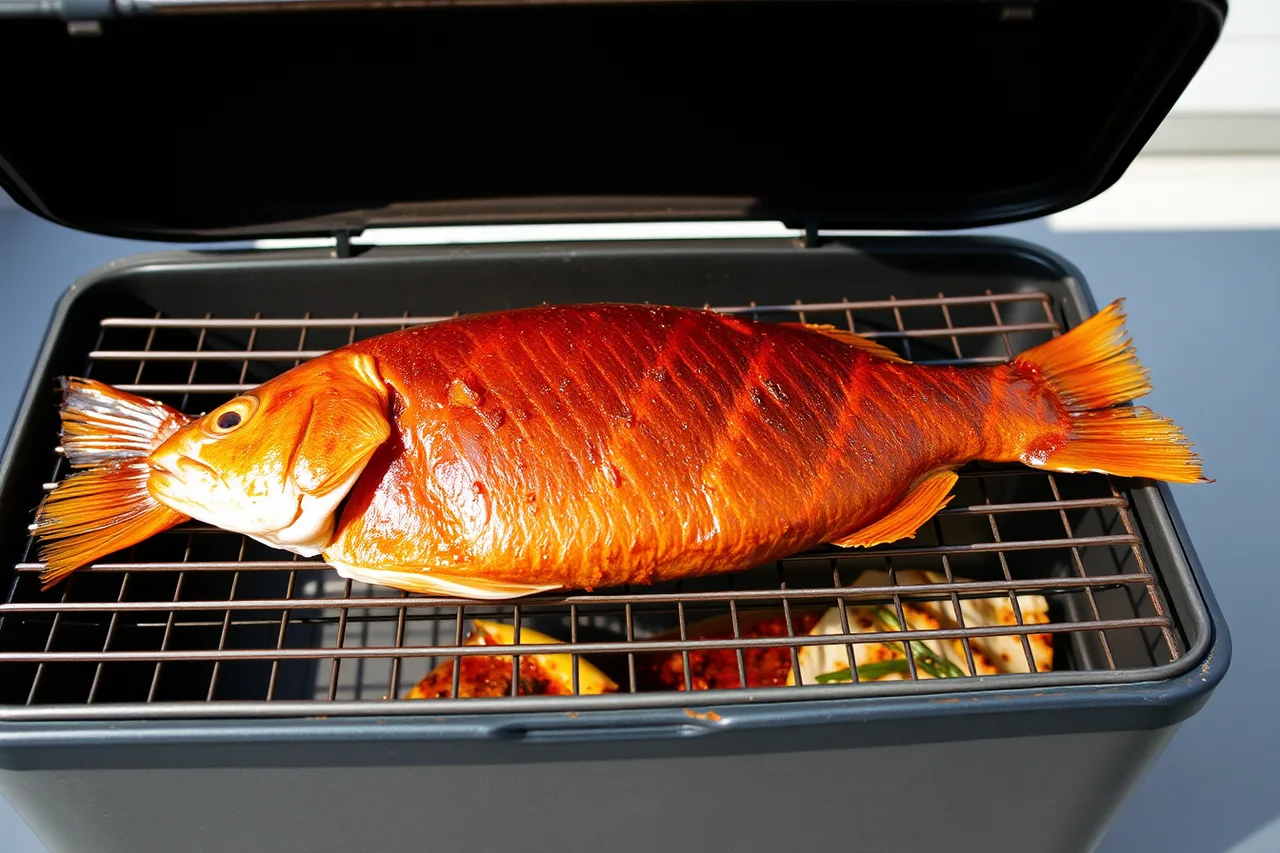
Today fish is smoked more for flavor and appearance, while lightly salted and smoked fish is not a preserved product. The amounts of salt and smoke used are not sufficient to prevent bacterial spoilage.
Most food poisoning bacteria can and will grow under the conditions normally found when preparing and storing smoked fish. Clostridium botulinum is the most harmful of these.
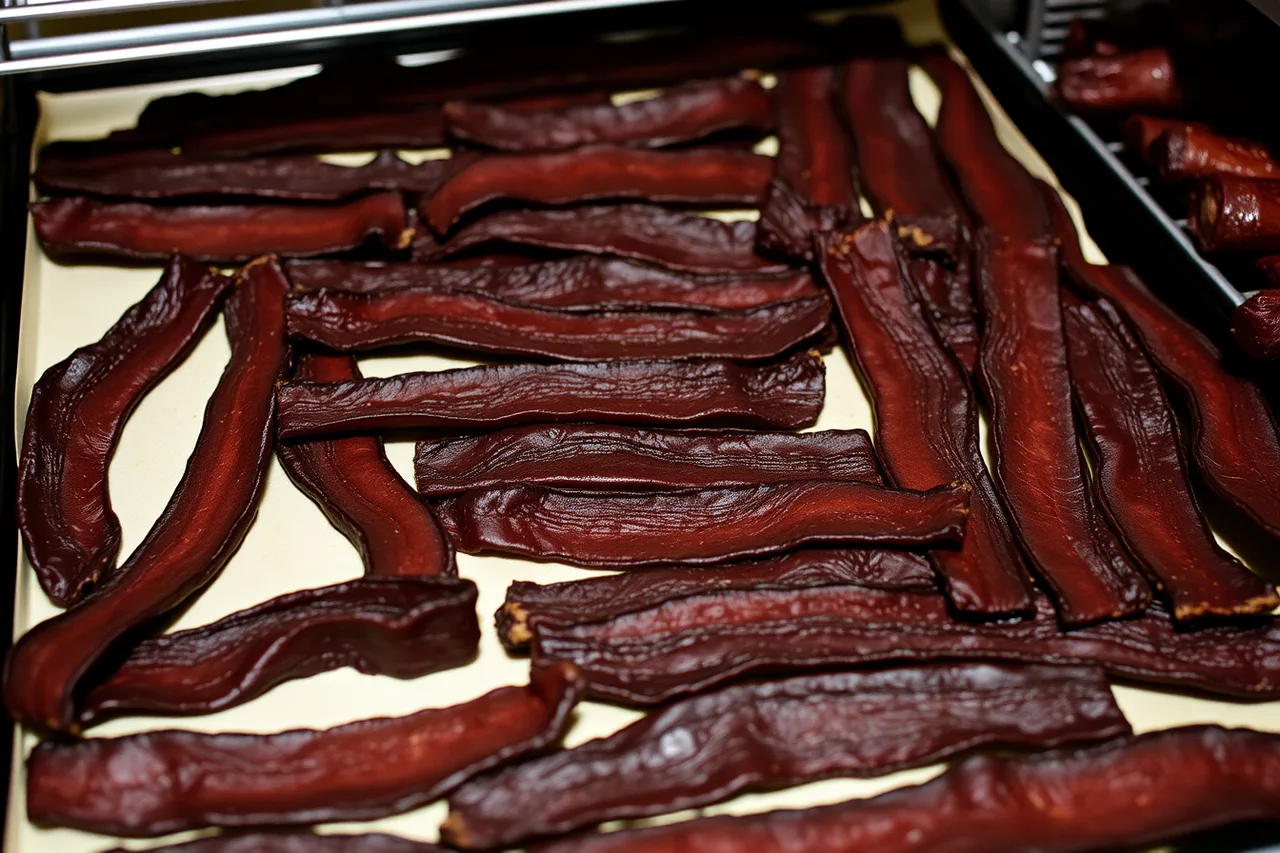
Jerky is the second. Oregon State University Extension's publication on making jerky at home safely states that traditional jerky preparation, in which raw meat is dried at about 140 to 155 F, will not kill pathogens present in the meat. It describes techniques that make jerky safe to eat instead.
Both foods carry the appearance of preservation without the mechanism. That is exactly the kind of item not to hand to a guest on the strength of tradition. The same gap between appearance and mechanism shows up in home ferment case studies: the jars that cause trouble are usually the ones that looked and tasted perfectly normal.
What to serve
Serve with care
- Kraut and dills from tested recipes
- Home-canned high-acid products you processed
- Refrigerated quick pickles, dated
- Smoked or dried items made to a safe method
- Commercial ferments
- Gifts from other home preservers, if you know how they were made
Keep for yourself
- Kraut and dills from tested recipes
- Untested ferments and improvised recipes
- Refrigerated quick pickles, dated
- Anything you cannot describe the process for
- Commercial ferments
- Anything past its window
When a ferment has gone wrong
Most spoiled jars announce themselves. Mold, slime and a rotten smell are the easy calls, and they are the reason you look before you serve.
- Fuzzy mold, whether green, blue, black or white and furry, means discard the whole jar. Do not scrape the surface and keep what is underneath.
- A thin, flat white film that is not fuzzy is kahm yeast. It is not harmful, but it means the ferment was exposed to air; skim it and keep that jar for yourself rather than putting it out for guests.
- Slimy texture, a rotten or fecal smell, or pink or black discoloration means discard it.
Botulism is the one risk that does not announce itself. It leaves no smell, taste or visible sign, and the USDA and the CDC treat low-acid home-preserved food as the category to watch, which is why the tested processes exist.
Once a jar is open and out on the table it is a perishable food again. Put out only what you expect people to eat, keep the rest in the refrigerator, and never tip leftovers back into the storage jar. If you are unsure about a jar, discard it; uncertainty does not get resolved at a shared table.
Pairing, in the ordinary sense
Once the safety question is settled, the pairing is easy and worth doing well. A live kraut next to rich pork. Fermented cucumber alongside oily fish. A spoon of kimchi in a rice bowl added off the heat. Smoked fish on bread with something acidic, eaten the day you open it. Jerky as a snack, not as a centerpiece.
Keep the ferment on the side rather than folded through, so people can take as much or as little as they want. Salt tolerance varies more than people admit.
What to say when you serve it
Say what it is, when you made it, and how it was kept. That is no disclaimer; it is what a guest would ask if asking were easy.
Our pillar on the documented cases covers why this care is proportionate. Garlic in oil is the one item here that should never sit out on a table: the oil seals out air and the garlic can carry Clostridium botulinum, so keep it refrigerated, use it soon, and do not give it as a gift. The notes on garlic in oil go further.
![500px provided description: Canning [#jar ,#tomatoes ,#canning]. Tomato Canning Jar Labels: What to Record and Why](/covers/what-labels-can-tell-you-about-home-ferment-case-studies-640.webp?v=73619010)