Features
Part of Small batch fermenting: how it works, from cabbage to jar
Small batch fermenting options: vary flavor, not process
Small batch fermenting options that teach you something: vary one kraut seasoning per jar, keep salt and vinegar as tested, and know which jars stay cold.
What to take away
- Small batches suit experimenting with flavor, not with process. Vary the seasoning, keep the acid and salt where the recipe puts them.
- Chutney works at jar scale because the low-acid ingredients in it are made safe by added vinegar, not by cooking alone.
- Hot peppers are a fine small-batch project and a genuine handling hazard. Wear gloves and keep the oil away from your eyes.
- Capsaicin sits in the membranes and seeds, so heat is adjustable by how much of those you leave in.
Kraut variations, one at a time
For small batch fermenting options, a quart jar is the right size to test a single change. Caraway, juniper, a handful of grated carrot, red cabbage instead of green. Make two jars from one prepared batch, change one thing, and you learn something. Make one jar with four changes and you learn nothing.
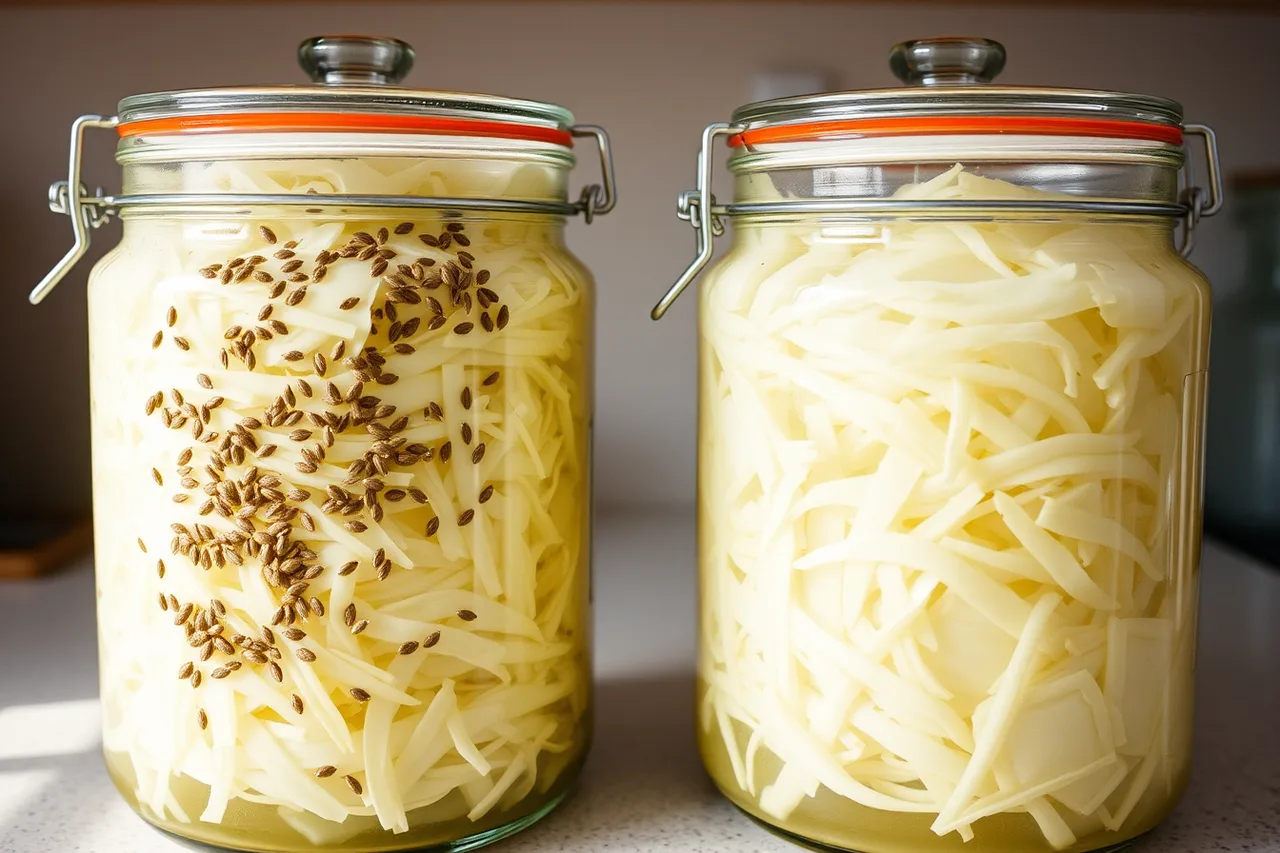
Keep the salt where the recipe puts it. Seasoning is the variable; salt is not. Take the cabbage and salt amounts from a tested small batch sauerkraut recipe, such as Oregon State University Extension's, which our guide "Small batch fermenting: how it works, from cabbage to jar" walks through, so both jars of a comparison start from the same tested amounts.
The equipment stays the same for every variation: a jar packed firmly, a weight that keeps the cabbage under its brine, and a lid or cover that keeps air off the surface. Change the jar or the weight between two jars and the comparison is no longer about the seasoning.
Know the signs that end any experiment. If a ferment becomes soft, slimy, or develops a disagreeable odor, discard it rather than tasting your way to a verdict.
Two small batch ferments with tested timings
Of the small batch fermenting options here, two are true ferments with tested home directions, and both fit a jar:
- Sauerkraut.At temperatures between 70 and 75 F sauerkraut will be fully fermented in about 1 to 2 weeks; at 60 to 65 F fermentation may take 2 to 3 weeks, and below 60 F it may not ferment. The seasoning variations above all start from this base.
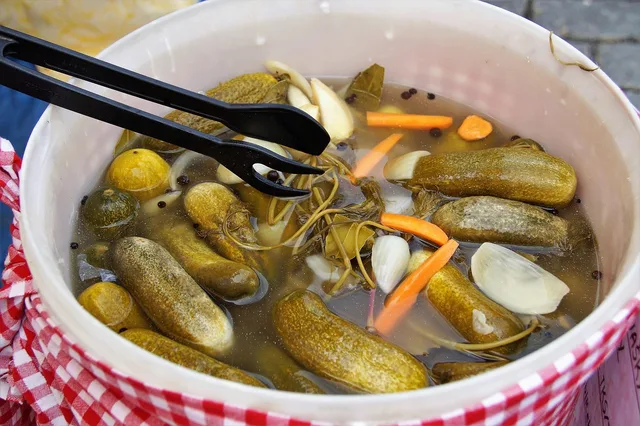
- Fermented dill pickles.Whole cucumbers in a salt, vinegar and water brine with dill, stored between 70 and 75 F for about 3 to 4 weeks while fermenting. They are slower than kraut because the cucumbers stay whole, so they suit a second jar running alongside a kraut test.
Everything else in this piece is either a cooked, acidified preserve (chutney) or a way to store peppers (freezing, drying, a refrigerated mash).
Chutney, and why it needs the vinegar
Penn State Extension's guidance on chutney explains the mechanism clearly; understand it before you improvise. Chutney is a relish-type condiment of fruits, seasonings, sugar, and vinegar. Like pickles, the low-acid peppers, onions, and seasonings in it must have added vinegar to make the mixture acid enough for safe canning. Use only research-based recipes for chutney that will be canned, and never reduce the amount of vinegar or lemon juice in a chutney recipe. For most chutneys a boiling water or atmospheric steam canning process is adequate, but chutneys with a high vegetable content may require a pressure process.
The acidity from the added vinegar and the natural fruit acids prevents growth of spoilage and pathogenic bacteria, molds, and yeasts. Cooking concentrates the mixture and lowers the available moisture microbes need, and it kills most organisms present. Processing the filled jars adds heat to kill anything that contaminated the product during filling and forms the vacuum seal.
Four things doing the work, and only one of them is the cooking. That is why an uncanned chutney is a refrigerated food. The flavor is where you can play: the fruit, the spice and the heat can change between batches, while the vinegar and the processing stay exactly as the tested recipe sets them.
Peppers at jar scale
| Project | How it ends |
|---|---|
| Kraut with one added seasoning | Refrigerated or canned by tested process |
| Chutney from a tested recipe | Boiling water canner |
| Frozen pepper strips or rings | Freezer |
| Fermented pepper mash | Refrigerated |
| Dried chilies | Dry storage |
Penn State's note on hot peppers gives the working detail. Capsaicin, the chemical that makes peppers hot, is concentrated in the membranes and seeds, so you can adjust the heat of a recipe by removing some or all of them.
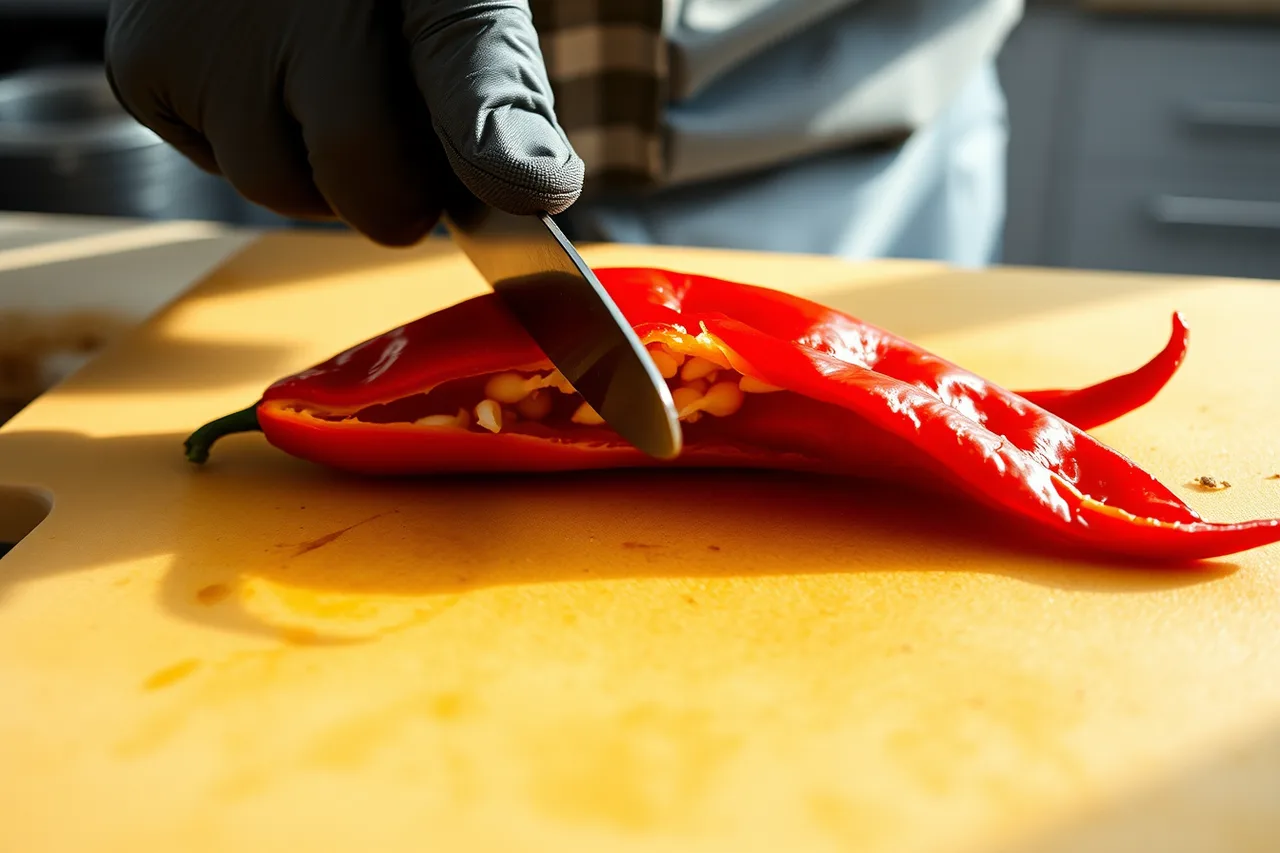
Small peppers generally carry more heat than large ones, and Scoville heat units measure the capsaicin present, with a bell pepper at zero. Wear gloves when working with hot peppers, protect your eyes, and wash your hands thoroughly with soap and water before touching your face.
Ideas that need a stop sign
A fermented pepper mash or hot sauce is a refrigerated product. Sourness is not evidence of a safe shelf-stable acid level, and there is no tested home process that turns a jar of fermented peppers into a pantry item. If you want something shelf stable from peppers, use a tested pickled or chutney recipe instead of adapting a ferment.
Our small batch process guide covers the mechanics and quantities, and the list of vegetable ferment ideas covers what stays inside tested directions.
Start small and repeat
Two quart jars, one variable, twice. That is a better use of a season than six different projects done once each, because the second run is where you find out whether the first result was real.