Features
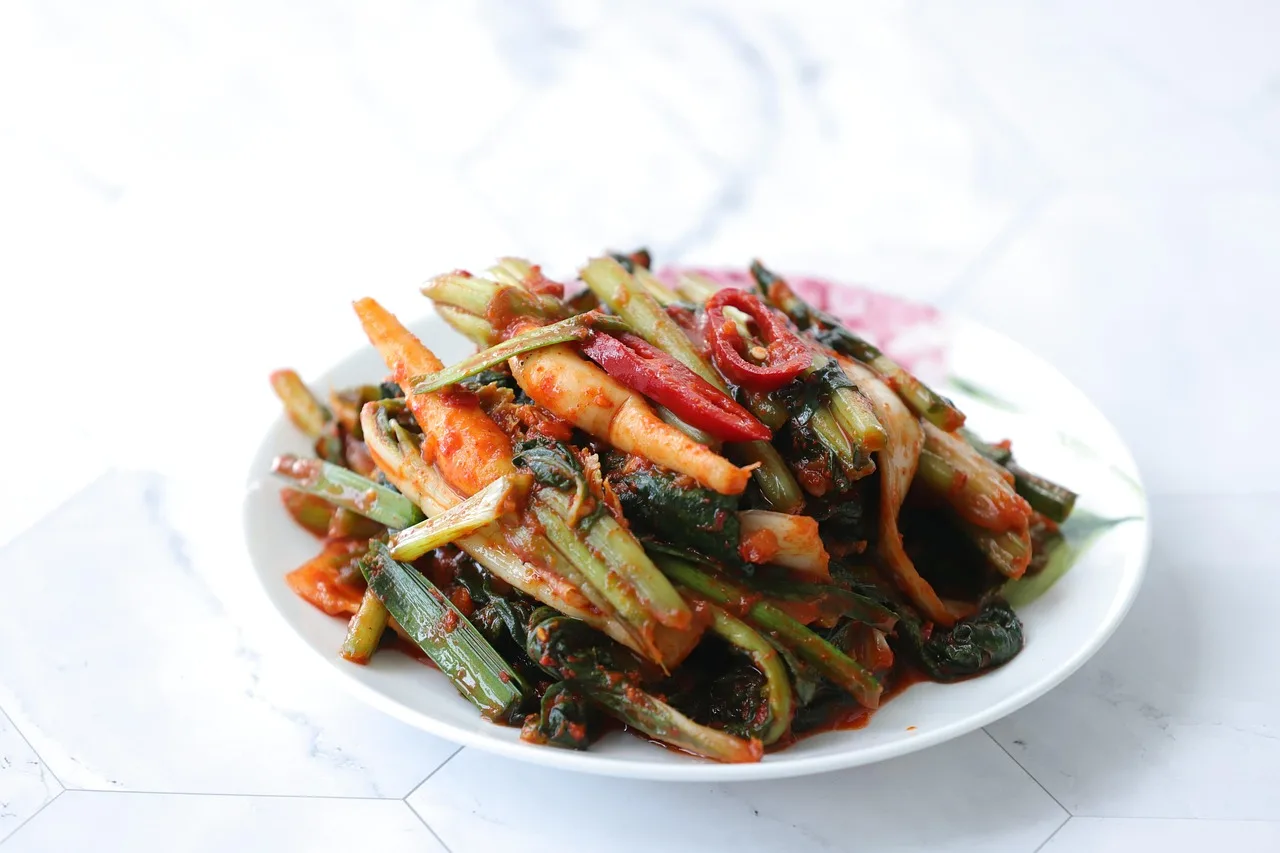
Part of Kimchi as the third vegetable ferment: short, then refrigerated
Vegetable ferment ideas options: flavors and cautions
Vegetable ferment ideas options for seasoning kraut, dill pickles, and kimchi, with pepper cautions, refrigerator guidance, and allergen reminders.
What to take away
- Looking for vegetable ferment ideas options? Vary seasonings, not salt or acid: spices are a flavor choice; salt and vinegar proportions are a safety one.
- Kimchi is the best route into fermented vegetables beyond cabbage and cucumber, provided it goes into the refrigerator on schedule.
- Peppers are low-acid and can cause botulism poisoning if preserved improperly. Treat them with more care than their size suggests.
- Check every recipe for allergens. Fish sauce, shrimp paste, sesame oil, and soy all turn up in fermented vegetable dishes.
Seasoning options for kraut and dill pickles
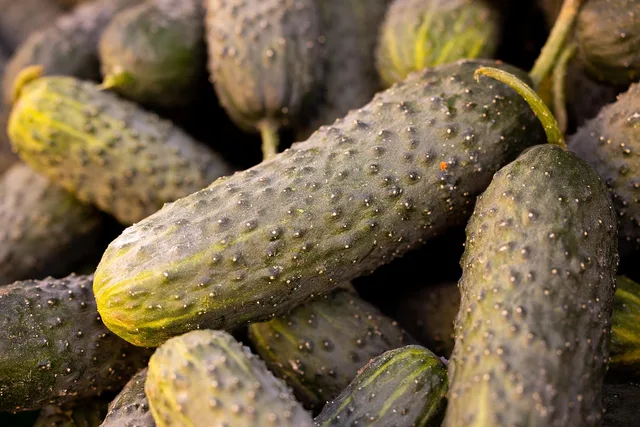
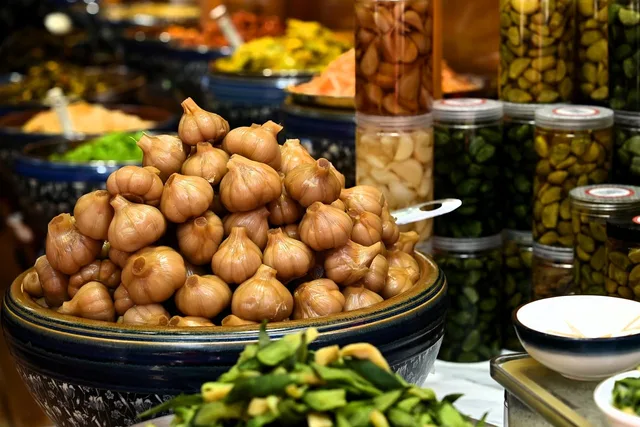
Fermented dill pickles already allow options: dill seed or dill heads, garlic cloves, dried red peppers, whole mixed pickling spices. Sauerkraut takes caraway, juniper, or dill without touching the salt. Mixing green and red cabbage changes color and, slightly, texture. Shredding thickness changes mouthfeel and how fast the ferment gets going.
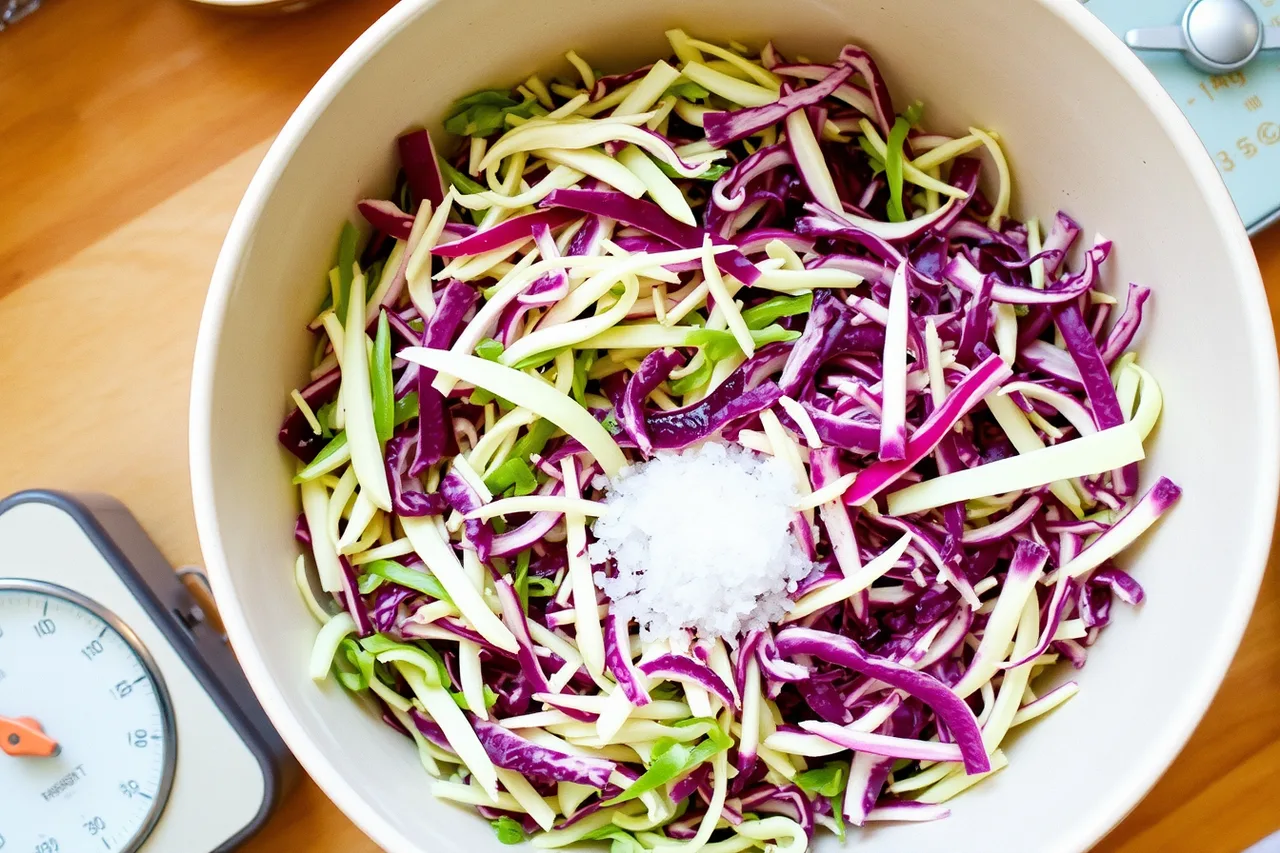
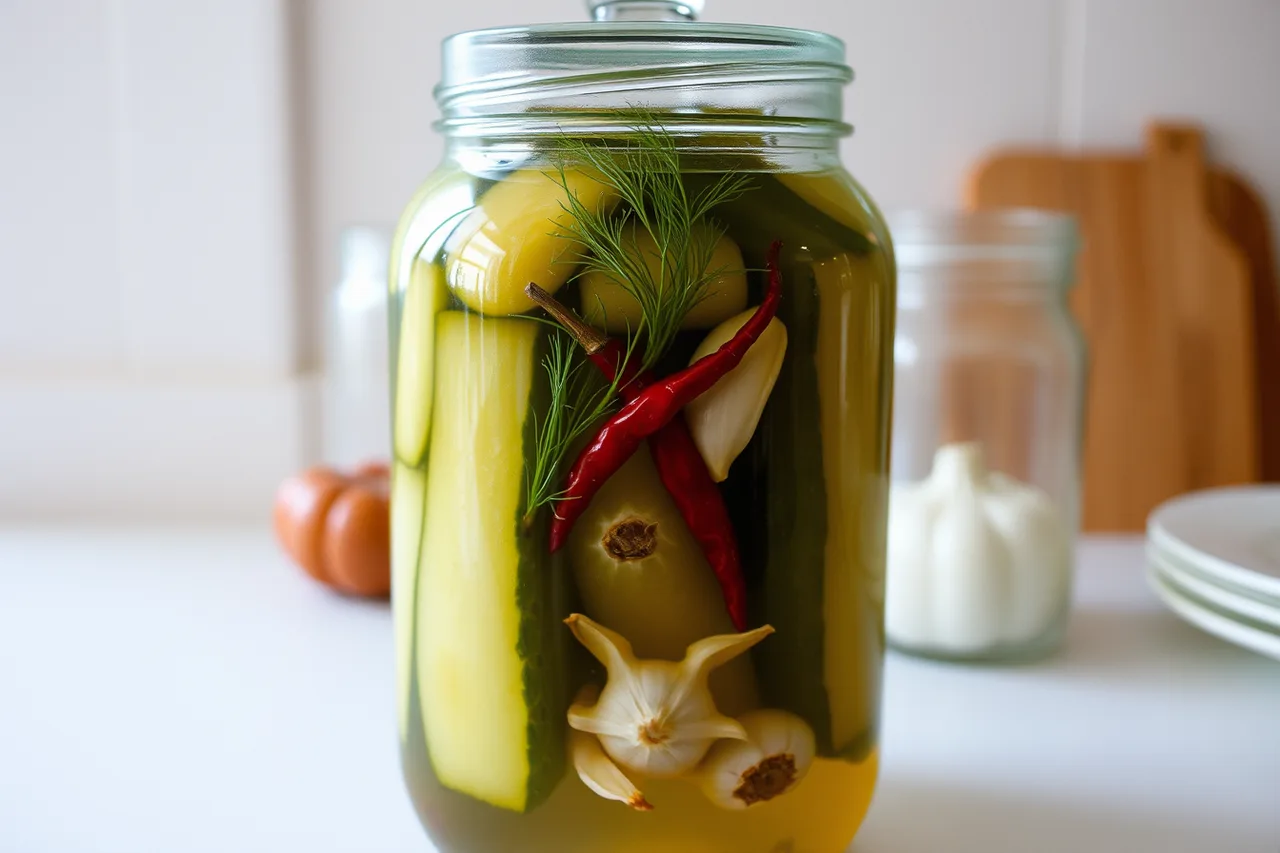
What you do not change is the salt weight, the vinegar acidity, or the brine proportions. Those carry the safety.
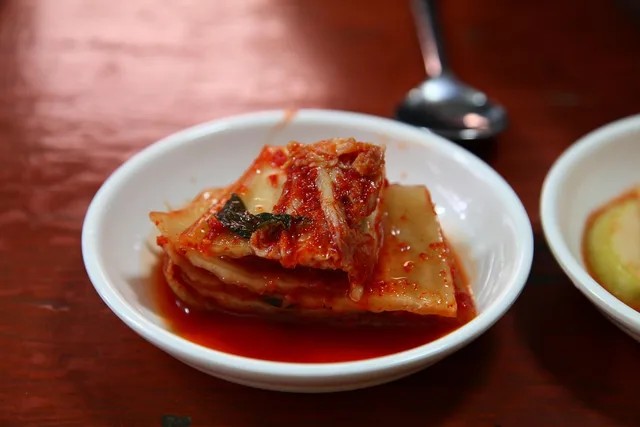
Kimchi as the third project
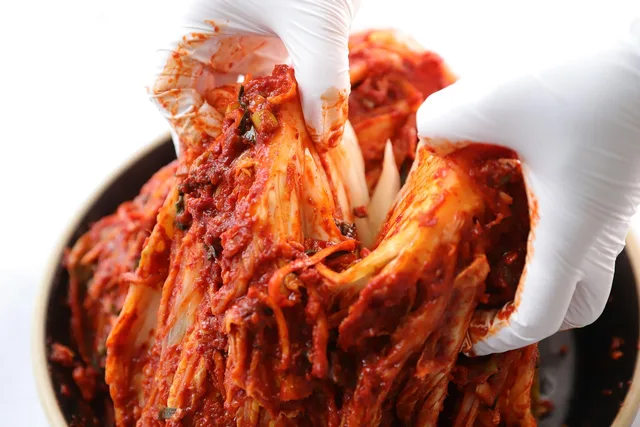
The University of Georgia's science-based guide to homemade kimchi gives a workable shape. Rub the cleaned cabbage with salt and rest it, massaging every 30 minutes for two hours, to draw out water and make the brine.
Pack tightly to minimize air pockets, cover loosely, and leave at room temperature for the first 48 hours. Then move it to the refrigerator at 41 F or below, because in the early stage the pH may not yet be low enough to prevent the growth of certain pathogens.
The same guide describes the timeline: visible bubbling in the first day or two, a tangier flavor and softer texture by days 5 to 7, and a pH below 4.6 after about two weeks. It also says to sanitize equipment by washing, then submerging in hot water of at least 160 F for at least 30 seconds.
Ideas that work, by risk level
| Idea | How to treat it |
|---|---|
| Kraut with caraway or juniper | Tested recipe, seasoning change only |
| Fermented dills with garlic and hot pepper | Tested recipe, listed options |
| Kimchi with radish and green onion | Short ferment, then refrigerated |
| Fermented carrot or radish sticks | Refrigerated, eaten within weeks |
| Anything canned that is not a tested process | Do not |
Peppers deserve their own warning
Oregon State University Extension's guidance on preserving peppers states it directly: peppers are low in acid and, when preserved improperly, can cause botulism poisoning, so canning and pickling directions must be followed carefully. It also gives the practical detail people skip, which is to wear gloves, since the volatile oils in some varieties can burn.
A fermented hot sauce is a refrigerated product unless a tested process says otherwise. It is not a shelf item because it tastes sour.
Allergens hide in fermented dishes
Fish sauce, shrimp paste, and salted anchovies are common in kimchi and are fish or shellfish allergens. Sesame oil appears in modern versions. Soy sauce can carry both soy and wheat. Read the whole recipe before you make it for other people.
Our short list of vegetable ferments covers where each project sits, and the year plan covers when to attempt them.