Reviews
Part of What fermentation supplies are for, and which ones you can skip: the parts worth your time
Which fermentation supplies actually change how a finished jar tastes?
Fermentation supplies tasting: which supply choices you can actually taste in a finished jar, which ones only show up as faults, and which differences are not yours.
What to take away
- You can taste vinegar type, sugar level, and spice choices. You cannot taste the difference between a safe acid level and an unsafe one.
- Water hardness is a real variable. Hard water can interfere with acid formation and stop pickles curing properly.
- Salt type shows up as a fault before it shows up as a flavorcloudy brine, darkened vegetables, slow fermentation.
- If a quick pickle is too sour, increase the sugar. Do not dilute the vinegar.
Set up a tasting you can learn from
Taste supplies inside a quick pickle rather than a long ferment. A fresh pack jar is ready in days, uses a fixed vinegar solution, and lets you change one ingredient at a time without waiting a month for an answer. Keep the cucumbers, the jar size, and the process identical between jars.
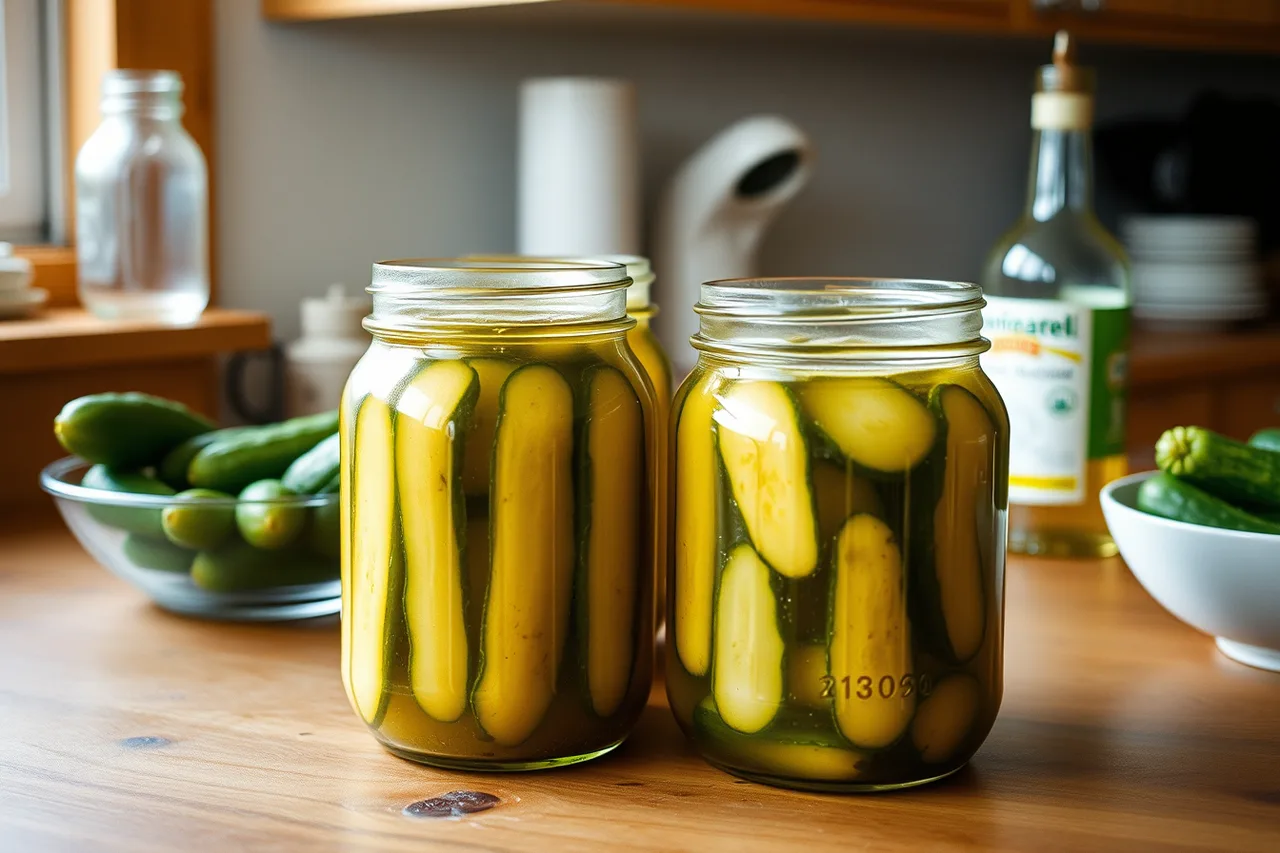
Illinois Extension's pickling overview frames what is adjustable: follow tested recipes exactly, never change vinegar or salt amounts, and use canning or pickling salt, white or brown granulated sugar, and 5 percent acidity vinegar.
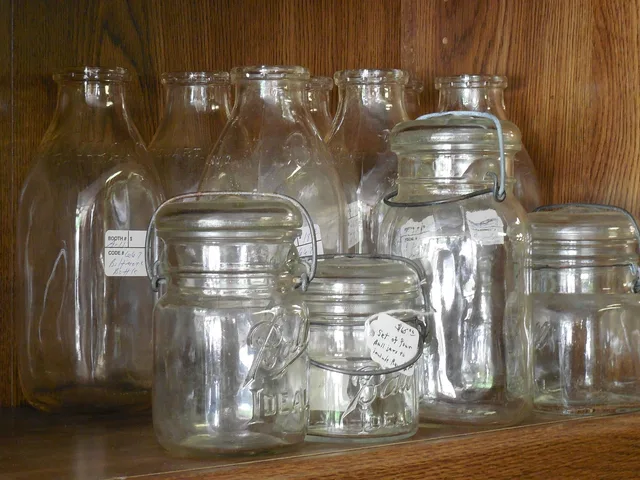
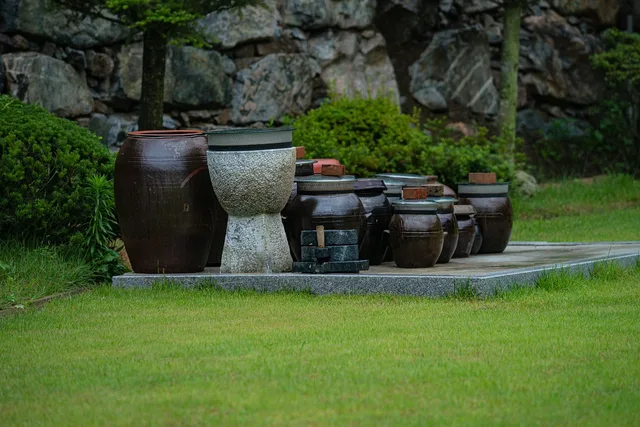
For fermenting, use stone crockery, glass, or food-grade plastic. For quick pickles, heat the solution in aluminum, steel, or unchipped enamel. Use soft water for best results.
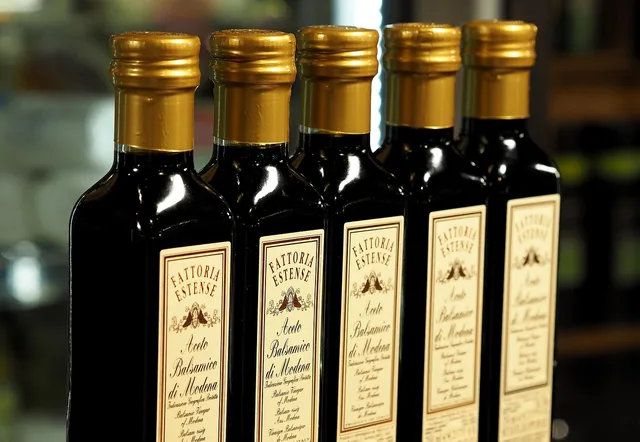
Vinegar is where the flavor difference lives
- White distilled: sharp, clear, keeps light-colored vegetables pale
- Cidermilder, amber, will darken pale produce
- Wine vinegarssmoother, more expensive
- Rice vinegarmild, slightly sweet
Oregon State University Extension's guide to flavored vinegars describes those differences. It adds a safety note: wine and rice vinegars contain proteins that promote bacterial growth if not handled and stored properly. Use only commercially produced vinegars.
Vinegar flavor and color
White distilled
- Flavor
- Sharp, clear
- Color
- Keeps pale
- Cost
- Low
- Safety note
- Standard
Cider
- Flavor
- Milder
- Color
- Amber
- Cost
- Low
- Safety note
- Standard
Wine
- Flavor
- Smoother
- Color
- Amber
- Cost
- More expensive
- Safety note
- Proteins; commercial only
Rice
- Flavor
- Mild, slightly sweet
- Color
- Pale
- Cost
- Moderate
- Safety note
- Proteins; commercial only
It also gives working quantities for infusions: 3 to 4 sprigs of fresh herbs or 3 tablespoons of dried herbs per pint, and 2 cups of fruit per pint.
Sugar, not dilution
If a quick pickle tastes too sour, add more sugar, not less vinegar. Diluting vinegar lowers the acid concentration and its preservative effect.
White granulated sugar adds no color. Brown sugar adds flavor and color.
Use sugar substitutes only where a recipe was developed for them. They can taste bitter and lack the plumping action sugar gives.
What you should never taste your way toward
Acidity. Salt concentration in a fermented product. Process time. None register on the palate at a level that matters. Yet all three separate a safe jar from a dangerous one.
If the question is whether something is acidic enough, use a tested recipe exactly as written instead of adjusting by taste.
| Variable | Taste it? |
|---|---|
| Vinegar type | Yes |
| Sugar level in quick pickles | Yes |
| Spice and herb choice | Yes |
| Water hardness | Indirectly, through texture and curing |
| Salt concentration in a ferment | No, and do not change it |
Faults that point at a supply
Cloudy brine from anti-caking agents in table salt. Darkened vegetables from iodized salt. A ferment that never really got going in hard water. Bitterness from too many spices boiled too long. Each of these is a supply fault, not a technique fault, and each is fixed at the shop rather than at the stove.
Our guide to what the supplies are for covers the shopping list, and the starting point guide covers the process the supplies serve.