Reviews
Part of Kimchi as the third vegetable ferment: short, then refrigerated
How to compare vegetable ferments one variable at a time
A practical guide to side by side tastings of vegetable ferments: change one variable, track temperature, taste blind, and judge sourness, salt, texture, and aroma.
What to take away
- Change one variable per comparison. Two changed variables give you an opinion, not an answer.
- Salt level and temperature both reshape the microbial population, so they are the two most worth testing where a recipe allows it.
- Never test salt levels in a recipe whose salt is fixed for safety. Test vessel, temperature, cut size, or time instead.
- Taste blind. Knowing which jar is which is enough to change what you report.
Pick a variable a recipe lets you move
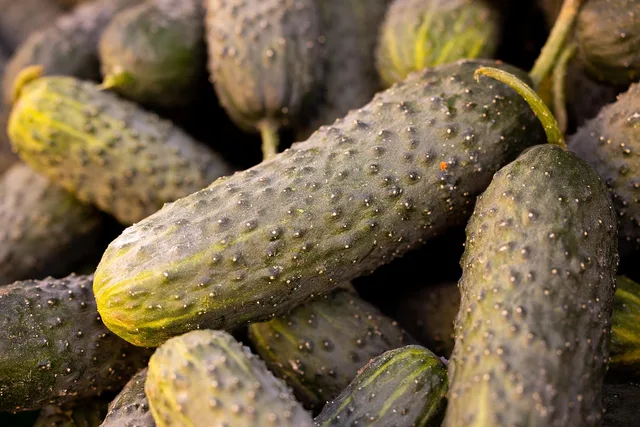
In fermented sauerkraut and fermented dill pickles the salt is fixed by the tested directions and is part of the safety of the process. That rules salt out as a home variable in those two. What is left is still plenty: vessel type, cut thickness, fermentation temperature, day count, and whether the finished jar is refrigerated or canned.
Variables You Can Move
Sauerkraut & Dill Pickles
- Salt
- Fixed by tested directions
- Vessel type
- Available
- Cut thickness
- Available
- Temperature
- Available
- Day count
- Available
- Refrigerated or canned
- Available
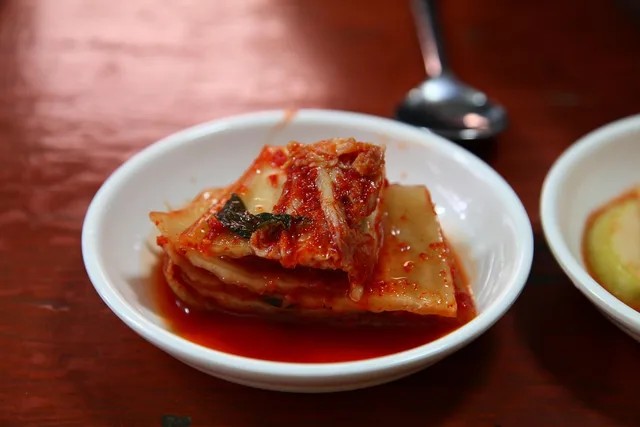
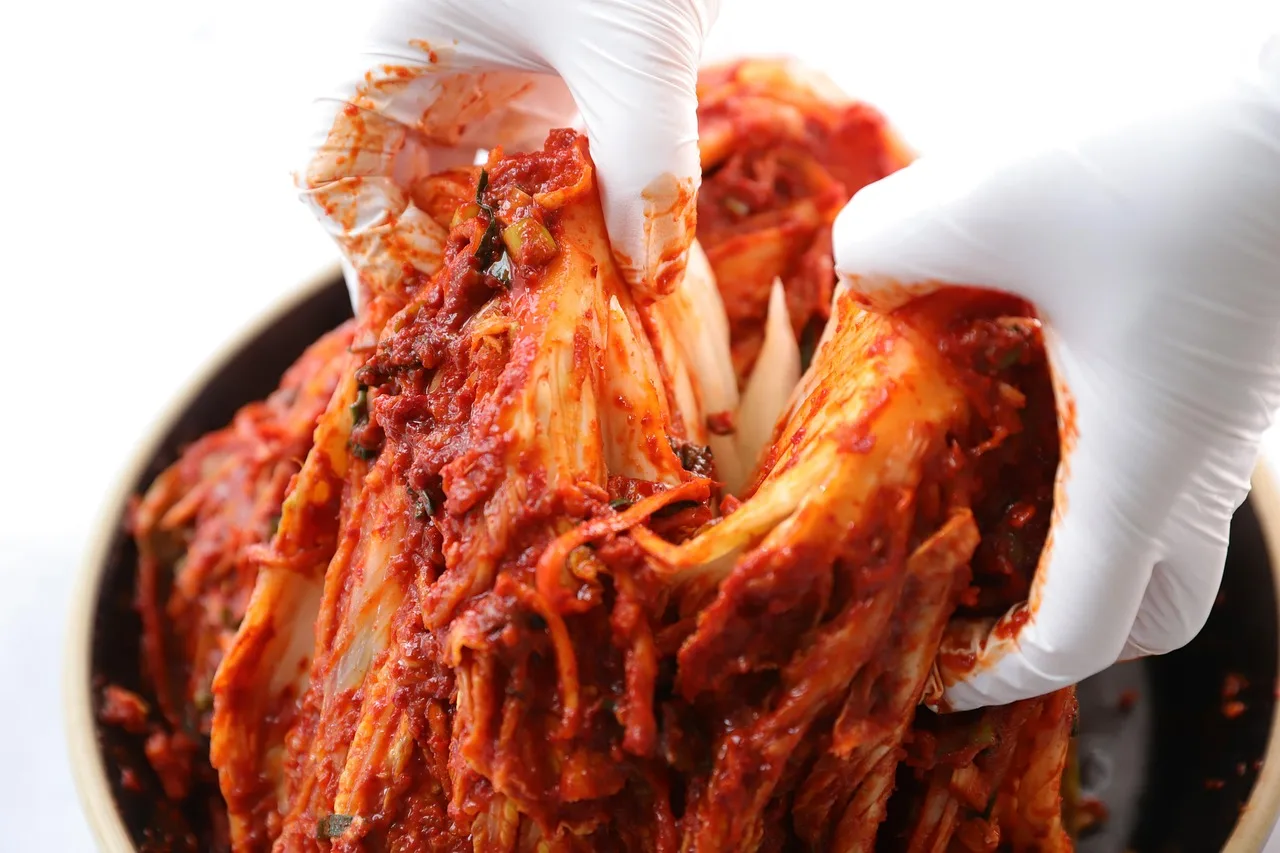
Refrigerated Kimchi
- Salt
- Range, more room
- Vessel type
- Available
- Cut thickness
- Available
- Temperature
- Available
- Day count
- Available
- Refrigerated or canned
- Available
For refrigerated ferments like kimchi, where guidance describes a range rather than a single figure, there is more room, but the useful comparisons are still one at a time.
Why salt and temperature matter so much
A model study of cucumber fermentation at 0.5 to 5.0 percent sodium chloride at 11 and 23 C found salt concentration and temperature are the major environmental factors. They affect microbial activity.
Salt and Temperature Study
0.5-5.0% sodium chloride
Tested at 11 and 23 C
Lactobacillus, Enterobacter at low salt
Salt and temperature alone: limited control
Lactobacillus and Enterobacter dominated at the lowest salt levels after storage. The same work concluded that the ability to control a spontaneous fermentation by adjusting salt and temperature alone is limited.
Read that as a warning about ambition. These levers change the outcome, but they do not give you fine control, and the low-salt end of the range is where unwanted organisms hold on longest.
Set the comparison up properly
| Step | What it prevents |
|---|---|
| Split one prepared batch between two vessels | Differences in the raw vegetable |
| Change exactly one thing | Ambiguous results |
| Record temperature daily for both | Blaming the wrong variable |
| Taste at the same day count | Comparing different stages |
| Label jars with codes, not descriptions | Knowing what you are tasting |
Judging what you taste
Sourness, salt, texture, and aroma are enough. Score each on a fixed scale you keep across sessions. Write a sentence about the finish.
NC State Extension's guide to making kimchi notes kimchi produces less acid than a cucumber ferment and is more carbonated. It may sizzle and fizz while working. Carbonation is part of the sensory picture, not noise.
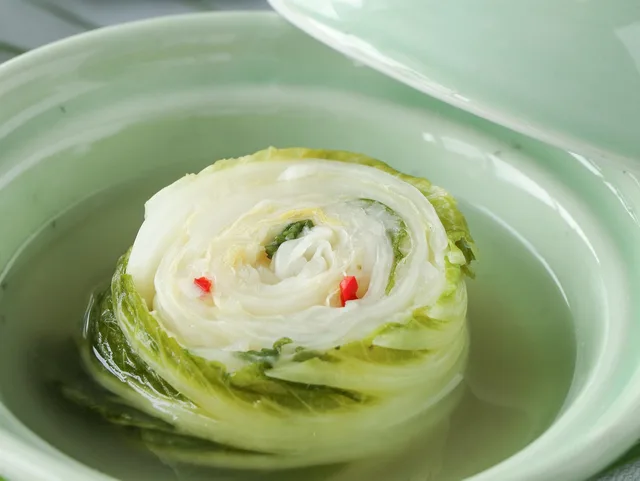
That guide also flags a purchasing variable that quietly ruins comparisons. Napa cabbage is softer and ferments faster in summer, firmer and slower in winter. If you compare a summer batch against a winter batch, the season is your variable whether you meant it or not.
Keep the equipment out of the way
Use the same container material on both sides unless the container is the variable. Avoid metal containers and cracked or chipped earthenware entirely. Our tasting flight method covers sampling across time in a single batch, and the guide to reading a ferment covers what the signs mean before scoring starts.