Reviews
Part of What fermentation supplies are for, and which ones you can skip: the parts worth your time
Fermentation supplies list and ferments that travel as gifts
The fermentation supplies a batch needs, from crock or Mason jar to plate weight, towel cover and pickling salt, and which home ferments can travel as gifts.
What to take away
- The fermentation supplies a vegetable batch needs are a container, a weight, a cover and canning or pickling salt.
- Fermenting has almost no consumables. Salt and vegetables are the recurring spend, and neither needs a subscription.
- Canning lids are the one item you genuinely reorder, and they are sold by size rather than by curated box.
- If you send ferments as gifts, the shelf-stable ones travel and the live ones do not.
- Refrigerated food must stay at 40 F and below. Anything held more than two hours above that gets thrown away.
Fermentation supplies: the consumables list is short
Illinois Extension's overview of preservation equipment divides the field into three sets of gear. Boiling water bath equipment handles high-acid foods processed at 212 F at sea level. Pressure canning equipment reaches 240 F for low-acid foods such as green beans, carrots, meats, squash, and soups. Fermenting equipment means cutting, chopping, and pounding tools plus containers, weights, and covers.
Three gear categories
Boiling water bath
- Temperature
- 212 F
- Foods
- high-acid
- Gear
- bath pot
- Runs out
- lids
Pressure canning
- Temperature
- 240 F
- Foods
- low-acid
- Gear
- pressure canner
- Runs out
- lids
Fermenting
- Temperature
- no heat
- Foods
- vegetables
- Gear
- crocks, weights
- Runs out
- salt only
The fermentation bench, item by item
The National Center for Home Food Preservation, working from the USDA Complete Guide to Home Canning, turns those categories into a short list you can shop from:
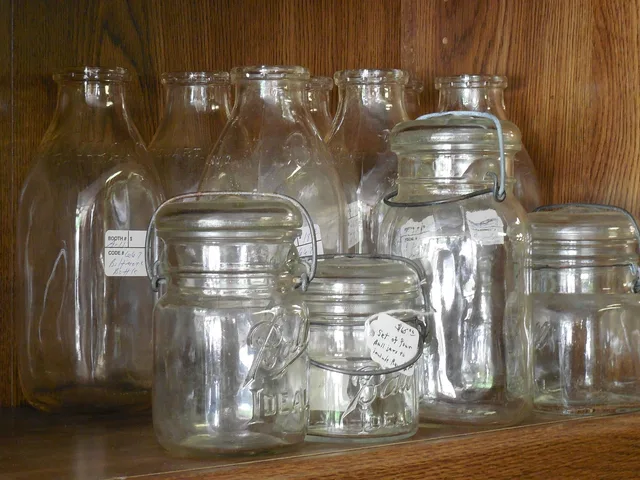
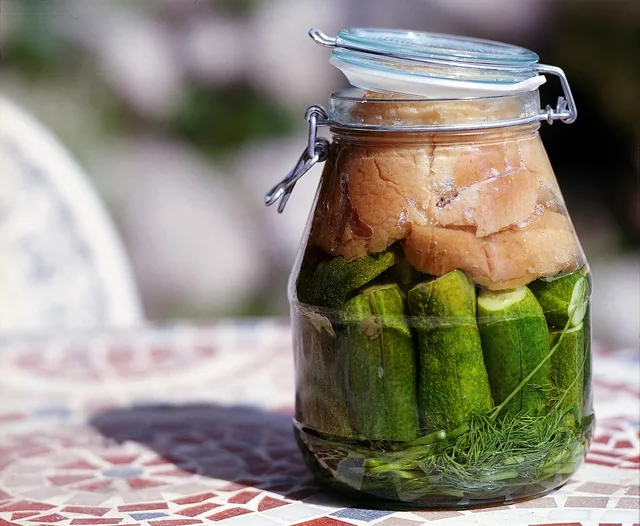
- Container.Allow a 1-gallon container for each 5 lb of fresh vegetables, so a 5-gallon stone crock suits about 25 lb of cabbage or cucumbers. Food-grade plastic and glass containers are excellent substitutes for a crock. Quart and half-gallon Mason jars are acceptable for sauerkraut, but may lose more batches to spoilage.
- Weight.Vegetables must stay 1 to 2 inches under the brine. A dinner plate or glass pie plate slightly smaller than the opening does that, held down with 2 to 3 sealed quart jars filled with water. A sealed food-grade plastic bag holding 3 quarts of water and 4-1/2 tablespoons of salt works too. Never use garbage bags or trash liners.
- Cover.A clean, heavy bath towel over the opening keeps insects and molds out while the vegetables ferment.
- Salt.Canning or pickling salt. The center's sauerkraut recipe works with about 5 lb of cabbage at a time and adds 3 tablespoons of salt to each batch. If the juice does not cover the cabbage, it tops up with boiled and cooled brine at 1-1/2 tablespoons of salt per quart of water.
Look at that list and count the items that run out. Salt. Vegetables. Lids, if you also can jars for gifts. Everything else is durable, which is a poor foundation for a monthly delivery.
What a supply box may offer
- A first-time kit that saves an hour of research, bought once
- Access to a jar or lid size your local shops do not stock
- Recipes, if they come from a named tested source rather than a copywriter
- A gift, where the value is the giving rather than the economics
This page sorts supplies by job rather than by brand. If a box holds a container, a weight, a cover and pickling salt in the right sizes for your batch, it covers the list above.
Sending ferments rather than supplies
Penn State Extension's piece on gifts from the kitchen garden covers the part that matters if you are the one packing the box. Items that have been dried or processed in a boiling water bath or pressure canner are shelf stable at room temperature and travel easily.
Can this jar be posted?
Is it canned or dried?
Room temperature, eat within a year
Refrigerate at 40 F or below
Refrigerated items require staying at refrigerated temperatures, at 40 F and below, and food stored more than two hours above 40 F should be thrown away. It notes that home-canned items are generally advised to be eaten within a year.
It also makes the sauerkraut distinction plainly. Fresh sauerkraut keeps the probiotics created through fermentation but must be refrigerated and used relatively quickly. Sauerkraut processed in a hot water bath is shelf stable and should be eaten within one year. That is the whole decision about whether a jar can go in the post.
| What you are sending | How it travels |
|---|---|
| Canned kraut or pickles, tested process | Room temperature, eat within a year |
| Fresh live kraut | Refrigerator to refrigerator only |
| Dried herbs or chili strings | Room temperature, easy |
| Anything refrigerated, in transit | Under 40 F, or discard after two hours |
What to check before subscribing
Ask whether the box is replacing something you would otherwise buy or adding something you did not need. Ask whether the salt comes by weight. Ask where the recipes came from. If two of those three answers are unsatisfying, buy the parts individually.
Our supply guide covers what each item is for, and the piece on fermentation kits and boxes covers judging a starter kit on its equipment rather than its packaging.