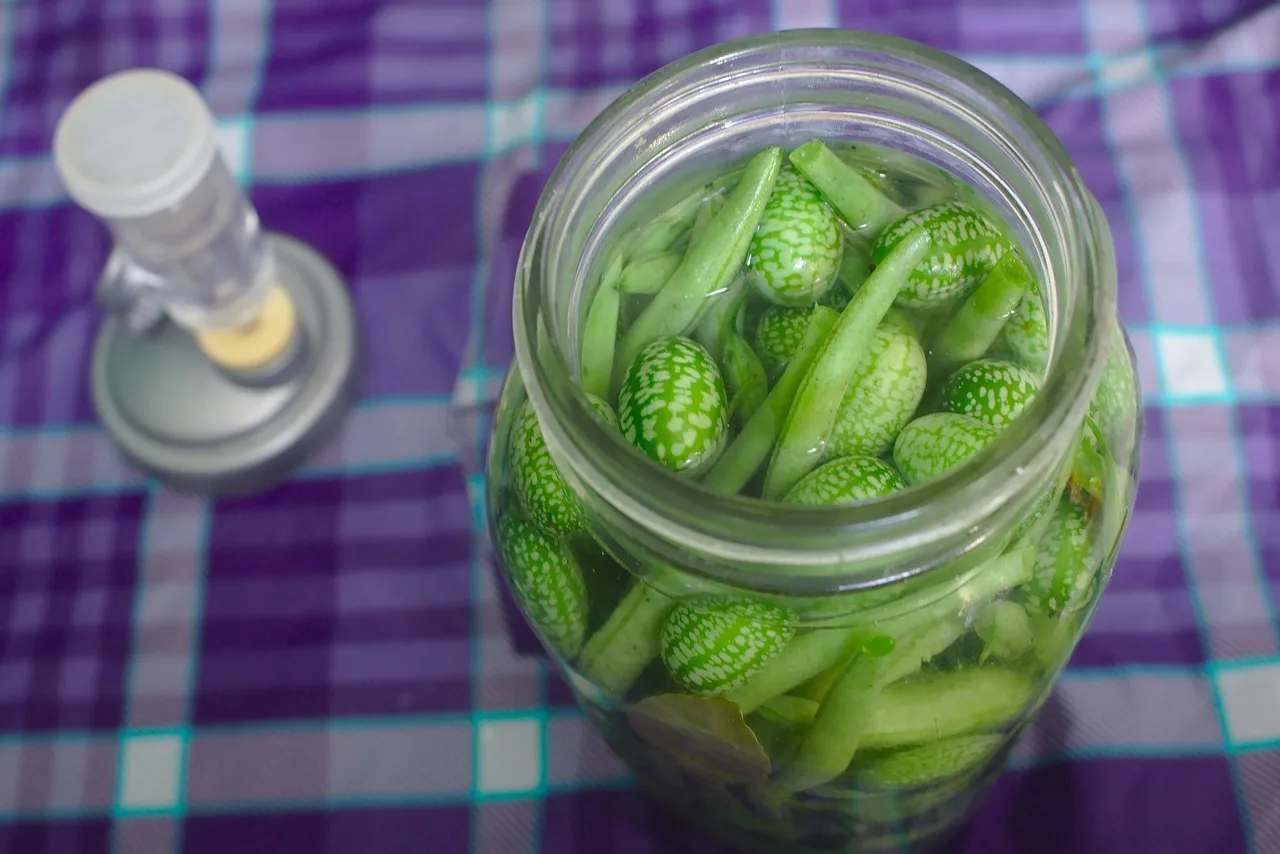
Industry
Part of Planning a full year of fermentation projects that each teach something
Fermentation projects: finding and checking tested recipes
For fermentation projects, brands are secondary: find tested recipes from USDA or extension sources, then check salt, temperature, and storage.
Can a brand tell me whether a ferment is safe?
For fermentation projects, a brand cannot make a ferment safe; a tested recipe and a scale can. A product name cannot replace directions that set the process, and a familiar label does not show whether its vessel or kit was tested with a controlled batch.
We have not bought and compared crocks, weights, or starter kits in controlled batches, so a roundup based on product pages cannot show whether a lid seals or a weight fits a jar mouth. Packaging trends may prompt useful questions, but they do not prove performance.
Where a brand claim has been independently checked, it can be repeated: extension guidance on steam canners identifies which dome-style models have had independent testing. Outside cases like that, brand names are marketing. The recipe is what changes your results, so start by checking its source.
Where should I get tested directions?
Start with USDA publications and land-grant university extension services: tested directions for fermented vegetables come from these sources. The National Center for Home Food Preservation keeps those directions online, state cooperative extension services adapt them and publish local guidance, and university food science departments explain the numbers behind the methods.
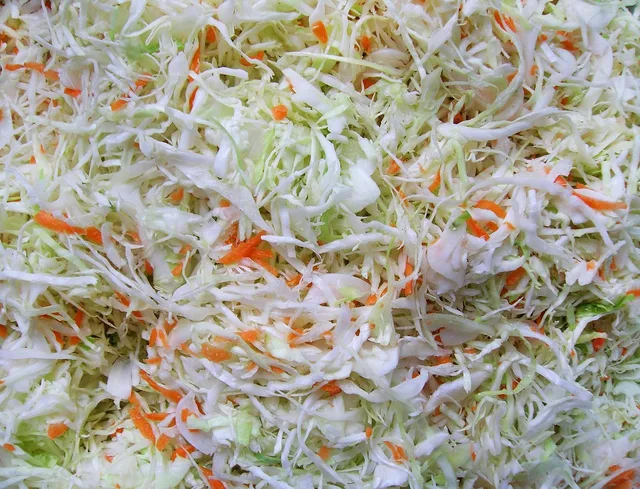
One specific project is sauerkraut. Follow the National Center for Home Food Preservation’s sauerkraut directions: shred 5 pounds of cabbage and mix it thoroughly with 3 tablespoons of canning or pickling salt.
Pack the cabbage firmly into a clean fermentation container, cover it with its juice, and keep it submerged under a plate and weight. If the juice does not cover the cabbage, add boiled and cooled brine made with 1½ tablespoons of salt per quart of water.
Ferment at 70–75°F for about 3–4 weeks, or at 60–65°F for about 5–6 weeks. Refrigerate the finished sauerkraut; shelf-stable storage requires a tested canning process.
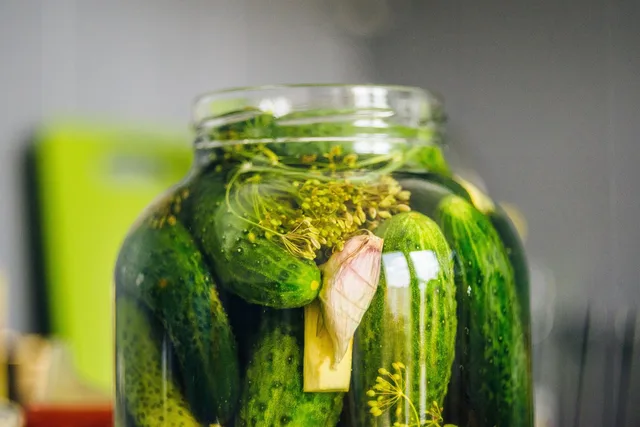
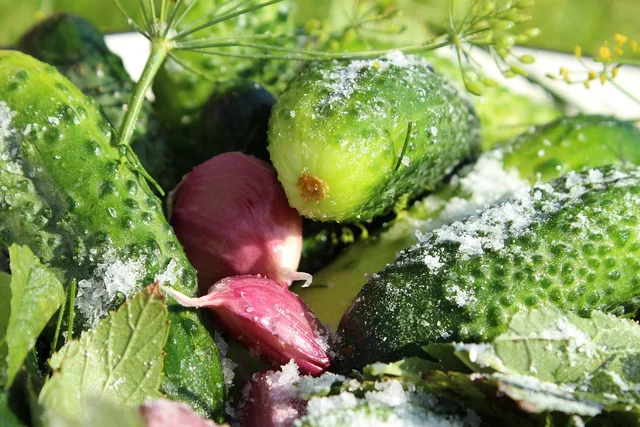
Oregon State University Extension's pickle fact sheet shows what useful guidance looks like. It describes the salt's role at the start of the brine and explains how fermenting cucumbers change from bright green to olive green as lactic acid reacts with chlorophyll.
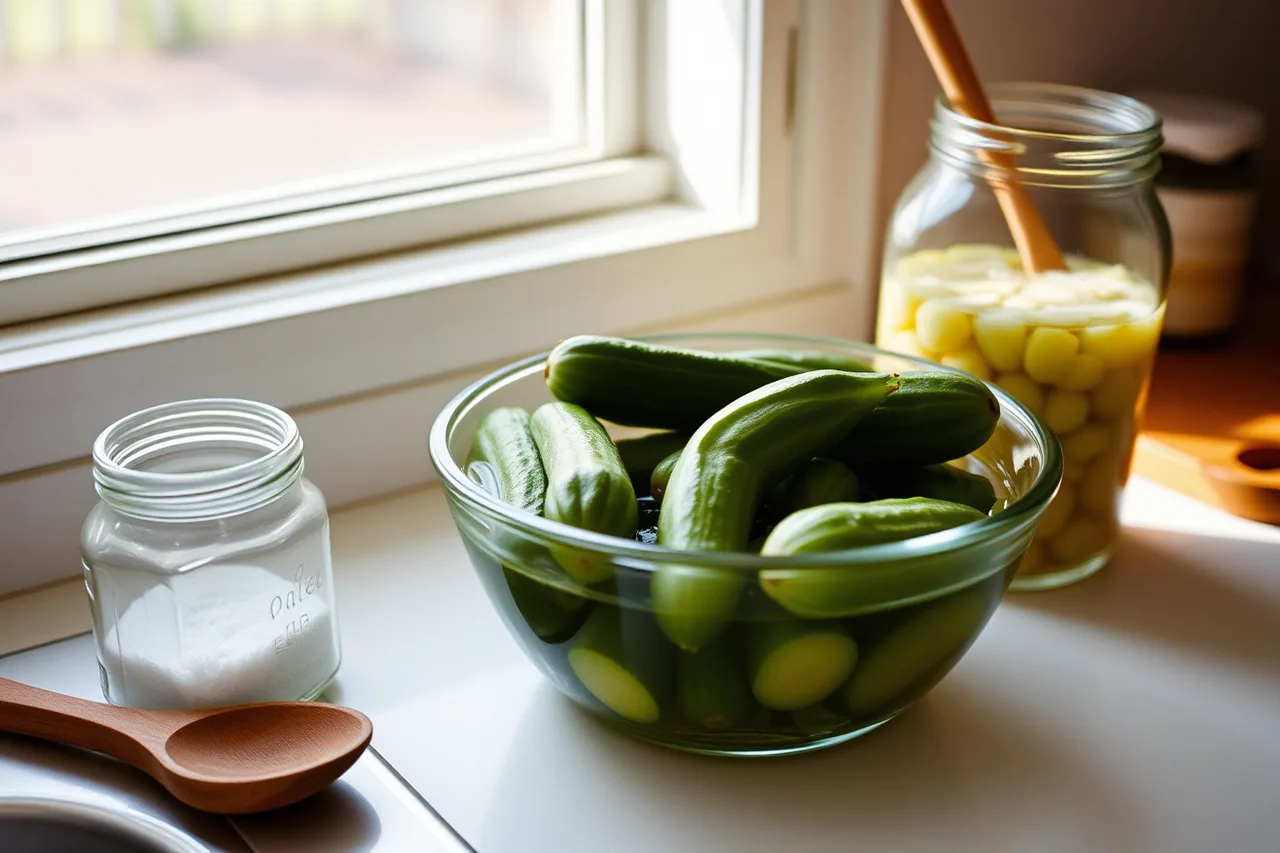
The fact sheet also gives two clear cautions: do not change salt concentration in fermented pickles or sauerkraut, and avoid commercially waxed cucumbers because pickling liquid cannot pass through the wax. Those instructions show why tested methods matter more than product claims in practice.
How do I check a recipe before I start?
Check process details, not the author's reputation: a usable recipe specifies salt by weight or a fixed measure, vinegar acidity where applicable, fermenting temperature, and what happens to the jar at the end. Without a temperature, it is not a recipe; time alone means nothing.
Question / Why it matters
- Does it give a fermenting temperature?
- Time is meaningless without it.
- Does it fix the salt amount?
- Salt concentration carries the safety.
- Does it name vinegar acidity?
- Below 5 percent may not control microbes.
- Does it say how the jar ends?
- Refrigerated and canned foods are different.
Can I use a cookbook or a recipe from another country?
Sometimes. Cookbook recipes can be trustworthy, but judge them by the same four checks and prefer books that cite USDA or extension processes for anything canned. Recipes from other countries may be excellent food, but often describe eating the food refrigerated rather than storing it on a shelf.
Do not can a recipe without a tested process, even if it is familiar or appealing. Whether the recipe comes from a book or another country, check the directions themselves: reputation and tradition do not establish that a process is suitable for shelf storage.
Do I need an airlock, special salt, or a starter culture?
No starter culture is needed for vegetable ferments; canning and pickling salt is preferred, and an airlock is recommended but not essential if vegetables stay submerged. Illinois Extension's fermenting FAQ answers many beginner questions, including how to identify a safe white film.
The FAQ identifies kahm yeast as a white film that is safe when it is not fuzzy and does not form round patches. An airlock helps hold an anaerobic environment, but fermenting without one is possible as long as the vegetables remain submerged.
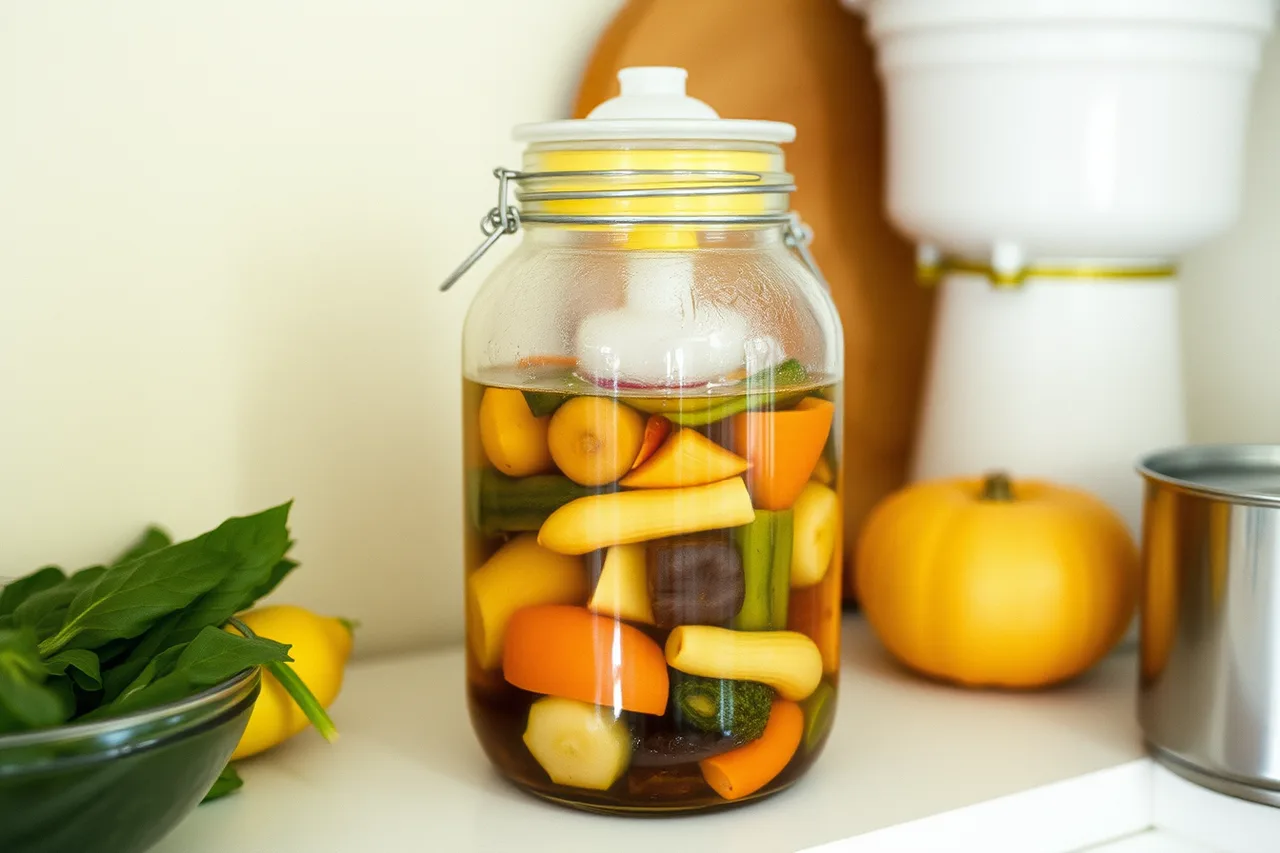
Canning and pickling salt is the best choice. Table salt clouds the brine; iodized salt slows fermentation and browns vegetables; natural salts carry impurities and vary in weight. The type of salt affects the brine and the measured amount, not a brand preference.
An expensive crock can make it easier to keep vegetables submerged, lowering spoilage losses. That is a quality gain, not a safety substitute. Home vegetable ferments normally rely on bacteria already present, which is what tested directions assume, so they do not need a starter culture.
What should I do first?
Choose one tested recipe and follow it exactly. The year plan for fermentation projects can help sequence projects, while the starting point guide explains the numbers behind them.
- For sauerkraut, follow the National Center for Home Food Preservation directions above; for another project, choose a tested USDA or university extension recipe.
- Check the salt amount, vinegar acidity where relevant, fermenting temperature, and whether the jar is refrigerated or canned.
- Follow the chosen recipe exactly.