Industry
Fermentation brands and companies: what to watch, without a brand watchlist, in plain terms
Fermentation brands and companies worth watching are judged by what they make and how they manage acidity, storage and shelf life in plain terms.
What to take away
- These fermentation brands and companies are named for a checkable reason: they publish process, acidity or storage detail, or they built a category.
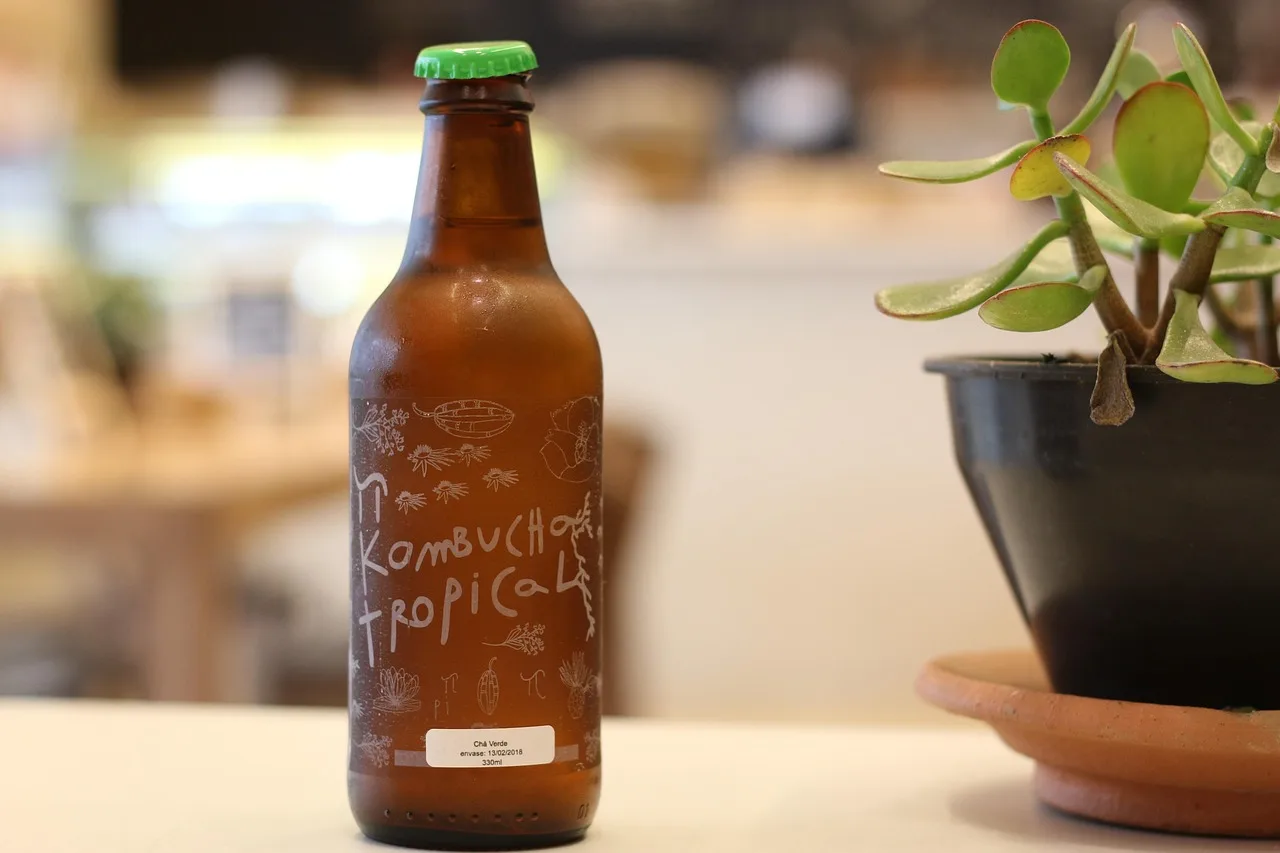
- GT's Kombucha, Health-Ade, Brew Dr. and KeVita all sell refrigerated live kombucha, so the cold chain is the product.
- Wildbrine, Bubbies and Real Pickles sell refrigerated kraut and pickles; Cleveland Kitchen moved the same category into the produce aisle.
- Red Boat, Ohsawa, Marukome and McIlhenny are named for their fermentation method, not for a health claim.
- Ask any producer for finished pH, storage temperature and shelf life. A producer who knows those numbers controls the batch.
Why these companies are named and not ranked
A ranking implies testing: buying, measuring pH, tasting blind, reporting failures. We have not done that, so nothing here is scored or ordered.
Each company earns its place on something a buyer can verify: the process it uses, how it stores and ships, or the category it opened. That makes this a list by function, not a scoreboard.
The kombucha companies: GT's, Health-Ade, Brew Dr. and KeVita
GT's Kombucha, founded by GT Dave in Southern California in 1995, is the brand that put kombucha on American shelves. It sells raw, refrigerated product and prints ingredient and storage detail on its labels.
Health-Ade, based in Los Angeles, built its identity on small-batch brewing in glass. Its kombucha is raw and refrigerated.
Brew Dr. Kombucha of Portland, Oregon, grew out of a tea company, Townshend's Tea. That background shows in its flavor work, and the bottles ship cold.
KeVita, owned by PepsiCo since 2016, is the shelf-stable and mainstream-retail case. That ownership is why it appears in grocery chains a small brewer cannot reach.
All four sell live, refrigerated product. The cold chain is part of the product, and a bottle left warm on a loading dock is a different product from the one that was brewed.
The kraut, kimchi and pickle companies: Wildbrine, Bubbies, Cleveland Kitchen and Real Pickles
Wildbrine of Sonoma County, California, makes raw, refrigerated sauerkraut and kimchi and sells into natural grocery. Its brine is salt and vegetables, not vinegar.
Bubbies, also in California, is known for refrigerated pickles and sauerkraut fermented in brine rather than vinegar. The jar label says so.
Cleveland Kitchen of Cleveland, Ohio, took fresh sauerkraut into the produce aisle, which changed where a shopper looks for it. The company has since added kimchi and dressings on the same shelf.
Real Pickles of Greenfield, Massachusetts, makes raw, fermented pickles, sauerkraut and kimchi without vinegar, and sells through natural groceries and co-ops in the Northeast.
These four matter because they are the commercial version of what a home crock does. The difference is control: a commercial producer holds a batch at a target pH and a target temperature, while a home fermenter watches bubbles and smell.
The soy and fish sauce producers: Red Boat, Ohsawa, Marukome and McIlhenny
Red Boat makes first-press fish sauce in Phu Quoc, Vietnam, from anchovies and salt, and names the barrel and press on the label. It is a barrel-fermented product, not a fast-hydrolyzed one.
Ohsawa produces traditionally brewed soy sauce and miso, and its nama shoyu is unpasteurized. Marukome, a Japanese miso producer, sells white and red miso paste and dried miso soup packets in American supermarkets.
McIlhenny Company of Avery Island, Louisiana, makes Tabasco brand pepper sauce by packing pepper mash in oak barrels with salt. The mash ages about three years before it is blended with vinegar.
All four are named for method. A barrel-fermented fish sauce and a fast-hydrolyzed one are different products, and the label is where that shows.
What to check before you buy any of them
| Check | What a good answer looks like |
|---|---|
| Acidity | The producer knows the finished pH and controls to it |
| Storage | Refrigerated with a date, or shelf stable by a stated process |
| Handling | Stated on the label, not assumed |
| Claims | Ingredients and process, not vague health promises |
| Batch | A code or date that lets the producer trace the lot |
Kombucha must sit below pH 4.2 for safe consumption and not below about 2.5. Colorado State University's food source page on kombucha covers that window and the health claims that run ahead of the evidence.
What to check before buying
- Acidityproducer knows and controls finished pH
- Storagerefrigerated with date, or shelf stable
- Handlingstated on the label, not assumed
- Claimsingredients and process, not health promises
- Batchcode or date to trace the lot
It also records the 1995 Iowa incident. Two daily drinkers became severely ill and one died. An investigation found no known human pathogens in their cultures. No causal link was established. The investigation involved the state health department, the CDC and the FDA.
The home version has its own numbers
The National Center for Home Food Preservation's kombucha directions show how much control home brewing takes. Sanitize equipment in water of at least 171 F for at least 30 seconds. Steep the tea in water held at 160 to 170 F, then cool below 95 F before adding the culture and starter liquid.
Home kombucha control numbers
- 171 Fsanitize water minimum
- 30 secsanitize contact time
- 160-170 Fsteep tea water
- 95 Fcool below before culture
Those numbers are the difference between brewing and hoping. Our causes of fermentation mistakes covers what goes wrong, and the starting point guide covers the process these companies scaled up.
Common questions
Is commercial kombucha safer than homemade?
It is more controlled, with measured acidity and a documented process. Homemade can be safe with the same discipline and a pH meter.
What pH should a finished kombucha be?
Below 4.2 for safety, and not below about 2.5, where it turns harsh. If you cannot measure it, that is a laboratory question, not a taste question.
Are the health claims worth paying for?
Treat them as unproven. Buy fermented foods because you like them and they suit your diet, and ask a physician about anything medical.
Does raw or unpasteurized mean better?
It means live and refrigerated, which is a real difference in the product. It is not a claim about health.
In this guide
- How to build a fermentation tasting flight across food categories, from yogurt to tofuBuild a six-sample tasting flight from plain yogurt and fresh curd through sauerkraut, kimchi and kombucha to tofu, with notes on texture, sourness and tofu safety.
- What actually makes a fermentation brand's product good, minus the origin storyOrigin stories sell jars. What is genuinely interesting is how these products are actually made, and the decisions a maker cannot advertise their way around.
- Pricier kraut, jam or honey: why it isn't always betterAcross fermentation brands and preserves, a higher price mostly pays for cold chain, sugar choices and label claims. What to check on the jar instead.
- 4 questions a shop should ask a local supplier before stocking fermented and preserved foodsFour questions a shop should ask a local supplier before stocking fermented and preserved foods, covering salsa, infused honey, and shelf stability.
- What university extension guidance says about home sourdough startersA sourdough starter is a live culture that must be fed. Colorado State University Extension and South Dakota State University Extension give the basics on wild yeast, readiness, temperature and safety.