Industry
Part of Planning a full year of fermentation projects that each teach something
Fermentation projects trends in home canning and fermenting
Fermentation projects trends: kimchi, kombucha, hot sauce and kvass on the rise, steam-canning guidance under USDA rules, and safety limits that hold.
What to take away
- Fermentation projects trends include a canning-guidance update: atmospheric steam canning is now one of three approved home canning methods, alongside pressure canning and boiling water canning.
- Steam canners are only for high-acid and acidified foods, and only for processes of 45 minutes or less including altitude adjustment.
- Electric pressure cookers have not been approved for canning. The market moved; the guidance did not.
- The rules that govern fermented vegetables have not loosened. Salt concentration and tested recipes still carry the safety.
- The projects that keep coming up in the current wave are kimchi, kombucha, hot sauce, kvass, water kefir, and garlic honey.
The method list, as it stands
Penn State Extension names three scientifically tested approved canning methods: pressure canning, water bath canning, and atmospheric steam canning.
The reference behind those methods is the USDA Complete Guide to Home Canning, the 2015 revision, together with the National Center for Home Food Preservation, which reviews the studies and says when a home canning process counts as tested.
Which canning method?
Is the food low-acid (vegetables, meats)?
pressure canning required
water bath or steam canning
Pressure canning is required for low-acid vegetables and meats: every vegetable except acidified tomatoes, pickles, and sauerkraut. At sea level, a weighted gauge canner at 10 pounds and a dial gauge at 11 pounds both reach 240 F, which destroys botulism spores.
That framing is worth holding onto when a shop assistant tells you a new appliance changes things. Acidity decides the method. It always has.
Steam canning's appeal and limits
Oregon State University Extension's guidance on steam canners explains both the appeal and the limits. A boiling water canner might need 16 quarts of water; a steam canner uses about 2, so it heats faster. Tested boiling water recipes can be used in a steam canner with the same times and altitude adjustments.
The limits are firm:
- High-acid and properly acidified foods only. A steam canner is not a pressure vessel and will not process low-acid foods.
- A tested boiling water time of 45 minutes or less, including any altitude adjustment.
- No lifting the lid. The run is capped by the water the canner base holds, and you cannot add more partway through.
- The canner has to be fully vented and steaming steadily before the timer starts.
- Jars cool undisturbed in still air, with no forced cooling.
Steam canner rules
- High-acid or acidified foods only
- Processing time 45 minutes or less
- Do not stack jars
- Mixed jar sizesuse longer time
- Vent steady steam column 6-8 inches
- Ignore recipe booklets packed with canners
The same guidance warns that recipe booklets packed with steam canners are not based on current research-tested methods and may lead to under-processing.
What has not changed
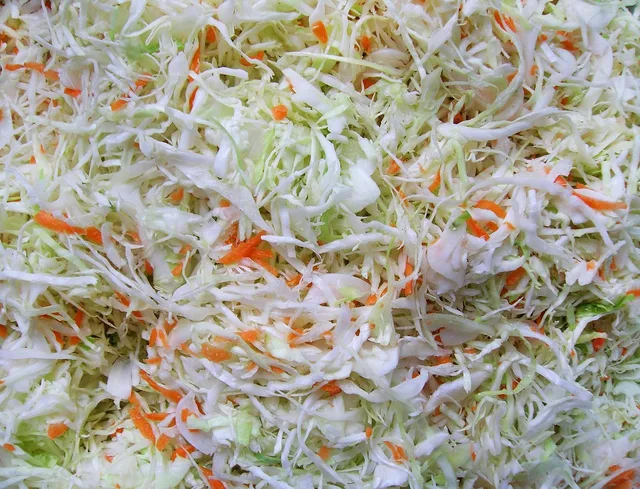
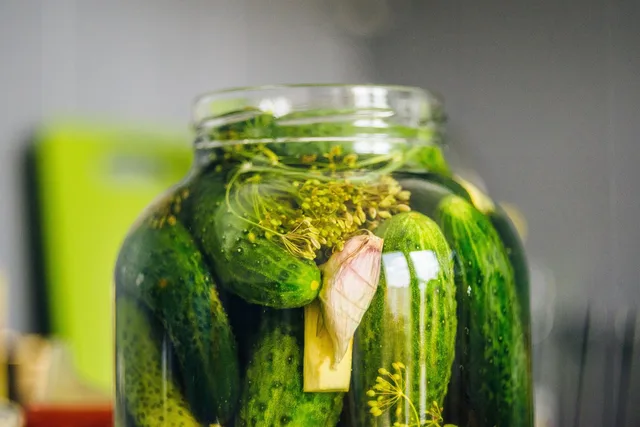
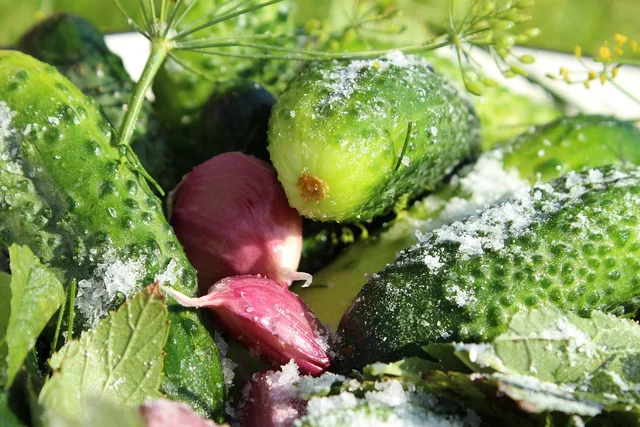
Fermented vegetables are governed by the same numbers they were a decade ago. Salt concentration in a fermented recipe is not adjustable. Vinegar is 5 percent acidity. Sauerkraut and fermented pickles remain the two vegetable ferments with research-based home directions behind them. Low-acid vegetables still need a pressure canner, whatever the jar looks like when the fermenting stops.
If a trend appears to have relaxed one of those, the trend is wrong. Guidance in this field moves when someone runs the experiment and publishes it, which is rare and slow, and that is the point of it.
The projects people are actually starting
Ask what home fermenters are starting right now and the same short list comes back: kimchi, kombucha, hot sauce, kvass, water kefir, and garlic honey. They are not one trend, and they do not fail in the same places.
Kimchi and hot sauce are vegetable ferments, so the salt, the submersion, and the temperature rules do not change. Kimchi is normally kept as a fresh, refrigerated ferment rather than canned, which is why it is not on the list of ferments with tested boiling water directions. Kombucha and water kefir are sugar-based ferments that live or die on a healthy starter culture and a clean jar. Kvass is the quick one, a liquid ferment that moves to the refrigerator early. Garlic honey is the odd one out: a thick, low-oxygen mixture rather than a brine, and the project on this list with the least tested guidance behind it.
Trends in the shop rather than in the science
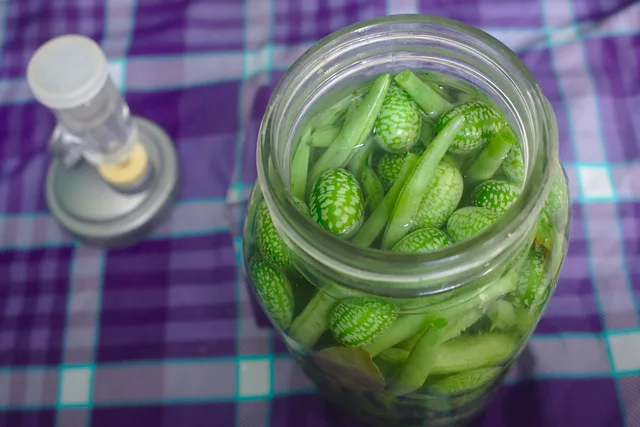
Airlock lids, glass fermentation weights, and small-format crocks are more available than they were. They solve a real problem: keeping vegetables submerged in a jar.
Refrigerated live ferments have moved from health food shops into ordinary supermarket chillers. Neither development alters the process; they change how easy the process is to run and how easy the finished product is to buy without making it yourself.
Our year plan for fermentation projects covers how to fit new equipment into a season, and the piece on rules a business follows covers why the commercial side of this market looks the way it does.