Industry
Part of Fermentation Jars Comparison: 5 Vessel Differences
Fermentation vessel trends: features that help submersion, and what no vessel changes about canning
Small weights, one way valve lids and small crocks help home ferments. Acidity, not equipment, decides canning, and tomatoes need added acid.
What to take away
- The genuine change is small-format equipmentquart and half-gallon vessels with weights and one-way valves that fit them.
- What they fix is submersion, which is the failure mode of jar fermenting. That is a real improvement.
- No vessel changes what may be canned. Acidity decides the canner, and it always will.
- Tomatoes are the standing exception people forgetborderline acidic, so tested recipes add acid before processing.
The equipment that actually got better
Ten years ago, fermenting in a quart jar meant improvising a weight from a smaller jar or a bag of brine. Now there are glass discs, silicone one-way valves, and stainless springs sized for standard jar mouths.
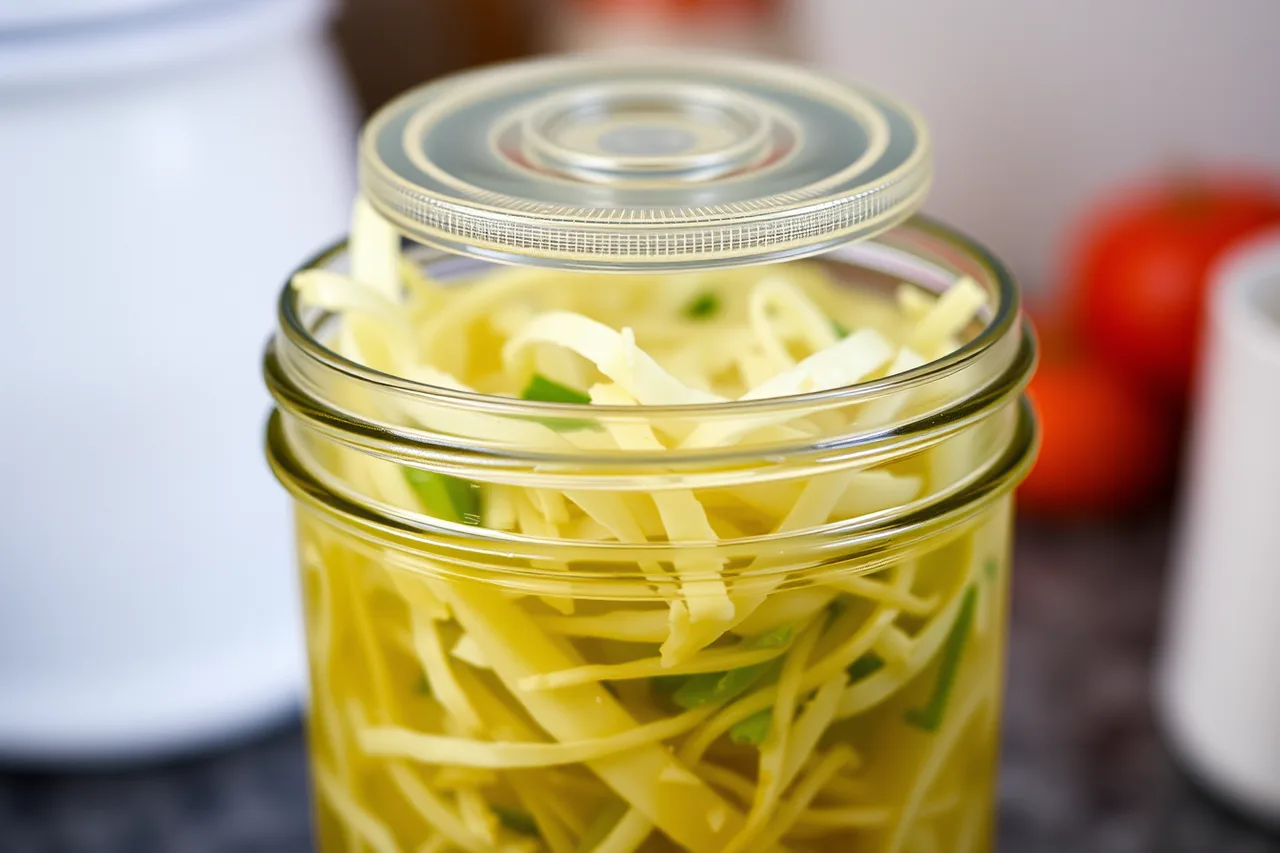
Keeping the vegetables under the brine is what home jar ferments fail at. A weight that fills the jar mouth does more for a batch than any change of crock.
Small crocks have followed the same path. A 1 gallon water-seal crock is a plausible household object in a way a 5 gallon one is not.
What has not moved, and will not
South Dakota State University Extension's comparison of water bathing and pressure canning puts the fixed rule plainly. Which technique you use depends on the acidity of the food. High-acid foods, at pH 4.6 or lower, go in a boiling water canner: fruits, pickles, sauerkraut, jams, jellies, marmalades, fruit butters.
Acidity decides the canner
Boiling water canner
- Acidity
- pH 4.6 or lower
- Foods
- Pickles, sauerkraut, jams
- USDA position
- Standard method
- Vessel change
- No effect
Pressure canner
- Acidity
- Low-acid
- Foods
- Meats, poultry, okra, carrots
- USDA position
- Only safe method
- Vessel change
- No effect
Low-acid foods go in a pressure canner: red meats, seafood, poultry, and low-acid vegetables such as okra, carrots, green beans, asparagus, and spinach. USDA endorses pressure canning as the only safe method for those.
No vessel innovation touches that. A better weight does not make green beans an acid food.
The tomato exception
Illinois Extension's canning FAQ answers the question that follows. Acidifying whole, crushed, or juiced tomatoes is important for safe acidity, and the acid can go directly into the jars before filling.
Four tablespoons of 5 percent acidity vinegar per quart may replace lemon juice or citric acid, but vinegar may cause undesirable flavor changes.
The same page settles two other recurring questions. A jar that did not seal can be re-canned if found within 24 hours: remove the lid, check the rim for nicks, change the jar if there are any, fit a new lid, and reprocess for the original time. Home canned food retains optimum quality for one year.
Trends worth ignoring
| On the shelf | Worth it? |
|---|---|
| Weights sized to standard jar mouths | Yes, this is the real improvement |
| One-way valve lids | Yes, less skimming |
| Small water-seal crocks | Yes, if you ferment often |
| Decorative unglazed or unmarked crockery | No, unknown material |
| Kits promising fermentation without measuring | No |
Buy the change, not the story
Judge new equipment on whether it holds vegetables under brine, vents gas, and is made of something food safe. Our comparison of fermenting vessels covers those tests, and the piece on what changed in preservation guidance covers the process side of the same question.