Industry
Part of Home fermentation, from a jar of kraut to the canning safety line
Home fermentation businesses: acidified-food rules
Home fermentation businesses face different rules depending on whether acidity comes from fermentation or added acid, and whether products stay refrigerated.
What to take away
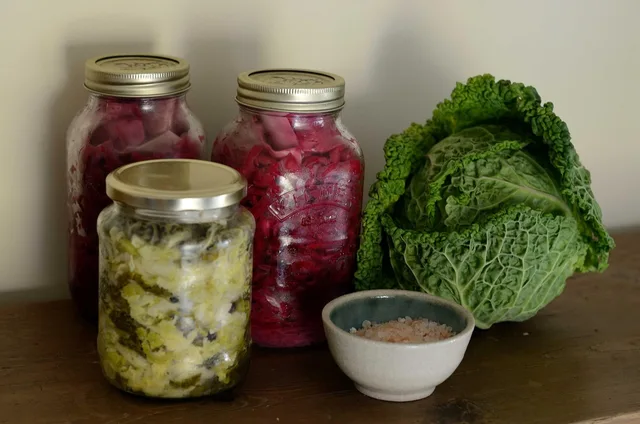
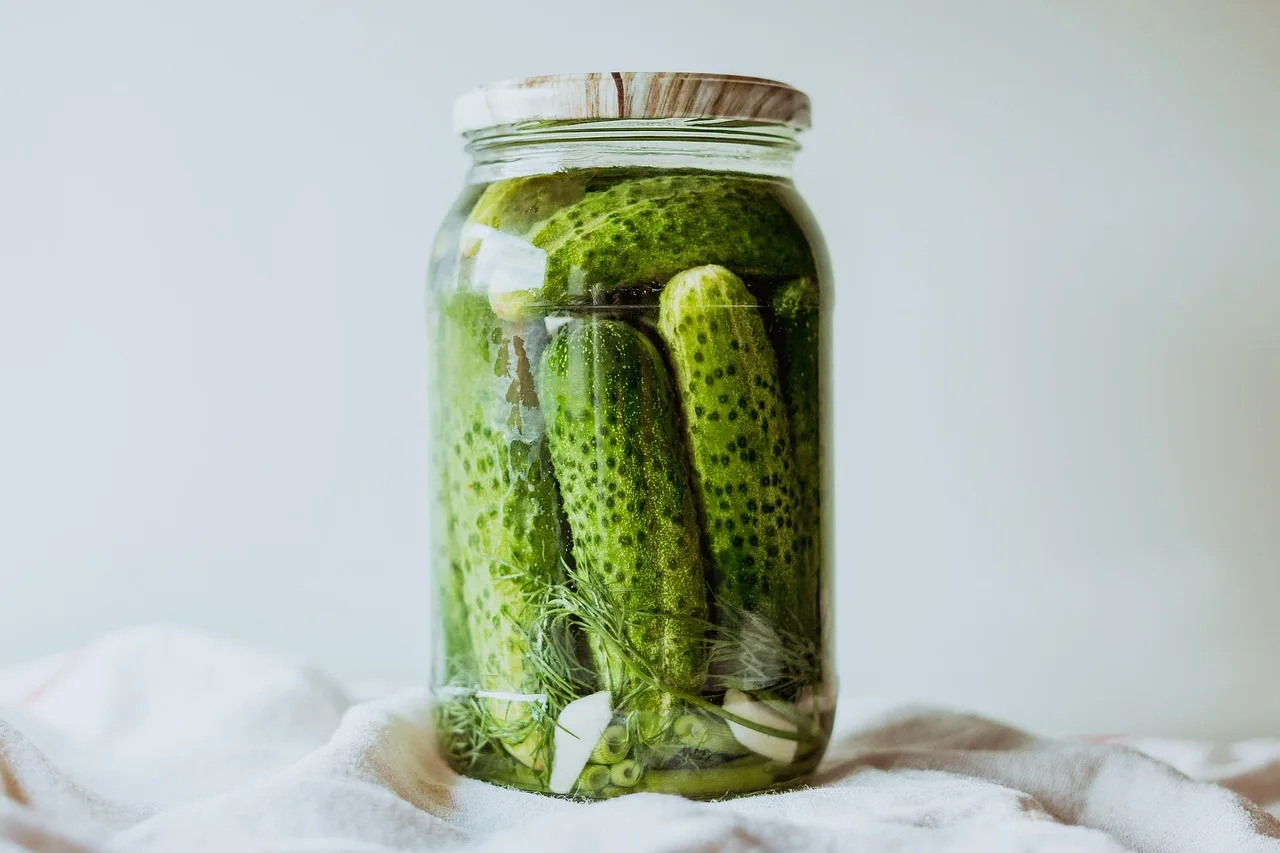
- Federal rules treat fermented and acidified cabbage, cucumbers, peppers, and beans as a regulated food category once a home fermentation business sells them shelf stable.
- The legal dividing line is a finished equilibrium pH of 4.6. Above that, a food is low-acid, and the whole pressure-processing regime applies.
- Products stored, distributed, and sold under refrigeration sit outside the acidified foods rule, which is why so many small ferment brands are refrigerated.
- Home cottage food programs usually allow fermented products only against a tested recipe followed exactly, or against a filed safety plan with pH testing.
The federal definition, in plain terms
Part 114 of Title 21 (21 CFR Part 114) covers acidified foods: low-acid foods to which acid or acid foods are added, with water activity above 0.85 and a finished equilibrium pH of 4.6 or below. Acidity produced by fermentation alone does not make a food an acidified food under that definition. Shelf-stable fermented foods may still be subject to other federal and state requirements.
Acidified vs Low-Acid Foods
Acidified
- pH
- 4.6 or below
- Acid
- Added acid
- Water activity
- Exceeds 0.85
- Examples
- Cucumbers, cabbage, peppers
Low-acid
- pH
- Above 4.6
- Acid
- No added acid
- Water activity
- Exceeds 0.85
- Examples
- Beans, artichokes, cauliflower
Low-acid foods finish above pH 4.6. A scheduled process is one a manufacturer selects as adequate, set by a competent processing authority.
For processing and packaging systems covered by Part 114, operators must work under the supervision of someone who has completed an approved course covering pH control and critical factors in acidification. The Better Process Control School provides a recognized curriculum for that training.
Under 21 CFR 108.25, establishments processing acidified foods within the rule must register with the FDA and file the scheduled process for each product. FDA Form 2541 is used for establishment registration, and Form 2541c is used for acidified-food process filings; Form 2541a is for low-acid canned foods. A jar fermented at home for personal use does not require those commercial filings, but a home-based seller should not assume that location alone determines whether requirements apply. Separately, the FSMA Preventive Controls for Human Food rule (21 CFR Part 117) can apply to commercial food facilities subject to registration, with exemptions or modified requirements.
The refrigerated exemption explains the market
Part 114 excludes foods stored, distributed, and retailed under refrigeration. A raw, live kraut kept refrigerated is outside that acidified-food rule, but refrigeration does not settle every food-safety or business requirement. A seller still needs to check the rules that apply to the product and location.
State cottage-food rules are separate
The linked Mississippi State University Extension page offers cottage food operations guidance, not the governing law. Product eligibility, sales channels, labeling, and permits depend on the applicable state and local rules.
Illinois's cottage-food provisions appear in the Food Handling Regulation Enforcement Act (410 ILCS 625/4), with the Illinois Department of Public Health and local authorities providing state-specific information. Sellers need to verify whether their product is allowed and what testing and records apply; there is no single nationwide cottage-food pH-testing cycle.
Cottage Food Seller Requirements
- Follow tested recipe without substitution
- File written annual food safety plan
- Measure pH and keep records
- Label producer, ingredients, allergens, date
- Sell only through named channels
What this means for a home fermenter
A jar of kraut made at home for personal use does not require a commercial scheduled-process filing. Selling food changes the questions: the product's classification, storage, operation, and state or local rules determine what requirements apply. Follow tested home directions rather than improvising.
Where applicable rules require process controls, a business keeps the records those rules specify; a meter and logbook are not universal requirements for every ferment. For personal-use home fermentation, follow a tested recipe and do not improvise.
If you plan to sell, check the rules for the product and the place where it will be made and sold. Our starting point guide covers the home process, and the notes on what to record on a jar cover the habit that carries over.