Industry
Part of Fermentation brands and companies: what to watch, without a brand watchlist, in plain terms
What actually makes a fermentation brand's product good, minus the origin story
Origin stories sell jars. What is genuinely interesting is how these products are actually made, and the decisions a maker cannot advertise their way around.
What to take away
- What actually makes a fermentation brand's product good is process: salt percentage, temperature, time and finished pH. The brand origin stories say nothing about the jar.
- Sauerkraut takes 2 to 3 percent salt by weight of the shredded cabbage, about 3 tablespoons of canning salt per 5 pounds, fermented at 68 to 72 F.
- Chilled, unpasteurized brands worth knowingBubbies, Wildbrine, Real Pickles, Firefly Kitchens, Mother In Law's Kimchi. Vinegar first on the ingredient list means pickled, not fermented.
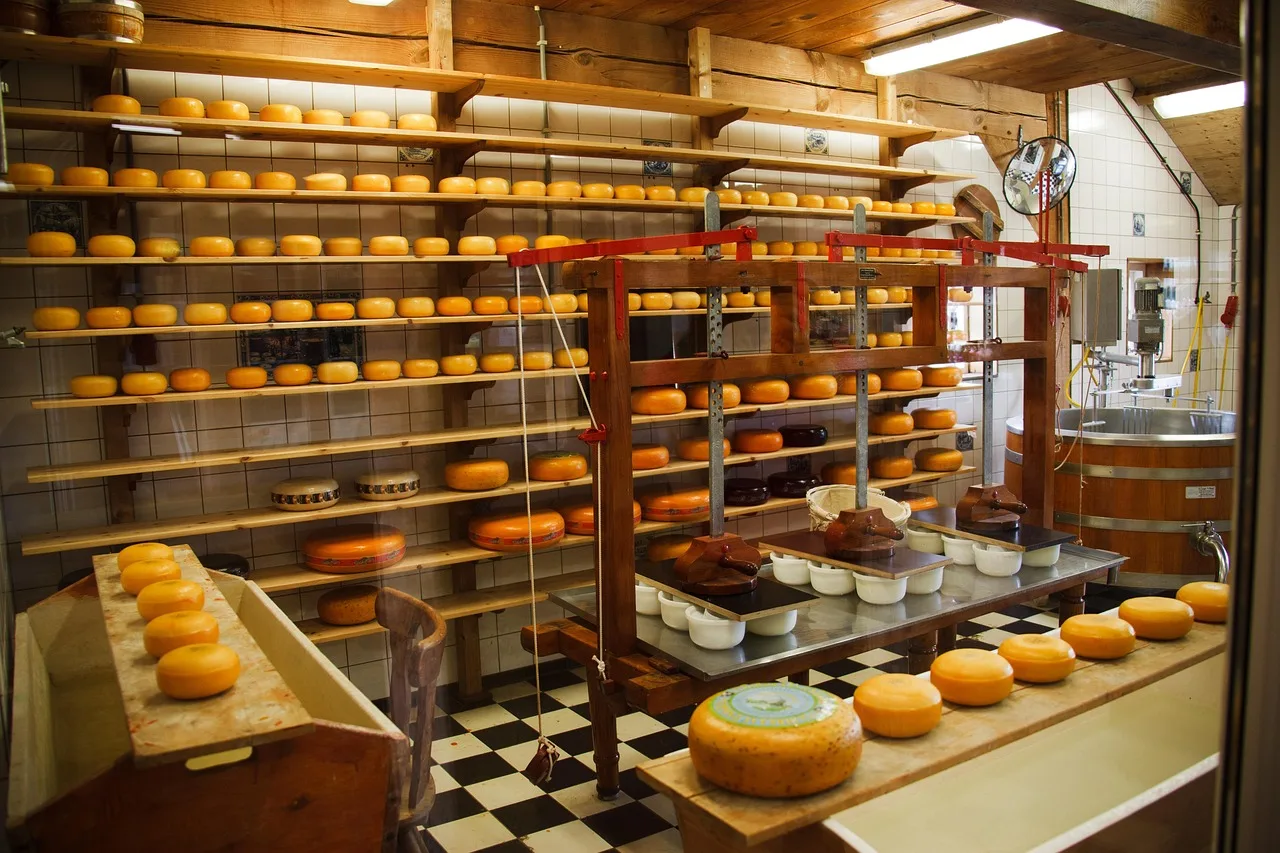
- Cheese follows the same rulethe milk choice constrains everything downstream, and some milks simply will not work.
- Ultra-pasteurized and UHT milk should not be used for cheesemaking, because the heat treatment stops the proteins coagulating.
- Preserves and spreads are a family of distinct products with different set mechanisms, not one product with different labels.
Why the founding story is the least interesting part
Every fermented food company has a story about a grandmother, a farm, or a rediscovered recipe. None of it predicts whether the jar in front of you is good. Salt ratio, cabbage variety, fermentation temperature, time, and whether anything was swapped in for cost do predict it.
Those decisions are documented, just not on the label. Extension services publish them because the same choices face anyone fermenting at home. Ohio State University Extension and Penn State Extension treat salt, temperature and acidity as the variables that decide the outcome.
The numbers behind a jar of kraut or kimchi
Ohio State University Extension's sauerkraut guidance works out to 2 to 3 percent salt by weight of the cabbage, or 3 tablespoons of canning salt per 5 pounds of shreds. Weigh both, and the ratio holds at any batch size.
Salt pulls water from the cabbage to form brine, and it favors lactic acid bacteria over molds and spoilage organisms. Too little and the wrong microbes take the jar. Too much and the lactic acid bacteria stall.
Temperature: kraut wants 68 to 72 F. Above 75 F it softens and can turn slimy within a week. Below 60 F it still ferments, just slowly, and the crock can sit six weeks or more.
The shreds must stay under the brine. Home options include glass weights such as Masontops Pickle Pebbles, airlock lids from Fermentools, or a water-sealed crock from Harsch or Ohio Stoneware.
Kraut is usually ready in 3 to 4 weeks at 70 F. Kimchi often takes 1 to 5 days at room temperature, then moves to the refrigerator.
The safety line for fermented vegetables is a finished pH of 4.6 or below. Good kraut typically lands between 3.3 and 3.6, and a roll of pH strips costs about $10 to $15.
Refrigeration is the tell on the shelf. Unpasteurized kraut and kimchi are sold chilled and labeled keep refrigerated. Pasteurized jars sit at room temperature for months and hold no live cultures.
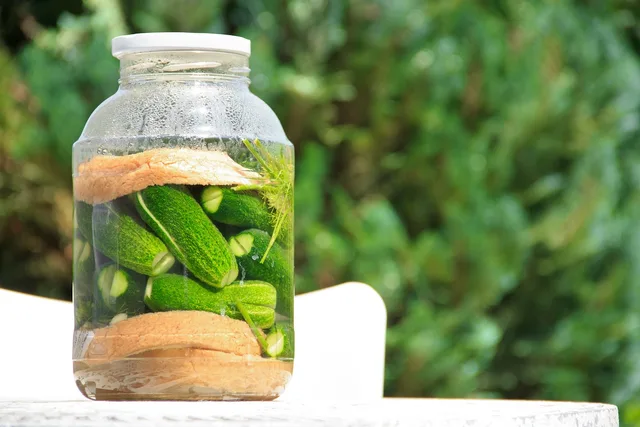
Bubbies packs naturally fermented pickles in cucumbers, water, salt, dill and garlic, with no vinegar, and sells them refrigerated. Wildbrine, in Sonoma County, California, makes refrigerated sauerkraut and kimchi from cabbage and salt.
Real Pickles in Greenfield, Massachusetts, is a worker-owned cooperative selling organic, unpasteurized kraut and pickles wholesale. Firefly Kitchens in Seattle makes small-batch kraut, kimchi and fermented carrots. Mother In Law's Kimchi in Los Angeles sells refrigerated Napa cabbage kimchi by the jar.
A 16 to 24 ounce jar from that chilled set typically costs $6 to $12 in most US supermarkets. A shelf-stable, pasteurized jar of the same size runs $2 to $4.
Cheese, where the raw material decides the outcome
The same logic runs through cheese: the input sets the ceiling. Penn State Extension's home cheesemaking guide shows how tightly constrained the process is. Regular pasteurized grocery store milk is easiest for home cheesemakers. Do not use ultra-pasteurized or ultra-high temperature milk, because those heat treatments keep proteins from coagulating into curds.
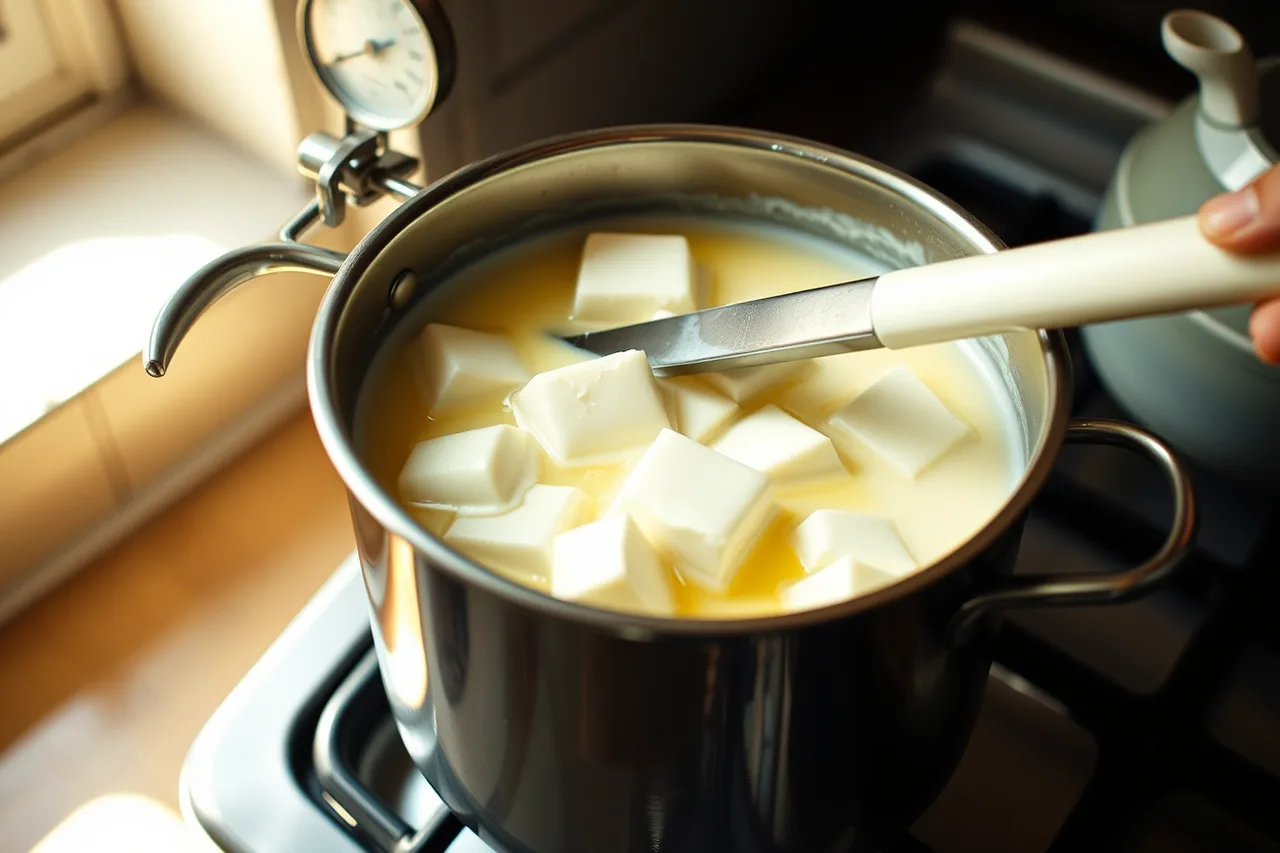
Homogenization makes fat globules uniform. Most home recipes use homogenized milk, which may give a softer curd; commercial cheesemakers use unhomogenized milk.
Homogenization also draws a line a marketing story would blur. Some commercial cheeses are made from raw milk, with extra precautions. Penn State does not recommend raw milk for home cheesemaking because of the requirements for producing raw milk cheeses and concerns with pathogens.
Substituting cow for goat or sheep milk does not simply change the flavor either; it does not necessarily give the same finished cheese at all.
Preserves are a family, not a brand category
Ohio State University Extension's guide to jams, jellies, and other fruit spreads separates products people treat as interchangeable. Jams are crushed or chopped fruit cooked with sugar; they hold shape but are looser than jelly. Jellies are cooked fruit juice and sugar, clear and firm enough to quiver when moved.
Preserves hold small whole fruit or uniform pieces in a clear, slightly gelled syrup. Conserves are jam-like, may mix fruits, and can include nuts, raisins, or coconut. Marmalades are soft fruit jellies with small pieces of fruit or peel, often citrus.
Their characteristics depend on the fruit, its preparation, the ingredients and their proportions, and the method. That is a list of process decisions, and it is what distinguishes one jar from another.
What to read instead of a founding story
| Instead of | Ask |
|---|---|
| The founder's story | What is the process, in one paragraph |
| Heritage recipe claims | Is it made to a tested process |
| Small batch language | What batch size, and does it matter here |
| Traditional methods | Which method, and what does it change |
| "Naturally fermented" on the label | Chilled and unpasteurized, or shelf-stable and pasteurized |
| Salt and temperature claims | The salt percentage by weight, and the fermenting temperature |
Our piece on the jar's design history covers the same argument for equipment, and the watchlist for fermented food covers what to ask of a product you are considering.