Reviews
Part of Home fermentation, from a jar of kraut to the canning safety line
Reading a home fermentation by its bubbles, smell, and the moment to stop
Home fermentation tasting: the sensory checkpoints that tell you a vegetable ferment is working, plus the signs that mean stop and start again.
What to take away
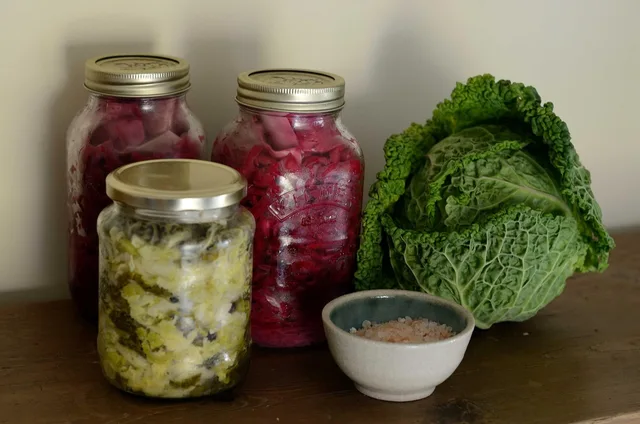
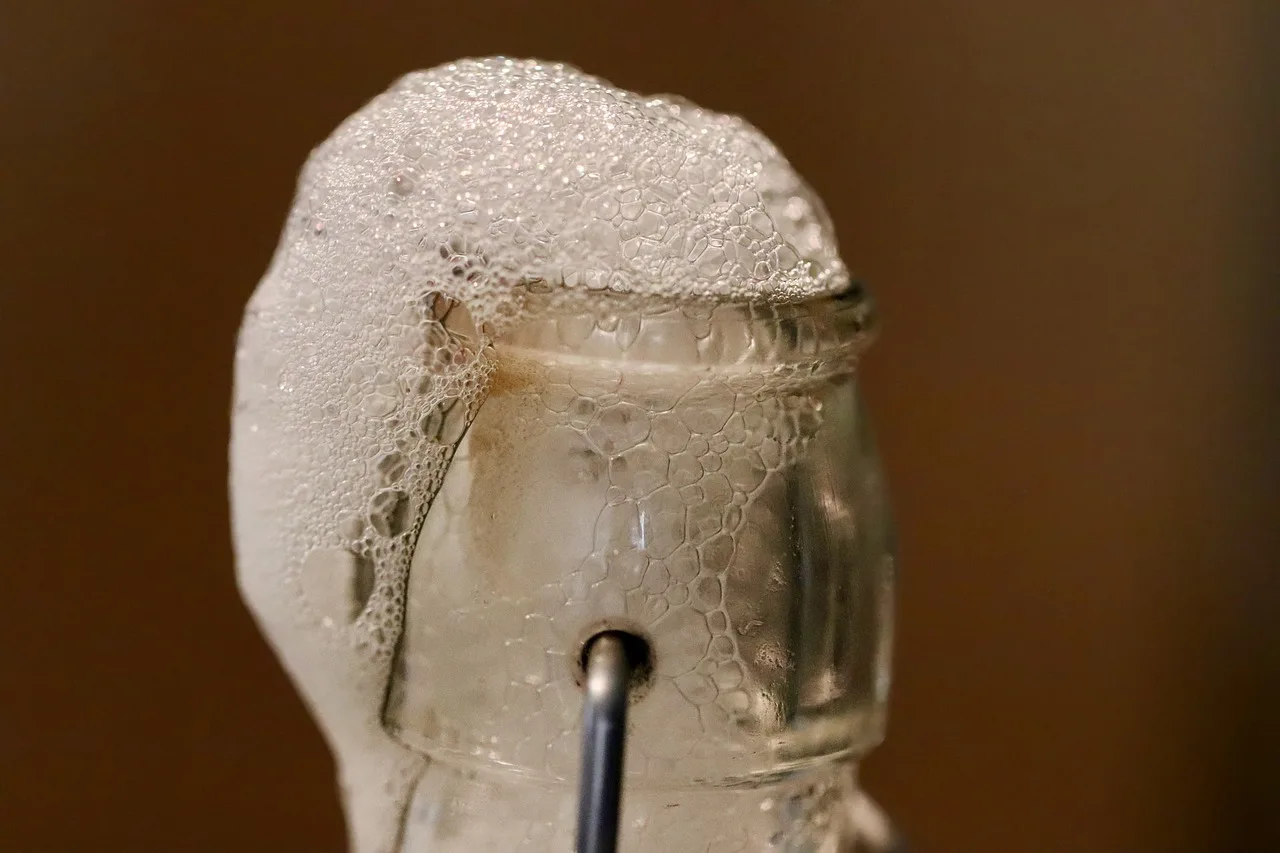
- Bubbling, a clean sour smell, and a slow build of tartness are the three signs a vegetable ferment is doing its job.
- Tasting is for judging flavor, not for judging safety. Some spoilage is decided by sight and smell alone.
- A white film that is not fuzzy and not in round patches is kahm yeast, which extension guidance treats as safe. Fuzzy or colored patches are mold.
- Slimy texture, softening, or a rotten smell means the batch goes in the trash, not on a plate.
Taste on a schedule, not on impulse
Wait a week before judging the jar. Early kraut tastes salty and grassy because the acid has not built yet.
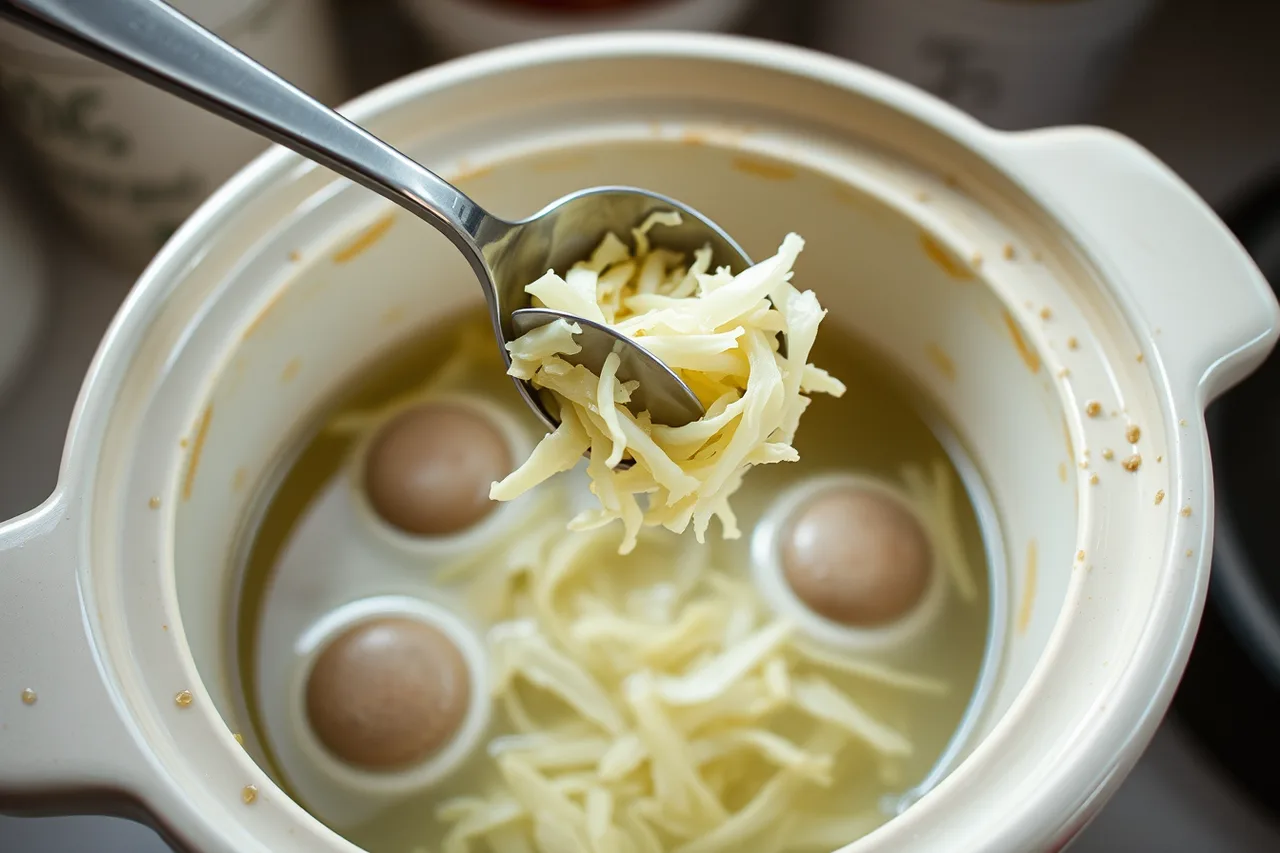
Pull a small amount with a clean utensil, never your fingers, and return the jar under its weight at once. For a crock, skim surface scum first so you do not push it down into the brine.
Keep the samples small. Every time you open the vessel you let oxygen in, and oxygen is what surface yeasts and molds want.
What each sense is actually telling you
| Sign | What it means |
|---|---|
| Steady bubbling | Lactic acid bacteria are producing carbon dioxide |
| Cloudy brine | Normal in an active ferment; not a fault by itself |
| Clean sour smell | Acid is building the way it should |
| Rotten or cheesy smell | Stop. Do not taste. Discard |
Illinois Extension's guidance on fermenting lists bubbling, a pleasant but slightly sour aroma, and a developing tang as the readiness signs, and says plainly that anything smelling spoiled or rotten should be discarded.
Sour is a dial, not a finish line
There is no single moment when a ferment is done. A shorter fermentation gives a milder product, and a longer one gives more tang. Acid is what changes with time. Decide by taste within the window the recipe allows, not by a fixed day.
Once the jar goes in the refrigerator, flavor keeps shifting slowly. A kraut you liked at four weeks will be sharper two months later.
The stop signs
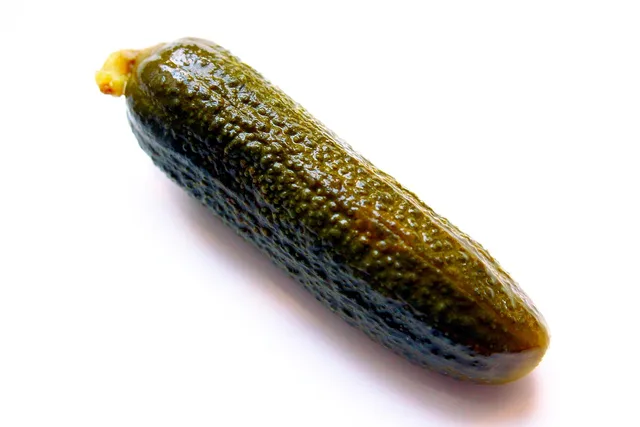
The USDA directions for fermented dill pickles carry a blunt caution: if the pickles become soft, slimy, or develop a disagreeable odor, discard them. That is the rule for vegetable ferments generally. Softening usually means the salt was low, the temperature ran high, or the blossom end was left on the cucumber. None of those are fixable after the fact.
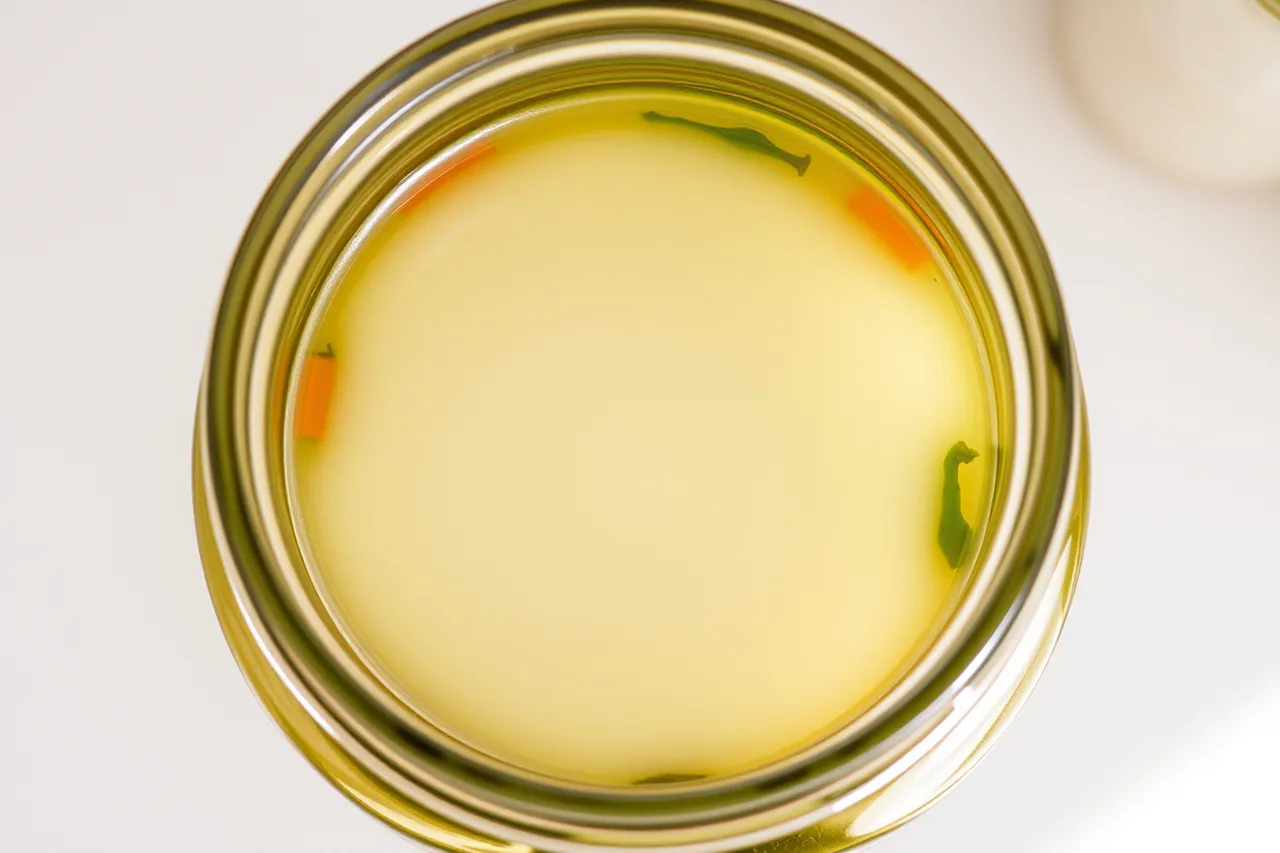
Mold on the surface is a different case from a smooth white film. Remove surface growth promptly and keep the vegetables submerged. If mold has been growing into the vegetables rather than sitting on the brine, the batch is finished.
Write down what you tasted
A tasting note is useful only when attached to numbers: salt weight, room temperature, day count. Two jars that taste different almost always differ on one of those three.
Our starting point for home fermentation covers the ranges those numbers should sit in. The notes on serving ferments cover what happens to flavor once heat gets involved.