Guides
Part of Planning a full year of fermentation projects that each teach something
A practical fermentation project: sampling one batch of fermented dill pickles over time
Sample one batch of fermented dill pickles at set intervals, record temperature, color, texture and sourness, then compare a canned jar with a refrigerated one.
What to take away
- Compare one batch across time, not five batches against each other. Time is the variable you can actually isolate.
- Pull small samples on a fixed schedule with a clean utensil, and record temperature every time.
- Include a canned sample in the flight. Heat processing changes texture and stops the acid climbing.
- Skip any sample from a batch showing softening, sliminess, or a bad odor. That batch is a disposal, not a tasting.
Set the flight up before you start the batch
Decide the sampling days at the beginning: day 7, day 14, day 21, and the finish. Fermented dill pickles run about three to four weeks at 70 to 75 F and five to six weeks at 55 to 65 F, so pick intervals that fit your kitchen rather than copying someone else's calendar.
Fermented dill pickle sampling schedule
- Day 7first sample
- Day 14second sample
- Day 21third sample
- Finishfinal sample
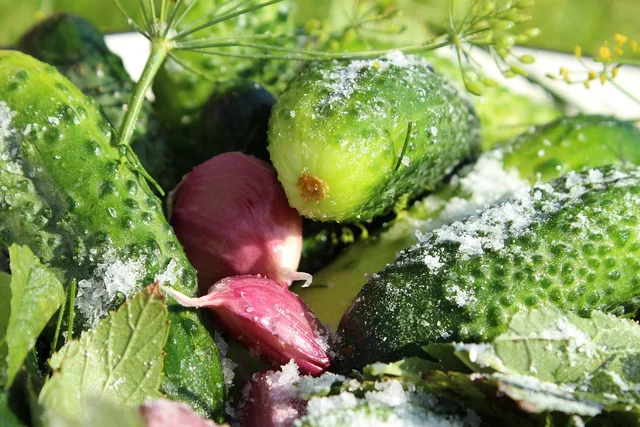
Ohio State University Extension's guide to making fermented dill pickles sets out those windows and the details that make samples comparable. Use 4 inch pickling cucumbers within 24 hours of picking, slice 1/16 inch off the blossom end, and use non-iodized canning or pickling salt and 5 percent acidity vinegar.
Keep everything else fixed. One container, one salt weight, one room.
Pull the samples properly
- Skim surface scum before opening, so nothing gets pushed under the brine
- Use a clean utensil each time, never fingers
- Take two or three pieces, not a bowlful
- Re-cover and re-weight immediately, keeping vegetables 1 to 2 inches under brine
- Note the room temperature at the moment you sample
What to record for each sample
Column / What you write
- Day
- Days since the ferment started
- Temperature
- Room reading at sampling
- Color
- Bright green through olive to yellow-green
- Texture
- Crisp, yielding, soft
- Sourness
- A 1 to 5 scale you keep consistent
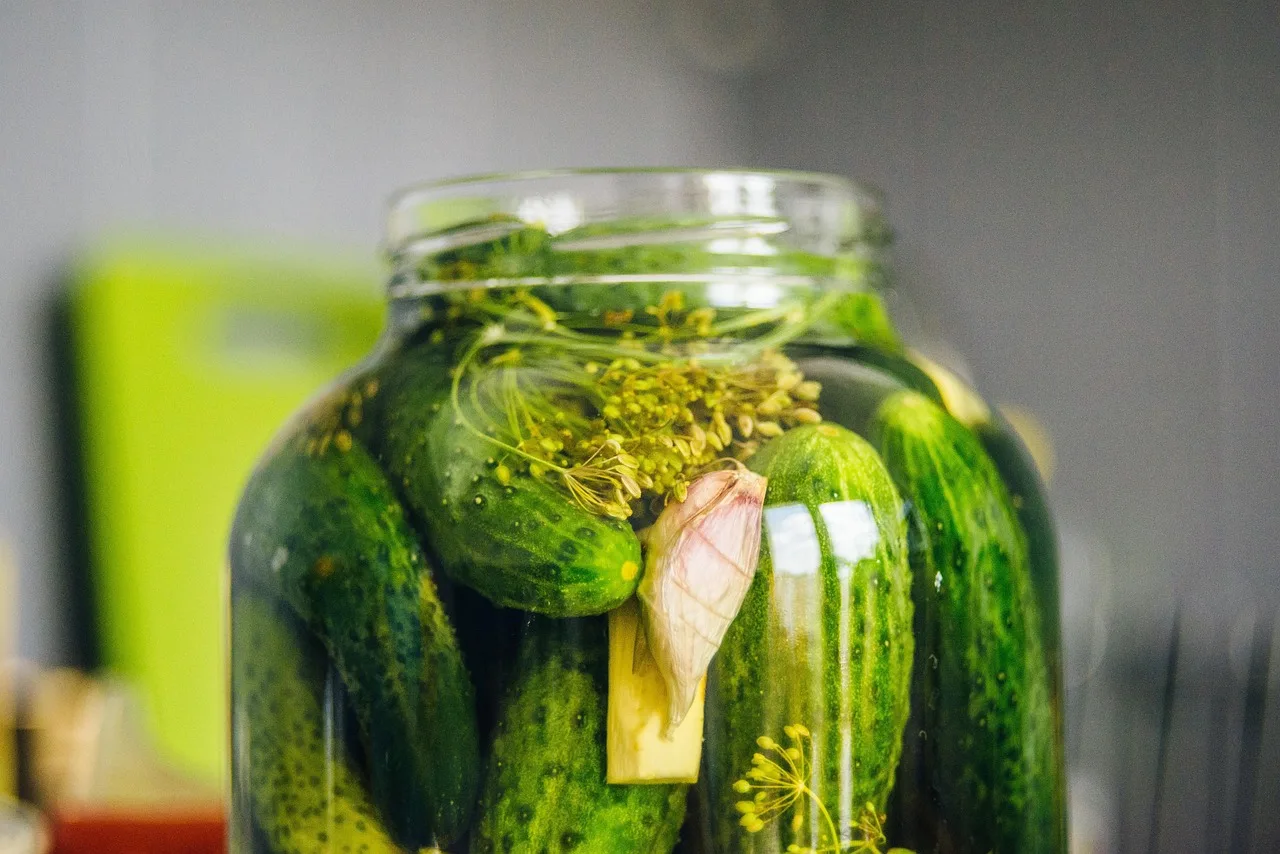
Color is a genuine progress marker for cucumbers, not a decoration. Fermented cucumbers shift from bright green toward olive as acid builds, and the interior turns uniformly translucent.
Add the canning comparison at the end
When the batch is finished, can part of it and keep part refrigerated. A month later, taste them side by side. The canned jar will be softer and its sourness will have stopped moving; the refrigerated jar will keep sharpening. That single comparison tells you which ending you actually prefer, which is worth more than any recipe recommendation.
Do the same comparison a second time six months later if you can spare the jars. Most people find their preference moves once the novelty of the live jar wears off and the canned one is simply the jar that is always there.
Do not chase crispness with additives
Illinois Extension's pickling FAQ covers firming shortcuts people reach for after a soft batch.
Alum may safely firm fermented pickles but is unnecessary. Grape leaves contain tannins that inhibit the softening enzyme, but removing the blossom end makes them unnecessary and they can add bitterness. An ice bath before making refrigerator pickles may help crispness but is not required, and the lasting fix is the blossom end, the salt, and the temperature.
Our guide to reading a ferment covers what each sense is telling you at the moment of tasting, and the year plan covers where a flight fits in a season.