Guides
Part of Fermentation Jars Comparison: 5 Vessel Differences
Fermentation jars how to compare vessels in a blind tasting
A practical “fermentation jars how to” test: split one cabbage batch among a water-seal crock, a weighted jar under cloth, and a valve-lid jar; taste blind.
What to take away
- The vessel changes how much oxygen reaches the surface, and oxygen is what surface yeasts and molds want. That is where the flavor difference comes from.
- Split one prepared batch across vessels on the same day, in the same room, with the same salt weight.
- Expect the difference to show up as surface quality and off notes, not as a different kind of sourness.
- Recipes are tied to their sources. Check the date on any document you follow, because recommendations change.
To answer “fermentation jars how to compare,” use a controlled split batch: keep the cabbage, salt, room, and shelf the same, and change only the vessel.
Set up the split
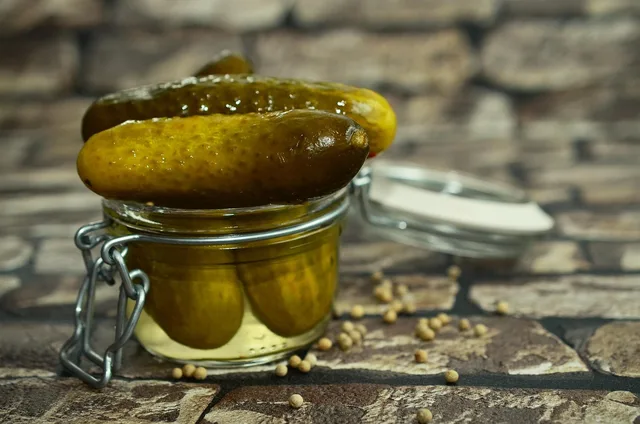
Shred and salt one batch of cabbage, mix it thoroughly, then divide it. Three vessels is enough: a water-seal crock if you have one, a plain jar with a plate or disc weight under a cloth, and a jar with a one-way valve lid. Same salt weight per pound throughout, same room, same shelf.
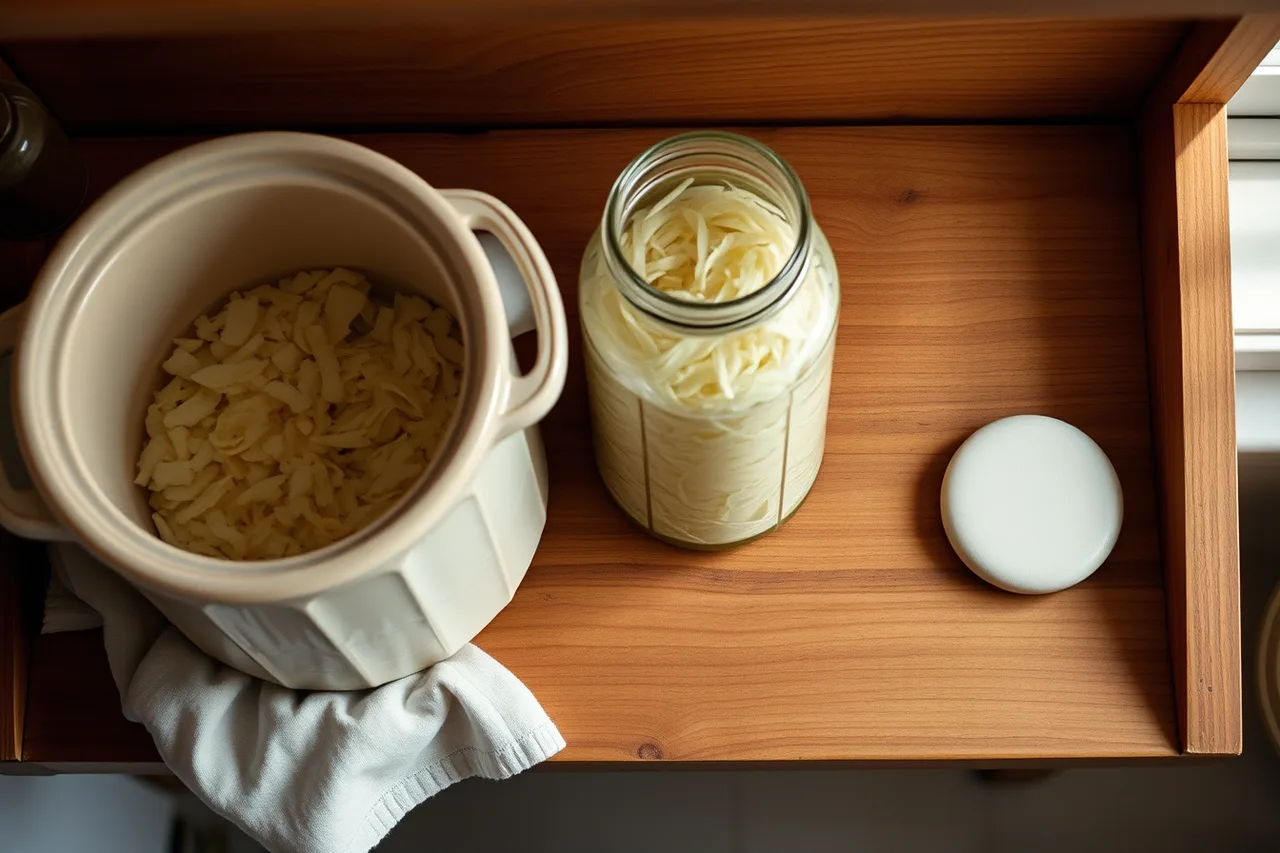
Label them with codes rather than descriptions so you can taste blind later. Record the room temperature daily.
What you are actually testing
Not flavor chemistry. Oxygen exposure. The water-seal crock excludes air continuously; the valve lid mostly does; the open jar under a cloth does not, which is why it needs skimming two or three times a week. The differences you taste at the end are usually a consequence of that: yeasty notes, surface softening, and how much you had to skim.
Temperature is the other variable that will sneak in. A quart jar changes temperature faster than a gallon crock, so if your kitchen swings overnight the small vessel is living a different life. Note it rather than pretending otherwise.
How to run the tasting
| Step | Detail |
|---|---|
| Day count | Taste all three at the same day, not at each one's finish |
| Order | Random, and re-randomize between tasters |
| Sample size | Two or three shreds, at room temperature |
| Palate reset | Plain water and a plain cracker |
| Score | Sourness, salt, texture, off notes, each 1 to 5 |
Write one sentence per sample before comparing scores with anyone else. Group discussion converges opinions fast, which destroys the point.
Check the paperwork behind your recipe
The UC Master Food Preserver program's fermenting publications note that food preservation research is ongoing, so recommendations may have changed since some documents were released. Check the National Center for Home Food Preservation for current guidance.
The collection also notes that some documents refer only to a boiling water canner, while an atmospheric steam canner may be used for high acid foods such as fruits, pickled products, jams, and jellies.
A flight compares vessels, not recipes. Keep the recipe fixed and current.
What the result is worth
Usually one clear finding: the vessel that kept air out needed less attention and tasted cleaner, and the open jar tasted fine if you skimmed it and yeasty if you did not. That is a useful answer, because it tells you whether to spend money on equipment or on discipline.
A vessel will not change everything. A review of the microbiology of fermented foods cites sequencing work showing that the sauerkraut microbiome is established rapidly once fermentation begins and stays stable through fermentation and packaging.
The community that drives the flavor is set early, by the cabbage and the salt, not by the container it sits in. For more on vessel choices, see our comparison of fermenting vessels.