Reviews
Part of Small batch fermenting: how it works, from cabbage to jar
Comparing small batch fermentation without changing two things at once
Small jars make honest experiments possible. How to hold the variables still, why cut uniformity matters, and what a single ingredient can do to a ferment.
What to take away
- Small batches are the right scale for comparison because you can make several from one prepared lot on one day.
- Cut uniformity is a hidden variable. Uneven shreds ferment at uneven rates and confuse the result.
- One ingredient can reshape a ferment. Research on kimchi found garlic content changed both the bacterial community and the metabolites produced.
- Never compare across salt levels in a recipe whose salt is fixed. Compare seasoning, cut, temperature, or time.
Make the batch once, then divide
Prepare more cabbage than one jar holds, salt and mix it as a single lot, then fill three jars from it. Every jar now shares the same cabbage, the same salt weight per pound, and the same working time. Whatever you change afterward is the only thing that changed.
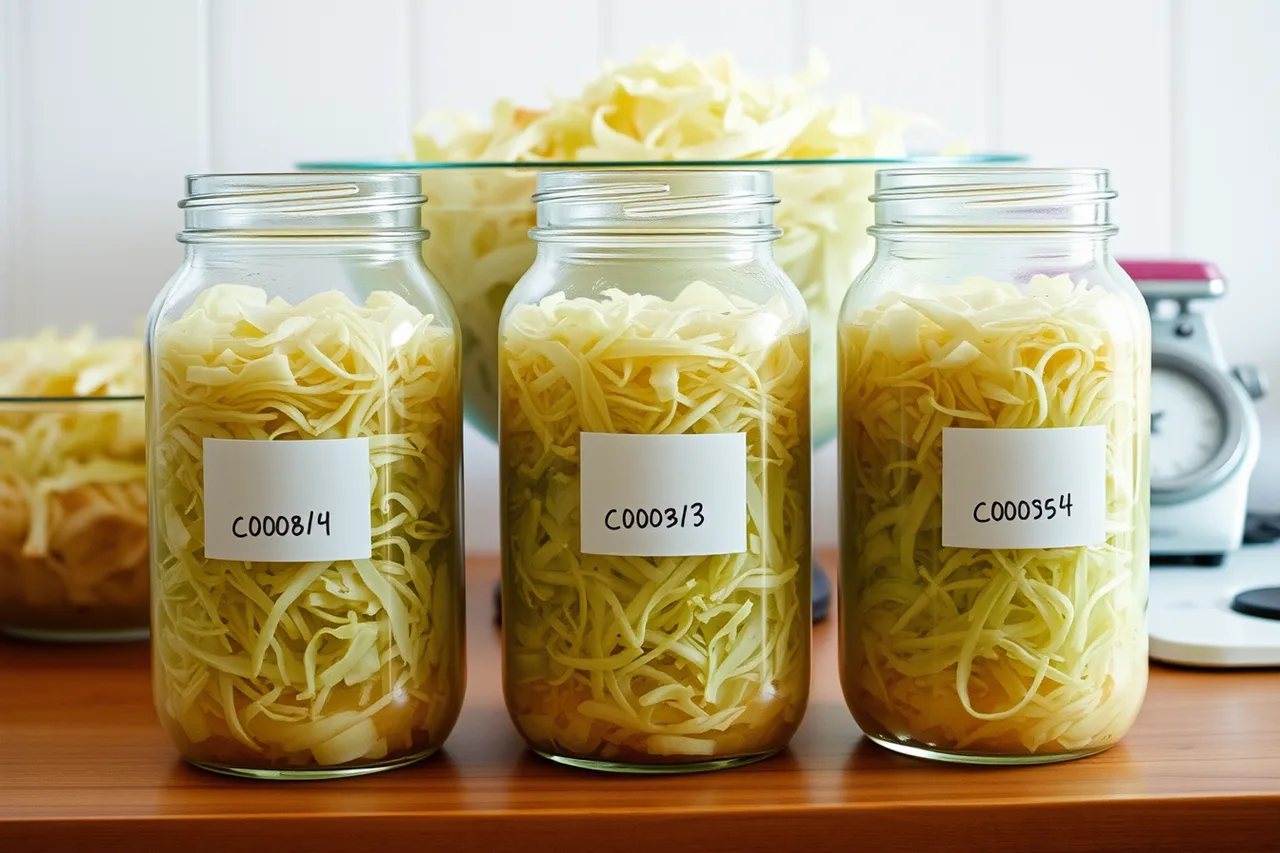
That is harder than it sounds at crock scale, where one batch is one vessel and a second batch means different cabbage on a different day. Small jars are the reason a home fermenter can run a fair comparison at all.
Label with codes rather than descriptions. Taste blind. Write your note before anyone in the room speaks, because the first opinion spoken aloud tends to become everyone's.
Cut uniformity is a real variable
For comparison, Oregon State University Extension's note on the mandolin slicer describes it as a tool for thin, even slices. It has an adjustable blade for thin through thicker cuts and can uniformly slice vegetables, potatoes, cheese, cured meats, and fruits.
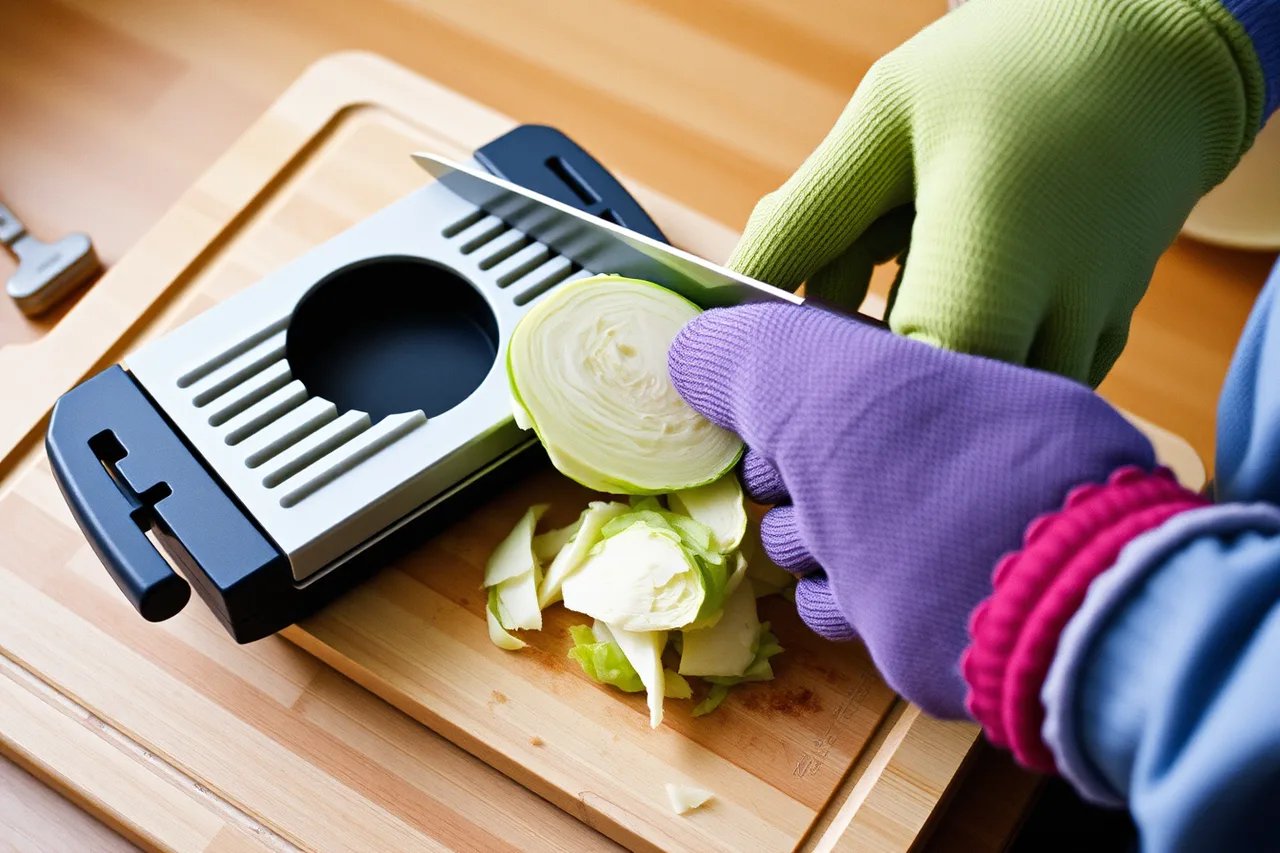
Even slices ferment at an even rate.
The same page carries the warning that belongs with it. Cut-resistant gloves should be worn when working with a mandolin, made from tough fibers such as Kevlar or steel and woven to resist a blade. Use the food grip. A comparison is not worth a cut hand.
What one ingredient can do
A study on the influence of garlic on kimchi fermentation prepared four batches with garlic at 0, 1, 2, and 4 percent by weight. It tracked bacterial communities and metabolites.
In early stages, lactic acid bacteria counts and diversity measures rose with garlic content. Batches with 2 percent garlic or more had more Lactobacillus and Leuconostoc, plus functional diversity differences across carbohydrate, amino acid, and energy metabolism.
That is what a single seasoning change can do underneath a flavor you thought you were only adjusting. It is also a good argument for changing one thing at a time.
The comparison sheet
| Variable to test | Hold fixed |
|---|---|
| Shred thickness | Cabbage, salt, room, day count |
| Seasoning addition | Cabbage, salt, cut, room |
| Fermentation temperature | Everything, and move only one jar |
| Vessel style | Batch, salt, room, day count |
| Day count | Everything, and taste on a schedule |
Score it the same way every time
Sourness, salt, texture, aroma, off notes. A 1 to 5 scale you reuse across sessions is worth more than an elaborate one you invent each time. Add a single sentence describing the finish, which is where most of the useful detail turns out to live.
Our small batch process guide covers the mechanics of getting three comparable jars, and the notes on comparing vegetable ferments cover the wider design questions.