Guides
Part of Fermentation brands and companies: what to watch, without a brand watchlist, in plain terms
How to build a fermentation tasting flight across food categories, from yogurt to tofu
Build a six-sample tasting flight from plain yogurt and fresh curd through sauerkraut, kimchi and kombucha to tofu, with notes on texture, sourness and tofu safety.
What to take away
- A cross-category flight teaches faster than a within-category one, because the differences are large enough to describe.
- Yogurt is the clearest example of fermentation as texture, not just sourness. Heat and acidity both matter to its safety.
- Tofu is not a ferment, and putting it in the flight makes the boundary visible.
- Store tofu below 41 F, eat it by its date, and use it within three to five days once opened.
Build the flight across categories
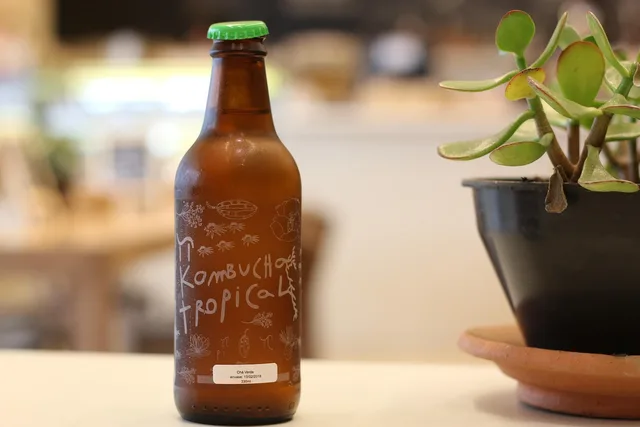
Six krauts taste like six krauts, and after the third one most people are guessing. A flight that moves from yogurt to kraut to kimchi to kombucha to a fresh curd gives you contrasts you can actually name: lactic sourness against acetic sharpness, texture set by protein against texture set by pectin, carbonation against still.

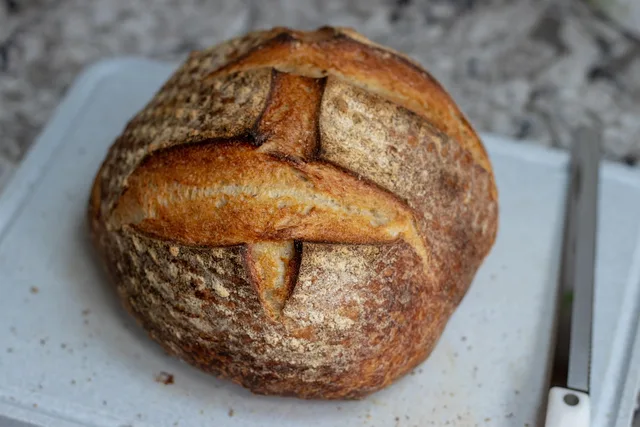
Serve small amounts in a fixed order, with water and plain bread between each. Write your note before you talk to anyone else in the room. The point of the exercise is to build vocabulary you can use later on a single jar, so the words matter more than the ranking.
Yogurt, where fermentation shows up as texture
The University of Alaska Fairbanks Extension guide to making yogurt at home calls yogurt a semi-solid fermented milk product. It originated centuries ago, evolved from traditional Eastern European products, and takes its name from a Turkish word meaning thick.
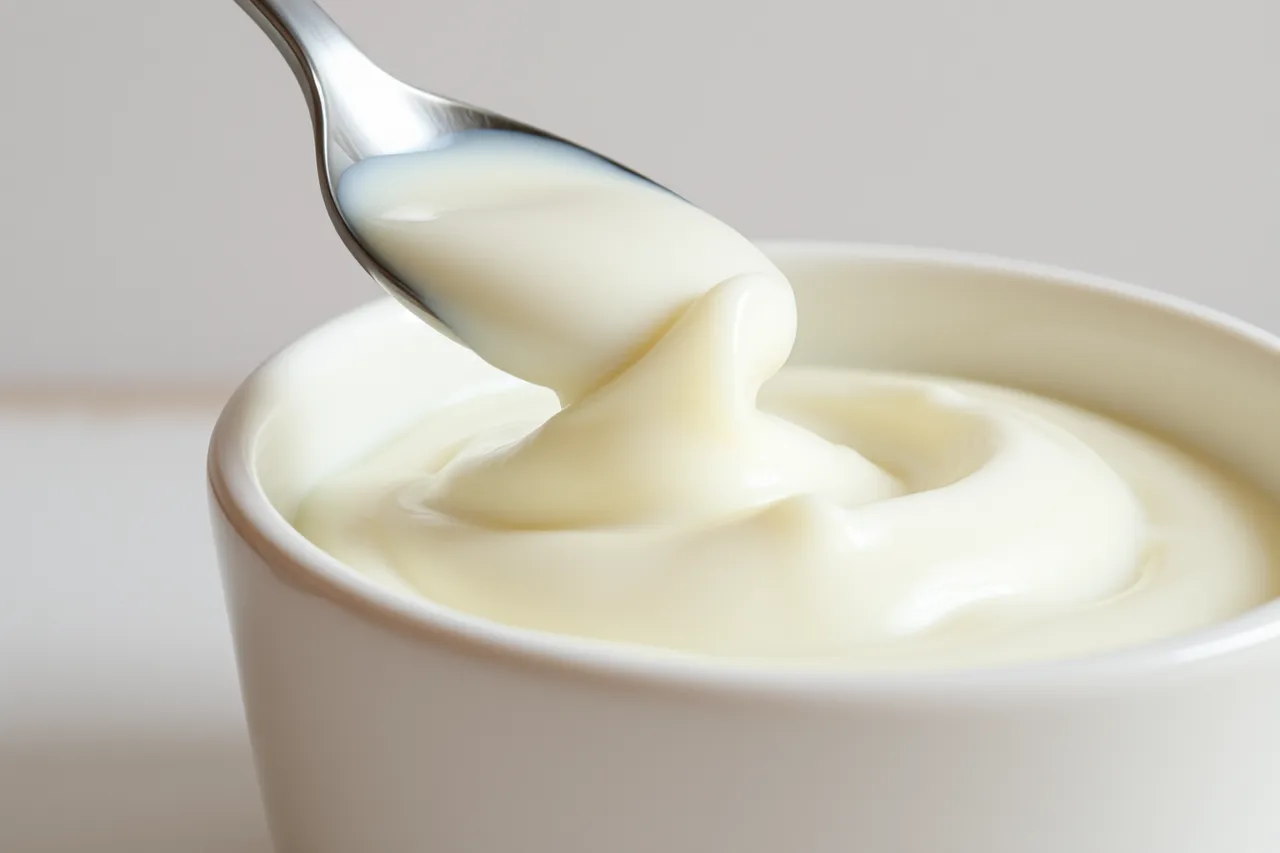
The starter culture partly digests the milk. That makes yogurt easy to digest, even for people who cannot tolerate milk. Fermentation also makes its protein and calcium easier to absorb.
That is the useful contrast for a flight. In a vegetable ferment the bacteria produce acid that preserves. In yogurt the same kind of acid production also restructures the protein, which is why the result is a solid rather than a brine.
Tofu, and why it belongs in the flight
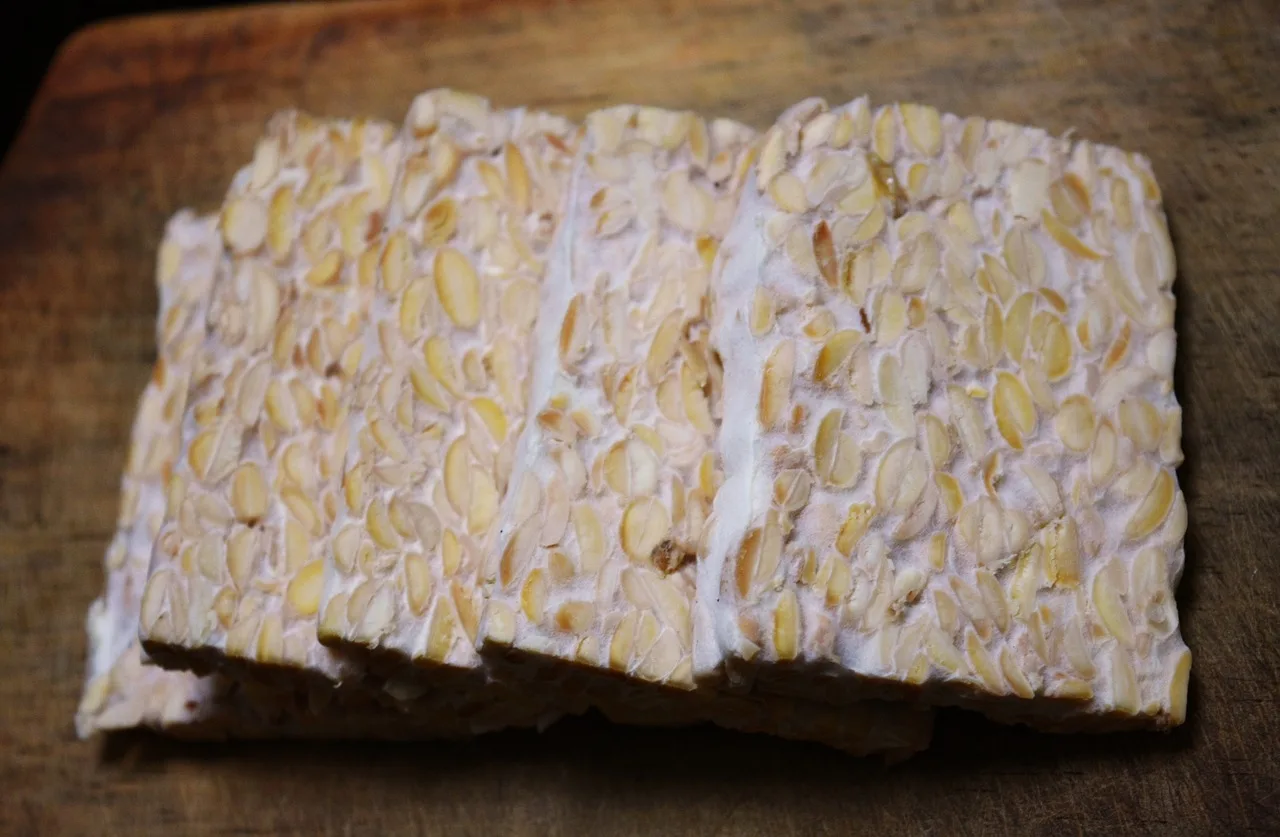
Colorado State University's food source information on tofu puts the boundary clearly. Tofu is made by curdling soymilk with a calcium or magnesium salt, and traditional soy foods split into fermented ones such as tempeh, soy sauce, and miso paste, and non-fermented ones such as soymilk, soy flour, and tofu. Tofu is a curd, not a ferment.
It also carries the storage rules a taster should know. Tofu has been linked to outbreaks involving Yersinia enterocolitica and Clostridium botulinum type A. Store it below 41 F and eat it before the package date, and within three to five days once opened.
Between 2000 and 2020 at least five tofu-associated outbreaks were reported to the CDC's National Outbreak Reporting System. They caused 140 illnesses and 5 hospitalizations.
The flight, in order
| Sample | What to notice |
|---|---|
| Plain yogurt | Lactic sourness, set texture, cooling finish |
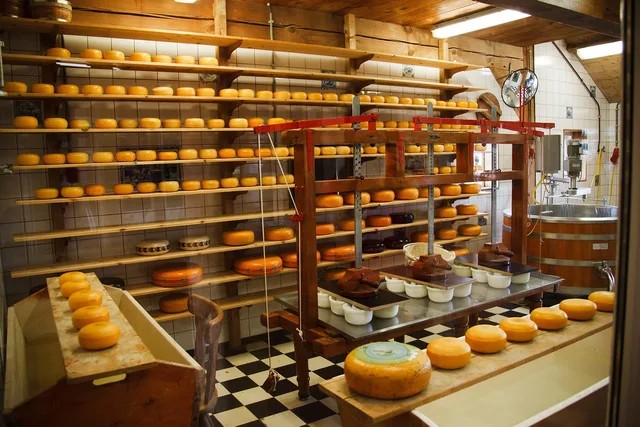
| Fresh curd or simple cheese | Acid or rennet set, mild flavor, salt |
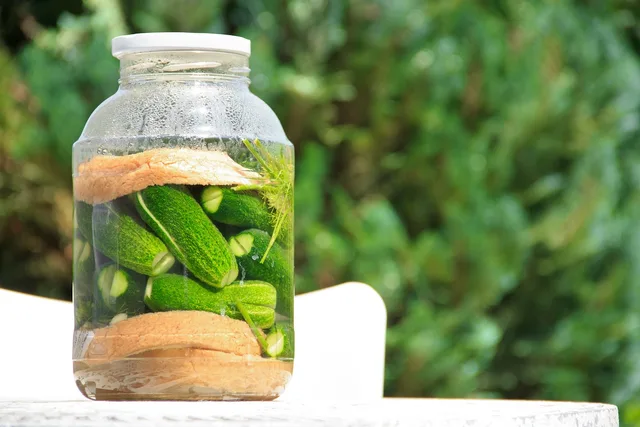
| Sauerkraut | Lactic sourness, crunch, brine salt |
| Kimchi | Shorter ferment, chili, carbonation |
| Kombucha | Acetic sharpness, sweetness, fizz |
| Tofu | The control: no fermentation at all |
What the flight is for
It fixes vocabulary. Once you can tell lactic from acetic, and acid-set texture from salt-drawn texture, every later tasting note gets more precise. Our tasting flight across a ferment's stages covers the time dimension, and the watchlist for fermented food covers the questions to ask about anything you buy for it.