Reviews
Part of Fermentation brands and companies: what to watch, without a brand watchlist, in plain terms
4 questions a shop should ask a local supplier before stocking fermented and preserved foods
Four questions a shop should ask a local supplier before stocking fermented and preserved foods, covering salsa, infused honey, and shelf stability.
What to take away
- Four questions a shop should ask before stocking fermentation brands: which tested recipe and who validated it, whether shelf stability comes from process or refrigeration, whether an infusion raised water activity, and what the label declares.
- Salsa mixes low-acid and high-acid foods, and improperly canned tomato-pepper combinations have caused more than one botulism outbreak.
- Infused honey is not plain honey. Adding moist or low-acid ingredients can raise water activity enough for microbes to grow.
- Never sell honey for infants under one year old without the warning. Pasteurization does not kill botulinum spores.
- Local and homemade-style products need a documented process behind them, not a nice label.
Salsa is the category to scrutinize
Ohio State University Extension's guide to canning salsa states the risk directly: most salsa recipes mix low-acid foods such as onions and peppers with higher acid tomatoes. Improperly canned salsas and other tomato-pepper combinations have been implicated in more than one outbreak of botulism.
Salsa canning rules
May vary
- Spices
- vary freely
- Vegetables
- —
- Acid
- —
- Thickener
- —
- Recipe
- —
Must not vary
- Spices
- —
- Vegetables
- listed amounts only
- Acid
- stated vinegar or lemon
- Thickener
- no flour or cornstarch
- Recipe
- research-tested only
Home canners should use only research-tested recipes, follow directions carefully, use the listed amounts of each vegetable, and add the stated amount of vinegar or lemon juice. Spices may be varied; the vegetables and acid may not. Salsas should not be thickened with flour or cornstarch before canning.
The same guidance says untested fresh salsa recipes can be kept several weeks refrigerated or frozen up to a year. That is the right home for a favorite recipe that was never tested for canning.
For a retailer, this becomes the first question to a local supplier: which tested recipe is this, and who validated it?
Infused honey is a different product from honey
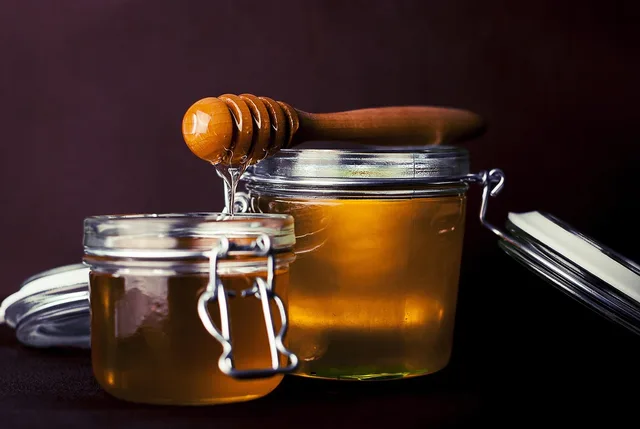
Oregon State University Extension's guide to infusing honey safely explains why. Honey's long shelf life comes from high sugar content and low available moisture, and microorganisms stay dormant in it because there is not enough moisture to grow.
How infusion raises honey risk
- Honey: high sugar, low moisture
- Microorganisms stay dormant
- Infusion adds moisture or moist ingredients
- Water activity rises
- Microorganisms break dormancy
- Bacteria grow at ingredient interface
Infusion often adds moisture or moist ingredients, and if enough is added the water activity can rise until microorganisms break dormancy. Risk is highest when the infusion ingredient is low in acid. Laboratory trials have confirmed that bacteria grow at the interface between the submerged ingredient and the honey despite honey's reputed antimicrobial properties.
The same publication carries a rule every shop selling honey should know. Infants under one year should never consume honey. Clostridium botulinum spores occur naturally in it and can infect their intestines, causing infant botulism. Pasteurization does not kill those spores.
The shelf checklist
- Refrigerated ferments held cold, dated, and rotated
- Shelf-stable acidified products from suppliers who can name their process
- Salsa and tomato-pepper products only from tested recipes
- Infused honeys and oils questioned about acidification or refrigeration
- Honey shelved with the infant warning visible
- Nothing homemade sold on the strength of a story
The four questions to put to a local supplier
- Which tested recipe is behind this, and who validated it?Ask for the recipe and the authority that published it. Ask what the finished pH is, if the maker measures it. A shelf-stable salsa needs a tested recipe, and an untested favorite belongs in the refrigerator.
- Is shelf stability from the process or from refrigeration?An acidified, heat-processed jar and a refrigerated ferment are different supply chains, different shelf lives and different rules. Ask which one you are buying.
- Does the infusion raise water activity, and is the product acidified or refrigerated?This is the infused honey and infused oil question. Low-acid additions are the ones to press on.
- How are lots coded, and are allergens declared?Ask whether the code appears on the jar. Allergens matter more than people expect in fermented foods, where fish sauce and shrimp paste turn up in kimchi and soy and wheat in anything using soy sauce.
A supplier who answers those easily is worth stocking. A supplier who is offended by them is telling you something useful about how the product is made.
Our checklist for jars and canners covers the hardware side of the same counter, and the watchlist for fermented food covers judging a product on its own terms.