Reviews
Part of Home fermentation, from a jar of kraut to the canning safety line
Fermentation kits and boxes: what to check before you subscribe, updated for 2027
No brand ranking here, and here is why. A checklist for judging a fermentation starter kit or subscription box against what the tested directions require.
What to take away
- This article names no brands and ranks no boxes. We have not bought and run them, and a list assembled from marketing copy would be worth nothing.
- A kit is only useful if it lets you hit a measured salt concentration and keep the vegetables submerged. Everything else is convenience.
- Check the container material before you check the price. Metal other than high-grade stainless, and old lead-glazed crocks, do not belong in a ferment.
- A scale that reads grams matters more than any lid, weight, or crock in the box.
Why there is no ranked list
A tested-product roundup means buying the products, running them against the same recipe, and reporting what broke. We have not done that, and neither have most of the roundups you will find. What follows is the checklist we would use to judge one, drawn from the equipment guidance that extension services publish.
What a kit has to get right
Illinois Extension's page on fermenting equipment lists the practical requirements. Use food-grade glass or BPA-free plastic containers. If you use metal, choose high-grade commercial stainless steel only.
What a fermentation kit needs
- Scale reading grams for salt
- Vessel sized to the batch
- Weights holding veg under brine
- Lids that release carbon dioxide
- Recipe naming a source
Skip copper, iron, galvanized metal, and lead-glazed crocks. Use plastic jar lids rather than metal, because metal degrades in a salty acidic environment. Plan 1 gallon of container space for every 5 pounds of fresh vegetables.
- A scale reading grams, or the salt percentages are guesswork
- A vessel of the right size for the batch, not a token 500 ml jar
- Weights that actually fill the jar mouth and hold vegetables 1 to 2 inches under brine
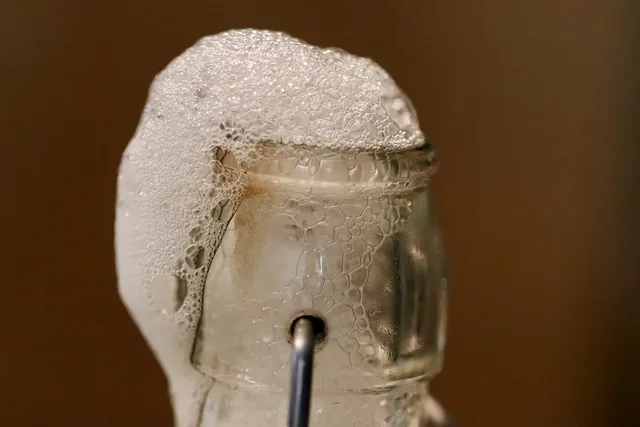
- Lids that let carbon dioxide out
- A recipe that names a source, ideally a university extension or USDA publication
The container question, answered by the directions
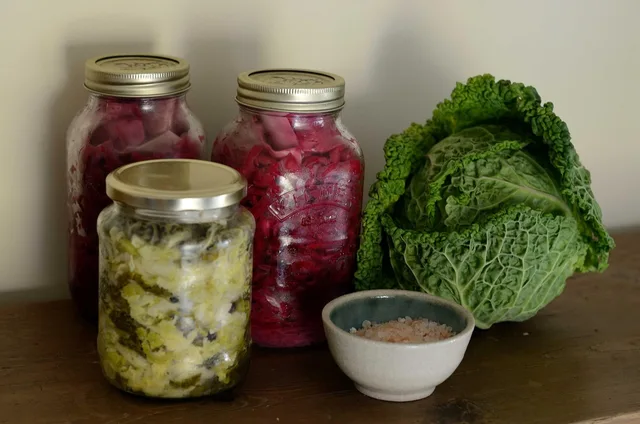
The National Center for Home Food Preservation's guidance on containers, covers, and weights is specific. Plan a 1-gallon container per 5 pounds of vegetables, or a 5-gallon stone crock for about 25 pounds of cabbage or cucumbers. Food-grade plastic and glass are good substitutes for stoneware.
Container size by vegetable weight
- 1 galper 5 lb vegetables
- 5 galcrock for 25 lb cabbage
- Quart/half-galMason jars, riskier
Foods must contact only food-grade plastics, never garbage bags or trash liners. The guidance also notes that fermenting sauerkraut in quart and half-gallon Mason jars is acceptable, but may lose more batches to spoilage.
That last point matters for kits, because small jars are exactly what most boxes ship.
What boxes tend to get wrong
The recurring faults are all measurement faults. Salt comes in a sachet by volume, not weight, so the concentration is unknown, and flavored or unspecified salt appears when the directions call for canning and pickling salt.
Recipes give a fermentation time without a temperature, but temperature sets the time. Weights are sized for a photograph, not the jar mouth they ship with.
Judge the box on those four points. If it clears them, the rest is packaging, and packaging is what you are paying the premium for.
Our starting point for home fermentation covers the numbers a kit should be helping you hit, and the comparison of fermentation jars covers the vessel on its own terms.