Reviews
Small batch fermenting storage: fridge and freezer
Small batch fermenting storage covers how refrigeration changes live ferments, what freezing does to texture, and simple habits for organizing jars.

Archive
Reviews
Small batch fermenting storage covers how refrigeration changes live ferments, what freezing does to texture, and simple habits for organizing jars.
Industry
A guide for small batch fermenting makers: screen products against the steam canner's 45-minute limit, excluded foods, and recipe-specific controls.
Reviews
Small batches change the shopping, not the standards. How to buy a jar's worth of produce well and decide the ending before you leave the shop.
Reviews
Small jars make honest experiments possible. How to hold the variables still, why cut uniformity matters, and what a single ingredient can do to a ferment.
Features
Small batch fermenting options that teach you something: vary one kraut seasoning per jar, keep salt and vinegar as tested, and know which jars stay cold.
Maintenance
Small batch fermenting how it works: a jar of kraut moves faster than a crock, needs daily checks, and is done in one to two weeks at 70 to 75 F.
Reviews
Fermentation supplies tasting: which supply choices you can actually taste in a finished jar, which ones only show up as faults, and which differences are not yours.
Reviews
The fermentation supplies a batch needs, from crock or Mason jar to plate weight, towel cover and pickling salt, and which home ferments can travel as gifts.
Reviews
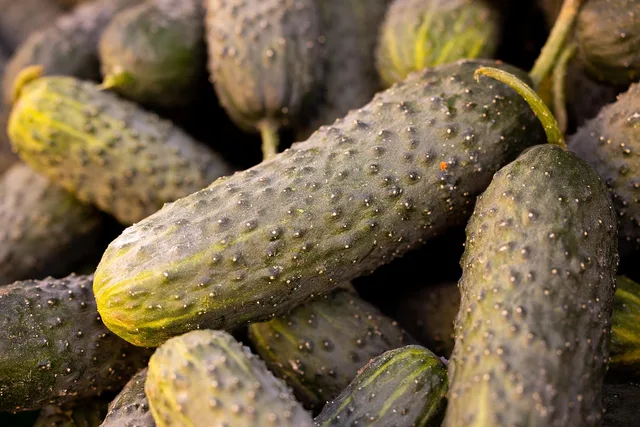
Vegetable ferment ideas buying: texture is decided at the shop, not in the crock. The sizes, varieties, wax rules, and timing that separate a crisp fermented pickle.
Features
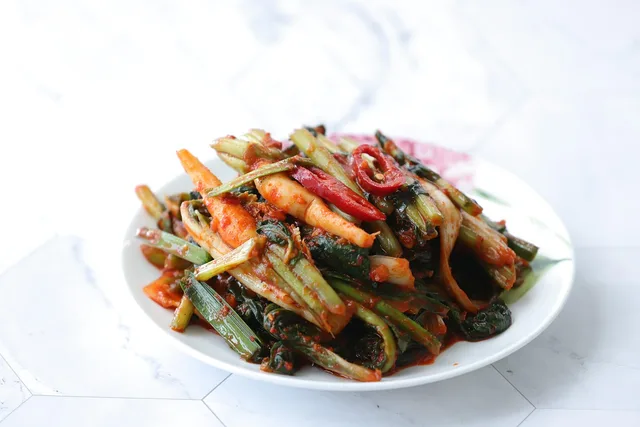
Vegetable ferment ideas options for seasoning kraut, dill pickles, and kimchi, with pepper cautions, refrigerator guidance, and allergen reminders.
Reviews
A home ferment label is a record, not a claim. What to write on it, how long the contents actually keep, and the limits of any label as evidence of safety.
Industry
Home fermentation businesses face different rules depending on whether acidity comes from fermentation or added acid, and whether products stay refrigerated.
Industry
Small weights, one way valve lids and small crocks help home ferments. Acidity, not equipment, decides canning, and tomatoes need added acid.
Costs
Where extra money on a fermentation vessel buys convenience like less skimming, and the one purchase that changes what you may safely make: a pressure canner.
Industry
Fermentation projects trends: kimchi, kombucha, hot sauce and kvass on the rise, steam-canning guidance under USDA rules, and safety limits that hold.
Guides
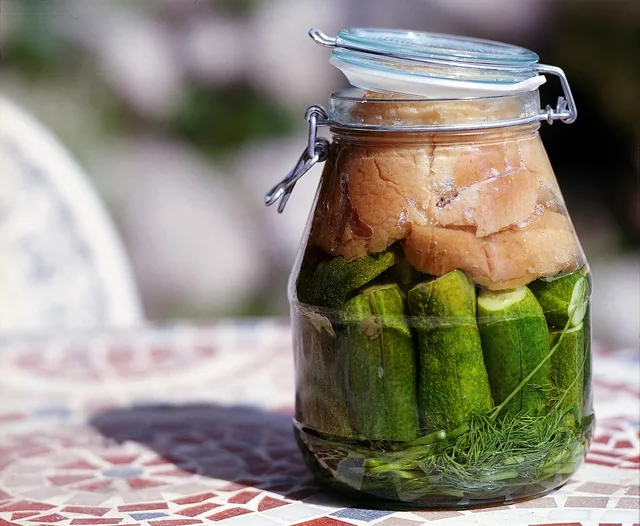
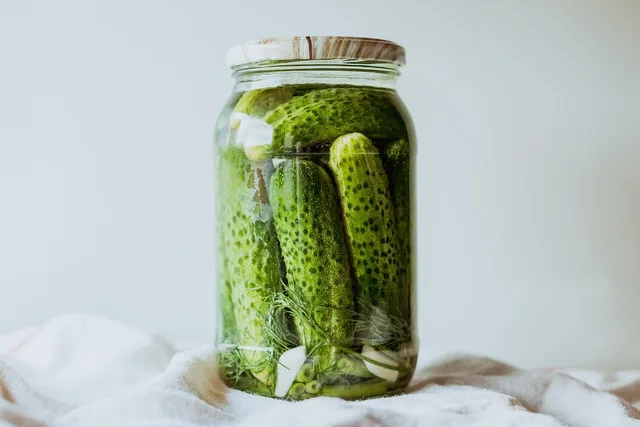
Sample one batch of fermented dill pickles at set intervals, record temperature, color, texture and sourness, then compare a canned jar with a refrigerated one.