Features
5 things Montreal fermenters learn from Quebec's preserving tradition
Fermentation supplies Montreal shops sit inside a Quebec preserving tradition that shapes what you buy, when you source and how you register.
What to take away
- Fermentation supplies Montreal shops sell are shaped by Quebec's preserving tradition, not by a passing trend: expect crocks, salt, maple equipment and seasonal produce advice.
- Maple sap fermentation is a real Quebec practice, and it changes how you think about sugar, wild yeast and timing in spring.
- Named suppliers and workshops around the city each cover a different part of the chain, so you rarely need one store for everything.
- Supplies cost less than most people expectairlocks and salt run to tens of dollars, and a crock is usually the largest single purchase.
- If you sell what you ferment, Quebec business registration and food rules apply before your first market stall.
Why Montreal fermenters start from a preserving tradition, not a trend
Montreal did not discover fermentation in the last decade. The city sits in a province where households put up vegetables, fruit and meat for winter long before fridge space was common. That habit never left.
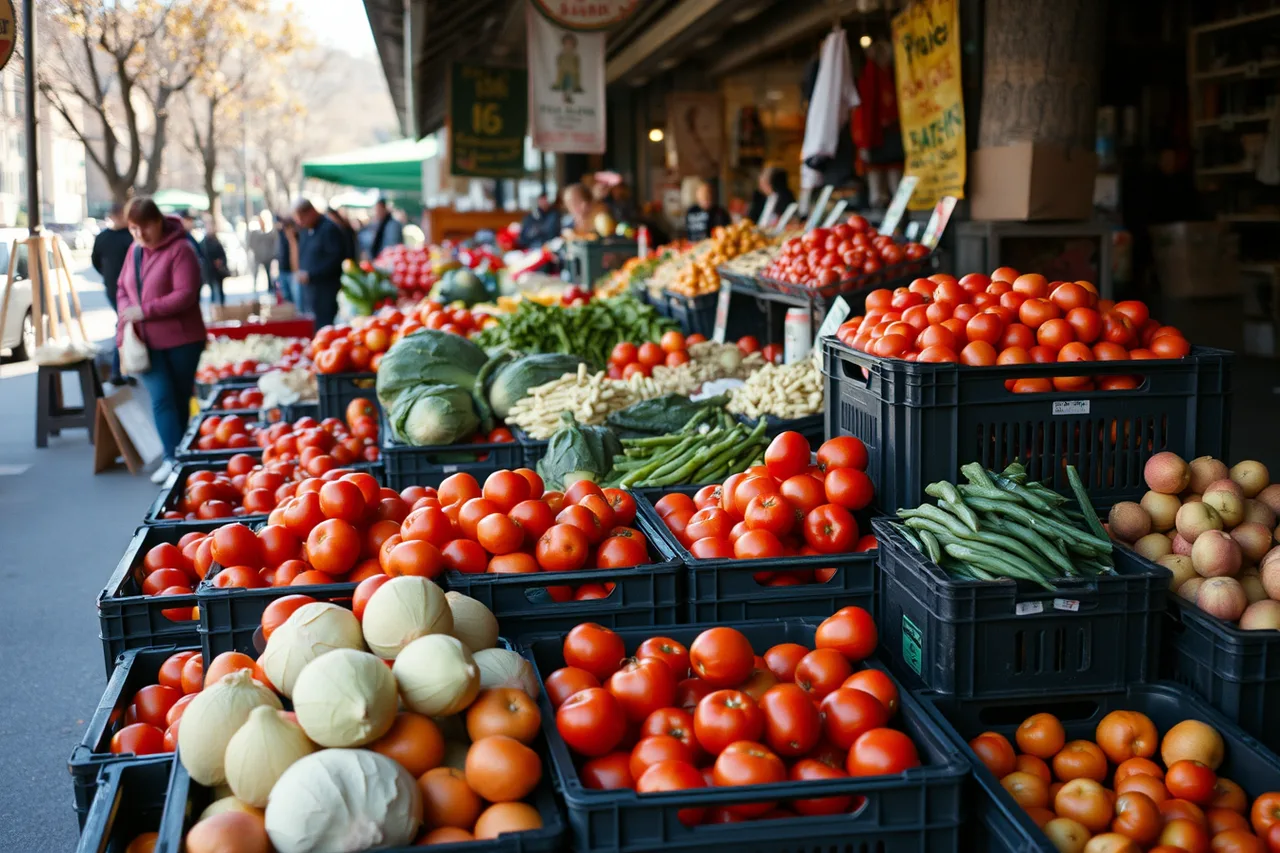
Walk through Jean-Talon or Atwater market in September and you see the logic. Crates of tomatoes, cabbage, beans and apples arrive faster than anyone can eat them fresh. Preserving is the practical answer.
That history matters when you buy equipment. A Montreal fermenter usually wants vessels that hold a full season's worth of produce, not a decorative jar for a shelf. The question is volume and repeatability.
Newcomers often arrive thinking fermentation is a wellness hobby. Long-time residents treat it as a household task, closer to making stock than to a craft project. The two views produce different shopping lists.
This is also why local advice beats generic online recipes. Quebec kitchens work with a shorter growing season, colder cellars and different salt habits than warmer places.
If you are building a year of preserving rather than a single batch, it helps to plan a full year of fermentation projects so equipment and produce purchases line up with the calendar.
Quebec's preserving customs: maple sap fermentation and seasonal sourcing
Maple sap fermentation is the clearest example of a Quebec custom that outsiders rarely know. Sap runs in late winter and early spring, when temperatures swing above freezing by day and below it at night.
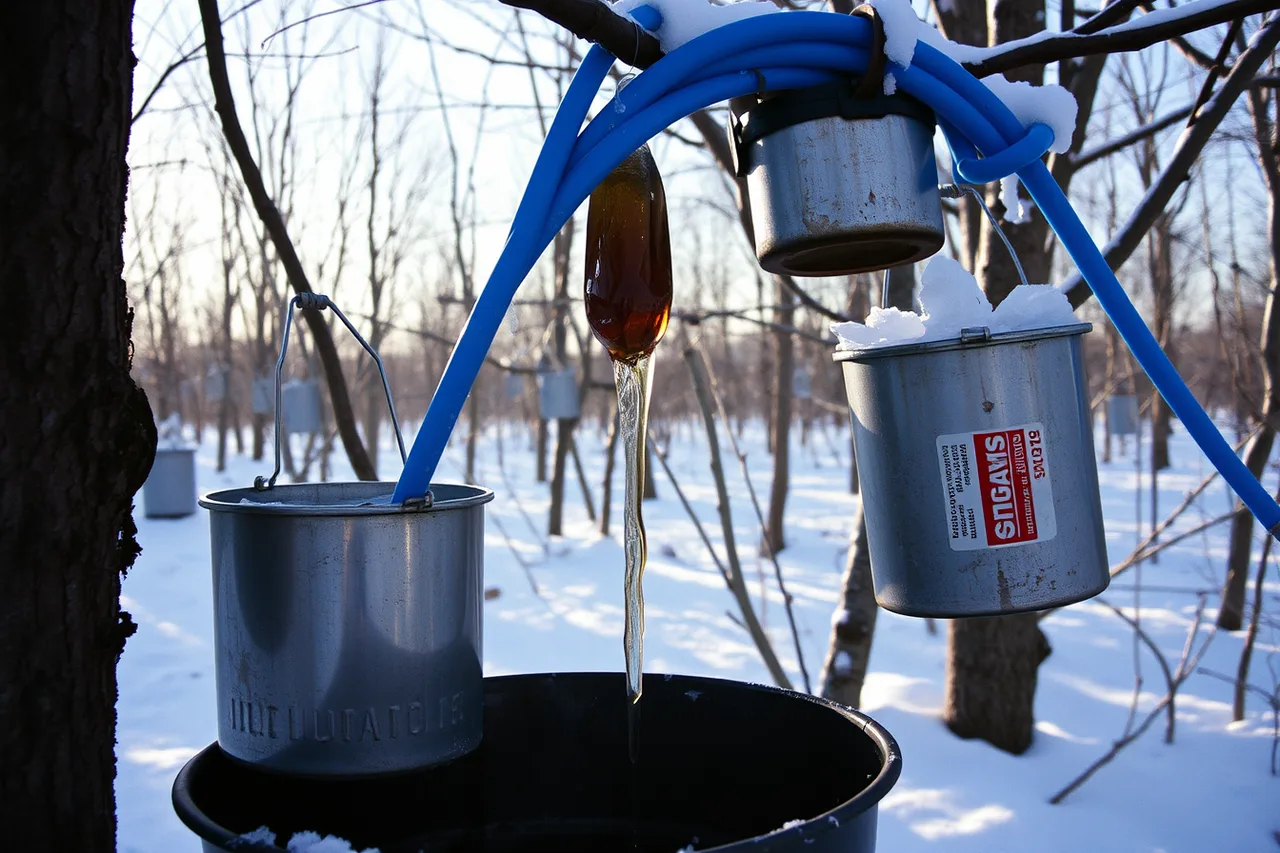
The sap itself is thin and lightly sweet. Left in a clean vessel with the right conditions, it can ferment into a mildly sweet, slightly tart drink. Some producers take it further and ferment maple syrup diluted back to sap strength.
The appeal is timing. Nothing else in Quebec ferments in March. Maple gives you a project when the garden is still frozen and the cellar is emptying.
The method is short. Collect clean sap and chill it the same day. Ferment it in a food-grade bucket or a glass carboy under an airlock, with headspace for foam.
You can let the wild yeast work, or pitch a neutral wine or beer yeast for a repeatable result. Hold it at 15 to 20 C and taste daily. Most batches turn lightly tart and fizzy in three to seven days. Salt plays no part; add it only if you plan to keep the drink for weeks.
It also teaches restraint. Sap spoils quickly, so you work in small lots and keep everything clean. That discipline carries over to everything else you ferment later in the year.
The second custom is sourcing by season rather than by shopping list. That habit decides what you ferment and when, and the sourcing section below works through the calendar.
The provincial agriculture, environment and natural resources pages are a useful reference for how food and agri rules are organised here.
Named Montreal fermentation suppliers and what they stock
Montreal has a small but real cluster of shops and suppliers serving home fermenters. The list below names the shops and covers what each is actually good for.
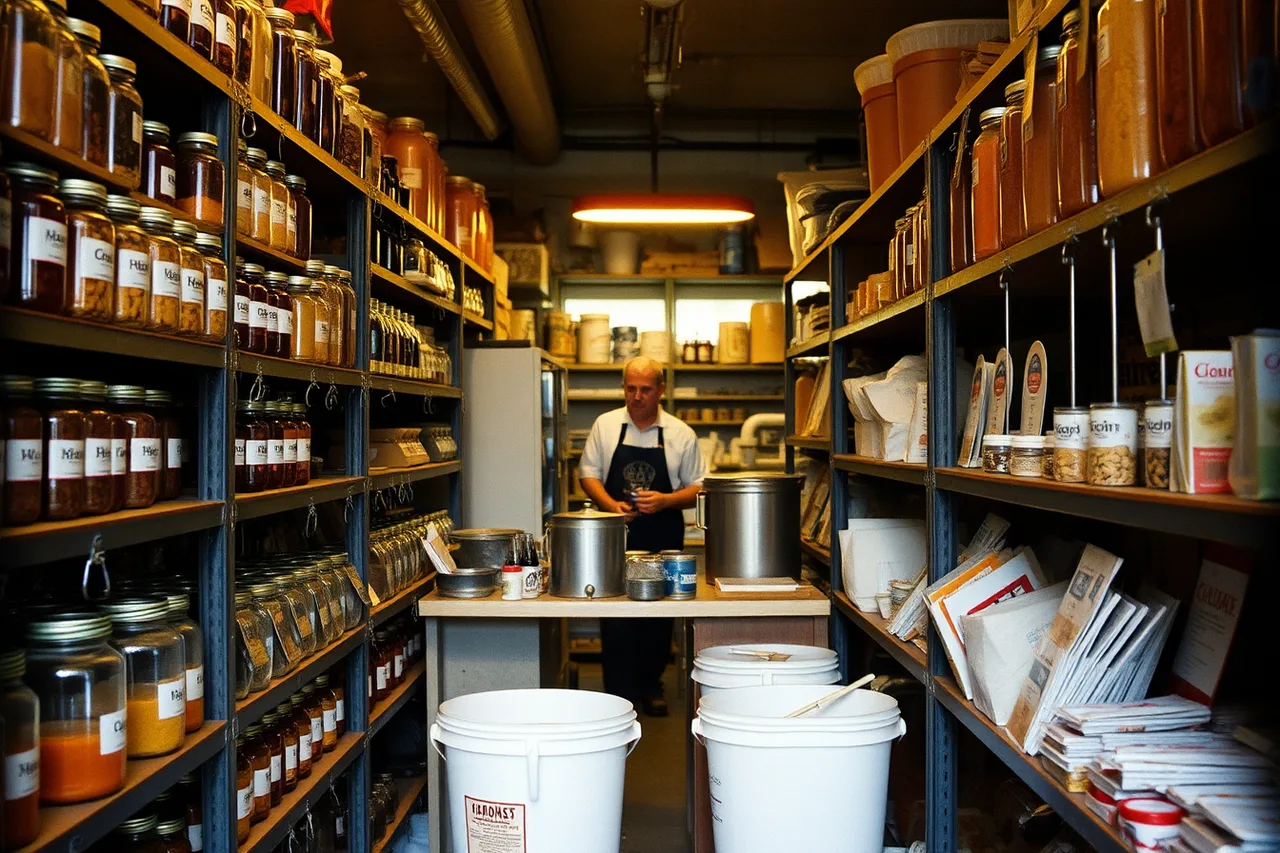
Named Montreal fermentation suppliers
| Supplier | Where | What it stocks |
|---|---|---|
| Mouton Noir | Montreal | Airlocks, jars, cultures, brewing and fermenting gear |
| La Shop à Vins | Montreal | Wine and cider kits, yeast, additives, bottling equipment |
| Cuisine et Cie | Montreal | Crocks, canning jars, lids, salt, preserving tools |
| Quincaillerie Dante | Montreal | Kitchen scales, funnels, knives, cookware |
| Marché Jean-Talon vendors | Little Italy | Seasonal produce, garlic, cabbage, peppers, herbs |
| Lufa Farms | Montreal | Greenhouse produce, add-on boxes, pickup points |
Mouton Noir is the closest thing to a dedicated fermentation shop in the city, and it is where many people start. Staff there will talk through airlocks, sanitising and what a culture actually needs.
La Shop à Vins serves the drink side: wine, cider and related ferments. If your interest runs toward beverages rather than vegetables, this is the more useful stop.
Cuisine et Cie and similar kitchenware shops cover the preserving basics. Crocks, weights and canning jars are ordinary household goods here, which keeps prices reasonable.
Quincaillerie Dante in Little Italy is the kitchenware and hardware stop for scales, funnels and tools. Lufa Farms runs a greenhouse operation with pickup points across the island and add-on boxes, which covers part of the winter gap.
Typical Montreal prices run as follows. An airlock or a drilled stopper runs about CAD 4 to 10. A 5 to 10 litre water-seal crock is the big purchase, usually CAD 80 to 160. Coarse pickling salt costs roughly CAD 5 to 12 per kilogram, and jars are the cheapest item on the list.
Vessel size, the water gutter and the lid type decide where in that range you land.
Produce is the other half of the shopping list, and market vendors at Jean-Talon and Atwater will sell by the case in season. Ask what is coming in cheap that week.
For buckets, scales and funnels, start with the shops listed above; they stock fermenting-grade vessels and will say which plastics are food safe. Buy the specialised pieces where they matter.
Before committing to a large order, a fermentation projects checklist helps you separate what you will use weekly from what will sit in a cupboard.
Workshops and classes where the technique is taught
Montreal fermentation workshops range from one evening introductions to multi-session courses. They are the fastest way to learn the parts a recipe cannot explain: smell, texture and when to stop.
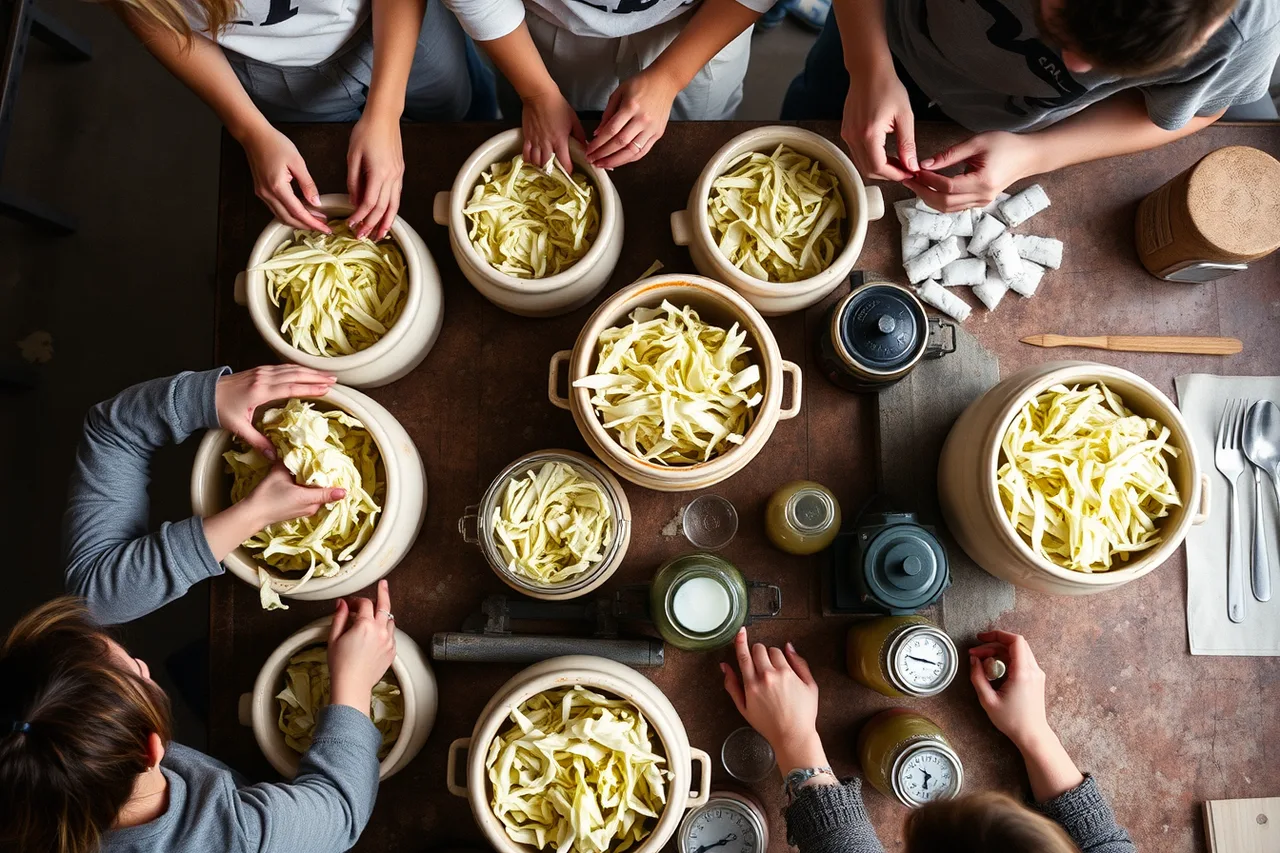
A typical beginner session covers salt ratios, vessel choice, weighting, temperature and how to tell a healthy ferment from a spoiled one. You leave with a jar and a set of habits.
Three places to look first. The ITHQ, the provincial hotel and tourism school in Montreal, runs short culinary courses and continuing education; check the current catalog for preservation modules. Mouton Noir and other fermenting shops run occasional in-store sessions.
Montreal's borough recreation centres and the Maisons de la culture network program low-cost food workshops each season. Check your borough listing. Fees vary by provider and length, and a single evening session is usually the cheapest way to start.
Many classes are taught in French, some bilingually, and a few in English only, so confirm the language before booking.
Hands-on classes are better than demonstrations if you are new. Handling the vegetable, packing the vessel and tasting at intervals builds judgement that reading cannot.
For anyone moving past the basics, Vegetable ferment ideas that stay inside tested directions are easier to follow once a class has shown you the underlying method.
If you cannot find a class that fits, a shop that sells cultures and vessels is the next best source of advice. Ask what other customers are making this month.
Sourcing seasonal produce around Montreal's growing season
Quebec's growing season is short and intense. Field produce shows up roughly from late spring through early autumn, and the best fermenting happens in that window.
Late summer is the peak. Cabbage, cucumbers, peppers, tomatoes, beans and corn all arrive at once, and prices drop accordingly. That is when a serious fermenter buys by the crate.
Case prices move by week and variety. A 10 to 20 kilogram case of cabbage or tomatoes at Jean-Talon or Atwater typically runs CAD 20 to 40 in peak season.
Early season is lighter: asparagus, radishes, greens and herbs. These ferment quickly and are best eaten young, so make small batches rather than stocking up.
Autumn shifts to storage crops. Root vegetables, squash and cabbage keep well and ferment well into winter, which is why sauerkraut and kimchi are the natural Quebec projects.
Winter is for what you stored, plus imported produce and any maple work you froze or bottled earlier. Buying out of season is possible but rarely worth the price.
When you do buy, Buying produce for a single small batch in the right order keeps you from overbuying and wasting a good crate.
- Check what is actually in season this week before writing a shopping list
- Confirm the produce is fresh, firm and free of soft spots
- Ask market vendors for case pricing on the cheapest item
- Match the batch size to your vessels, not to the deal
- Record the date, salt ratio and temperature for each batch
How Quebec business registration applies to a small fermentation operation
Selling fermented food in Quebec means registering a business, and the rules apply even at small scale. A market stall, a CSA add-on or an online shop all count.
The provincial businesses and self-employed workers portal is the starting point for anyone formalising a food enterprise, and it explains the main structures available. Registration is not optional once money changes hands regularly.
The official start an enterprise guide walks through the steps: choosing a legal form, registering the name, and understanding the obligations that follow. Read it before you sign a lease or a market contract.
Food rules sit alongside business rules. Fermented and preserved foods sold to the public fall under provincial and federal requirements, and the agriculture pages set out how food and agri matters are regulated here.
Once registered, your business appears in the enterprise register, and customers, markets and retailers can verify you. Find an enterprise in the register is also how you check a supplier is legitimately licensed before buying wholesale.
Tax follows registration. Small food businesses deal with the Canada Revenue Agency for GST and QST obligations, and it is worth understanding thresholds before your first invoice.
Entering the enterprise register carries a one-time fee, typically CAD 40 to 60. The amount depends on your legal form and whether you file online or on paper.
GST and QST registration is required once taxable sales pass CAD 30,000 over four consecutive calendar quarters. Below that you are a small supplier and may register voluntarily.
Food safety obligations matter as much as paperwork. Federal rules under the Safe Food for Canadians Act apply to some products, while provincial health authorities handle much of the retail and food-service side.
Budgets are usually tighter than expected. Fermenting in small volumes and selling locally keeps overhead low, and pairing products sensibly makes the business easier to run, as these notes on home fermentation pairings suggest.
What the tradition teaches that a recipe does not
Five lessons come out of Quebec preserving practice, and none of them fit neatly into a recipe card.
What the tradition teaches
- Work with the season you have, not the one you want. Quebec gives you a narrow window, and the tradition is built around using it fully.
- Trust your senses over the clock. Smell, texture and taste tell you more about a ferment than a stated number of days.
- Keep batches small when the ingredient is precious. Maple sap and early greens both punish overconfidence.
- Store for winter deliberately. Preserving is a plan for the cold months, not a weekend experiment.
- Register and sell properly if money is involved. The tradition includes commerce, and Quebec expects it to be declared.
A worked example shows how this fits together. Suppose you want to sell sauerkraut at a Montreal market next autumn.
You would source cabbage by the crate in September from a market vendor, ferment it in food-grade buckets with weighed salt, and jar it once it tastes right. You would register the business, check the food rules that apply, and confirm your labels meet requirements.
None of those steps come from a recipe. They come from a preserving culture that has been doing this for generations, and from a province that expects small food businesses to follow the same rules as large ones.