Reviews
Reading a home fermentation by its bubbles, smell, and the moment to stop
Home fermentation tasting: the sensory checkpoints that tell you a vegetable ferment is working, plus the signs that mean stop and start again.

Archive
Reviews
Home fermentation tasting: the sensory checkpoints that tell you a vegetable ferment is working, plus the signs that mean stop and start again.
Guides
How to sequence fermentation projects across a year so each one teaches something, starting from the two vegetable ferments with research-tested home directions.
Reviews
Fermentation jars retail shelf guidance for shops stocking canning jars, lids, canners, fermentation weights, and airlock hardware.
Reviews
Which salts and vinegars to shelve, how to advise on pressure and boiling water canners, and the replacement parts, jars, and items to refuse.
Reviews
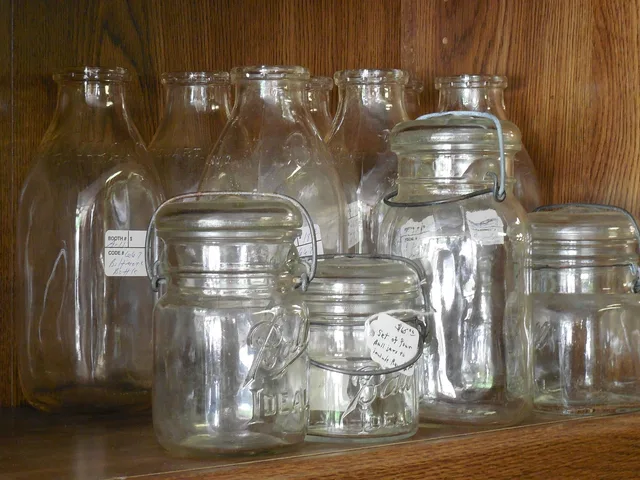
This fermentation jars comparison covers five practical vessel differences: capacity, material, seal design, submersion, and headroom for vegetable ferments.
Industry
Five details from no-brand origin stories that home fermenters miss, from the 1858 Mason shoulder to the wire bail gasket that cannot be reused.
Industry
For fermentation projects, brands are secondary: find tested recipes from USDA or extension sources, then check salt, temperature, and storage.
Guides
What happens in a jar of kraut, what salt weight and room temperature control, and the exact point where fermenting stops and canning safety rules take over.
Industry
Commercial vegetable fermentation is a controlled sequence of bacteria, not a craft mystery. What small makers actually control, and which parts do not scale down.
Costs
Why the fermentation projects price comparison misleads: salt type, vinegar acidity, a gram scale and a thermometer change results, not price tags.
Industry
Fermentation supplies businesses may need include pH meters, buffers, batch records and testing; home cooks can follow tested recipes and use basic equipment.
Guides
A practical “fermentation jars how to” test: split one cabbage batch among a water-seal crock, a weighted jar under cloth, and a valve-lid jar; taste blind.
Reviews
A practical guide to side by side tastings of vegetable ferments: change one variable, track temperature, taste blind, and judge sourness, salt, texture, and aroma.
Reviews
Leftover brine is a good seasoning and a bad preservative. What you can do with it in the kitchen, and the line you should not cross with it.
Reviews
Home fermentation pairing ideas: heat, salt, and acid decide whether a spoonful of kraut lifts a plate or flattens it. How to serve a live ferment.
Reviews
No brand ranking here, and here is why. A checklist for judging a fermentation starter kit or subscription box against what the tested directions require.
Features
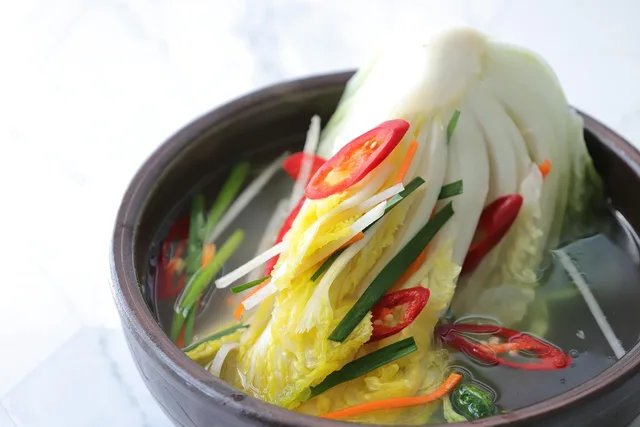
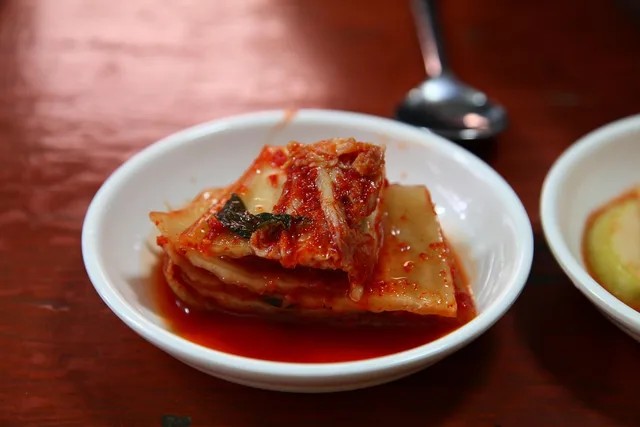
Kimchi as a third vegetable ferment: the OSU Extension salt range and pH, a one to two day room temperature ferment, then cold storage, beside sauerkraut.
Reviews
Soft, dark or slimy kraut traced to its cause: how temperature, salt, trimming and brine level explain a vegetable ferment fault, and which ones mean discard.
Costs
A shopping list built from what the tested directions actually require, separating the jars and lids that carry safety from the accessories that carry margin.
Reviews
Four labels decide whether a batch works. What to check on each one before you pay, and the claims on packaging that carry no weight at all.